

Hey there! As a supplier of Small Concrete Pumps, I often get asked if these little machines are energy - efficient. Well, let's dive right into it and break down the facts.
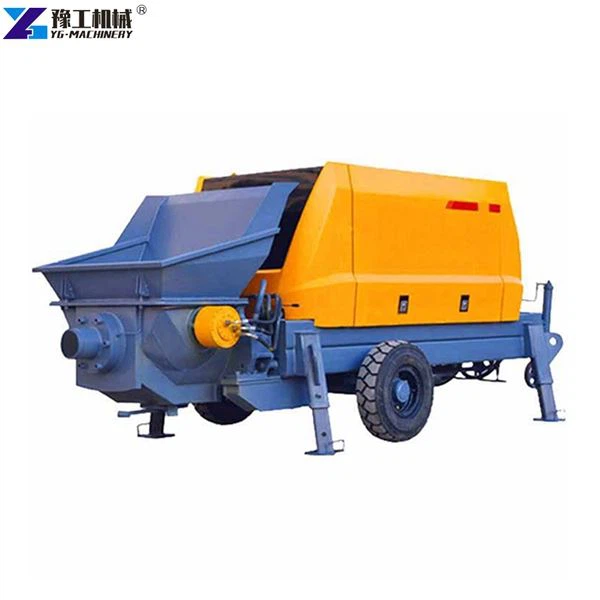
First off, what exactly is a Small Concrete Pump? A Small Concrete Pump, like the ones you can check out here, is designed for smaller - scale construction projects. They're compact, easy to maneuver, and perfect for sites where space is limited. But when it comes to energy efficiency, there are several factors to consider.
One of the main advantages of small concrete pumps in terms of energy use is their size. Compared to larger stationary pumps, they generally have smaller engines or power units. For example, a Stationary Concrete Pump is built for large - scale, long - term projects and usually comes with a more powerful engine to handle the high - volume pumping requirements. On the other hand, a small concrete pump doesn't need as much power to operate. This means it consumes less fuel or electricity during its operation.
Let's talk about fuel consumption. In diesel - powered small concrete pumps, the engine is sized appropriately for the pump's capacity. Since these pumps are used for smaller jobs, they don't have to work as hard as their larger counterparts. A smaller engine burns less diesel, which is not only cost - effective but also better for the environment. For instance, if you're working on a small home renovation project, using a small concrete pump will use significantly less fuel than a big stationary pump that's overkill for the job.
When it comes to electric small concrete pumps, the story is similar. They are designed to draw only the amount of electricity needed to pump the concrete. This is in contrast to larger pumps that may require a large amount of electrical power to start and keep running. The energy efficiency of electric small concrete pumps also depends on the motor's design. Modern small concrete pumps often use high - efficiency motors that convert electrical energy into mechanical energy with minimal losses.
Another aspect to consider is the pumping system itself. Small concrete pumps are engineered to be more precise in their operation. They can control the flow rate of the concrete more accurately. This means that they don't waste energy by over - pumping or under - pumping the concrete. For example, in a small building project, the pump can be adjusted to deliver just the right amount of concrete at the right time, reducing the overall energy consumption.
Now, let's compare small concrete pumps with Diesel Concrete Mixer With Pump. While a diesel concrete mixer with pump combines the functions of mixing and pumping, it also has a more complex power system. The engine has to power both the mixing and pumping operations. In a small concrete pump, the focus is solely on pumping the concrete. This simplicity often translates into better energy efficiency as there are fewer components that require power.
However, it's important to note that the energy efficiency of a small concrete pump also depends on how well it's maintained. Regular maintenance, such as cleaning the filters, checking the hydraulic systems, and tuning the engine, can ensure that the pump operates at its peak efficiency. A poorly maintained pump may consume more energy than necessary due to increased friction and inefficiencies in the system.
In addition, the type of concrete being pumped can also affect energy consumption. If the concrete has a high viscosity or contains large aggregates, the pump has to work harder to move it. This means more energy is required. But even in such cases, a well - designed small concrete pump can still be more energy - efficient than a larger pump because of its optimized power - to - output ratio.
Let's take a look at some real - world examples. A contractor who specializes in small - scale landscaping projects found that using a small concrete pump for his projects reduced his fuel costs by up to 30% compared to using a larger pump on the same jobs. Another contractor who worked on small building extensions reported that the electric small concrete pump he used saved him a significant amount on his electricity bills.
But energy efficiency isn't just about saving money on fuel or electricity. It's also about reducing the carbon footprint. With the increasing focus on environmental sustainability in the construction industry, using energy - efficient equipment like small concrete pumps is a step in the right direction. By consuming less energy, these pumps emit fewer greenhouse gases, contributing to a cleaner and greener construction environment.
So, to answer the question, yes, small concrete pumps are generally energy - efficient. They are designed to meet the needs of small - scale construction projects while using the minimum amount of energy possible. Whether you're a contractor looking to save on costs or an environmentally - conscious builder, a small concrete pump is a great choice.
If you're interested in learning more about our Small Concrete Pumps or have any questions about energy efficiency and how it relates to your specific project, feel free to reach out. We're here to help you make the best decision for your construction needs.
References

- Construction Equipment Handbook: Covers general information on concrete pumps and their energy - related aspects.
- Diesel and Electric Engine Efficiency Studies: Provide data on fuel and electricity consumption in different pump types.
- Industry Reports on Small - Scale Construction Equipment: Offer real - world examples and case studies on small concrete pump usage.


