In the dynamic world of construction and building renovation, the choice of equipment can significantly impact the efficiency, cost - effectiveness, and overall success of a project. One piece of machinery that often comes into question for building renovation tasks is the 1.5 - ton excavator. As a supplier of 1.5 - ton excavators, I've witnessed firsthand the diverse applications and benefits these machines bring to renovation projects. In this blog, we'll explore whether a 1.5 - ton excavator can be used for building renovation, delving into its capabilities, limitations, and real - world applications.
Capabilities of a 1.5 - Ton Excavator
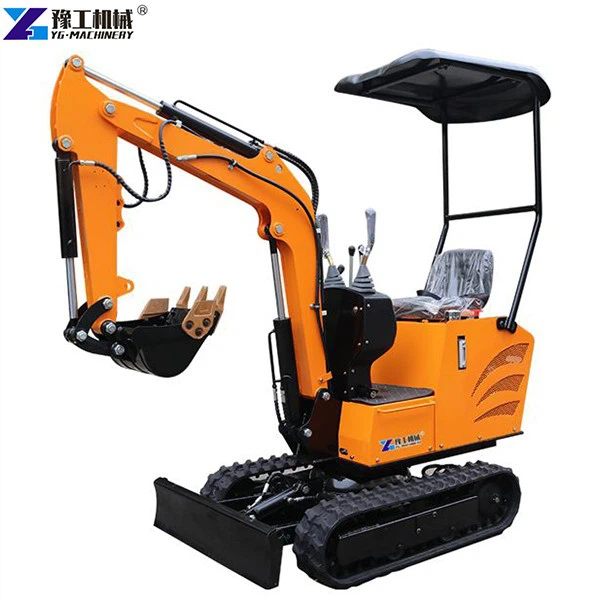
A 1.5 - ton excavator is a compact yet powerful machine designed for a variety of tasks. Its relatively small size allows it to maneuver easily in tight spaces, which is a common requirement in building renovation projects. Unlike larger excavators that may struggle to access confined areas within a building or a crowded urban environment, a 1.5 - ton excavator can navigate through narrow doorways, alleys, and between existing structures.
One of the primary capabilities of a 1.5 - ton excavator is its digging power. Despite its size, it can dig to a reasonable depth, typically up to 2 - 3 meters, depending on the model. This makes it suitable for tasks such as foundation repair, where it can be used to dig around the existing foundation to expose damaged areas for repair or replacement. It can also be used for creating small trenches for utility lines, such as water pipes or electrical cables, during a building renovation.
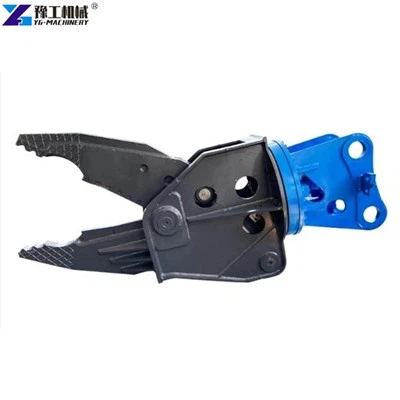
In addition to digging, a 1.5 - ton excavator can be equipped with various attachments to perform different functions. For example, a hydraulic breaker attachment can be used to break up concrete floors, walls, or sidewalks. This is extremely useful in renovation projects where old structures need to be demolished or modified. A grapple attachment can be used to pick up and move debris, such as bricks, stones, or lumber, helping to keep the work area clean and organized.
Real - World Applications in Building Renovation
Let's take a look at some real - world scenarios where a 1.5 - ton excavator can be effectively used in building renovation.
Interior Demolition
In a large commercial building renovation, the interior may need to be completely gutted. A 1.5 - ton excavator can be used to break down non - load - bearing walls, remove old flooring, and clear out debris. Its compact size allows it to work efficiently within the building's interior, minimizing the disruption to the surrounding areas. For instance, in an office building renovation, the excavator can be used to remove partitions and old carpeting, making way for new construction.
Backyard and Garden Renovation
When renovating a residential property, the backyard or garden area may also require some work. A 1.5 - ton excavator can be used to dig a new swimming pool, create a retaining wall, or level the ground for a new patio. Its relatively quiet operation compared to larger machines makes it suitable for use in residential areas without causing excessive noise pollution.

Utility Installation
During a building renovation, new utility lines may need to be installed. A 1.5 - ton excavator can dig trenches for water, sewer, or electrical lines quickly and accurately. This ensures that the utility installation process is efficient and reduces the risk of damage to existing structures. For example, in a renovation of an old apartment building, the excavator can be used to dig trenches for new water pipes to replace the aging ones.
Limitations of a 1.5 - Ton Excavator
While a 1.5 - ton excavator has many advantages for building renovation, it also has some limitations.
Lifting Capacity
Compared to larger excavators, a 1.5 - ton excavator has a relatively limited lifting capacity. This means that it may not be suitable for lifting and moving large and heavy objects, such as large steel beams or pre - cast concrete panels. In a renovation project where heavy lifting is required, a larger crane or a more powerful excavator may be needed.
Depth and Reach
Although it can dig to a reasonable depth, a 1.5 - ton excavator may not be able to reach the same depths as larger models. In some cases, where deep foundations need to be dug or large - scale earthmoving is required, a larger excavator may be more appropriate.
Comparison with Other Equipment
When considering using a 1.5 - ton excavator for building renovation, it's important to compare it with other types of equipment.
1.2 Tonne Excavator
A 1.2 Tonne Excavator is even more compact than a 1.5 - ton excavator. It offers greater maneuverability in extremely tight spaces, but it has less digging power and lifting capacity. If the renovation project involves working in very confined areas with minimal digging requirements, a 1.2 - tonne excavator may be a better choice. However, for projects that require more substantial digging and some lifting, a 1.5 - ton excavator is likely to be more suitable.
Electric Mini Digger
An Electric Mini Digger is an environmentally friendly alternative. It produces zero emissions and is quieter than diesel - powered excavators. This makes it ideal for indoor renovation projects or areas with strict environmental regulations. However, electric mini diggers may have limited battery life, which can be a drawback for longer - duration projects. A 1.5 - ton excavator, typically powered by diesel, offers more continuous operation time and greater power for heavy - duty tasks.
Cost - Effectiveness
From a cost - effectiveness perspective, a 1.5 - ton excavator can be a great choice for building renovation. Its initial purchase price is relatively lower compared to larger excavators, and it also consumes less fuel. Additionally, its versatility means that it can perform multiple tasks, reducing the need to rent or purchase additional equipment. For small to medium - sized building renovation projects, a 1.5 - ton excavator can provide a good balance between cost and performance.
Conclusion
In conclusion, a 1.5 Ton Excavator can indeed be used for building renovation. Its compact size, digging power, and ability to use various attachments make it suitable for a wide range of tasks, from interior demolition to utility installation. While it has some limitations, such as limited lifting capacity and depth, these can often be managed by careful planning and, if necessary, by using additional equipment in combination.
If you're planning a building renovation project and are considering the use of a 1.5 - ton excavator, I encourage you to reach out to discuss your specific needs. As a supplier, I can provide detailed information about the models we offer, their features, and how they can best fit your project requirements. We're committed to helping you make the right equipment choice for a successful and cost - effective building renovation.
References
- Construction Equipment Handbook, 5th Edition
- Journal of Construction Engineering and Management, various issues on equipment selection for renovation projects
- Manufacturer's specifications for 1.5 - ton excavators