Car dismantling is a complex process that involves various steps and techniques to ensure the safe and efficient removal of different components from end-of-life vehicles. One crucial aspect of this process is the removal of glass components, which requires specific tools and methods to avoid damage and ensure the safety of the workers. As a car dismantling supplier, I have gained extensive experience in this field and would like to share some insights on how glass components are removed during car dismantling.
Initial Inspection and Assessment
Before starting the glass removal process, a thorough inspection of the vehicle is necessary. This includes checking the condition of the glass, identifying any cracks or damage that could affect the removal process, and assessing the type of glass used in the vehicle. Different types of glass, such as laminated glass and tempered glass, require different removal techniques.
Laminated glass is commonly used in windshields and consists of two layers of glass with a layer of polyvinyl butyral (PVB) in between. This type of glass is designed to hold together even when broken, reducing the risk of injury from flying glass shards. Tempered glass, on the other hand, is used in side and rear windows and is designed to shatter into small, blunt pieces when broken, also minimizing the risk of injury.
Tools and Equipment
To remove glass components from a car, several specialized tools and equipment are required. These include:
- Glass Cutting Tools: A glass cutter is used to score the glass along the edges, making it easier to break and remove. There are different types of glass cutters available, such as manual cutters and electric cutters, depending on the specific requirements of the job.
- Sledgehammers and Pry Bars: These tools are used to break the glass and pry it loose from the vehicle. However, they need to be used with caution to avoid damaging the surrounding components.
- Vacuum Lifters: Vacuum lifters are used to lift and move large glass panels, such as windshields, safely. They work by creating a vacuum seal between the lifter and the glass, allowing it to be lifted without the risk of dropping or breaking.
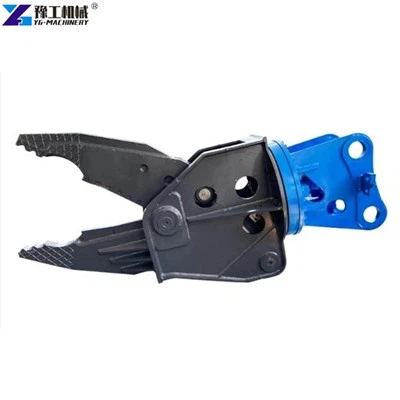
- Hydraulic Shears for Excavator: In some cases, hydraulic shears for excavators can be used to cut through the metal frames holding the glass in place. These powerful tools can make the removal process faster and more efficient, especially for larger vehicles.
- Excavator Magnet Attachment: An excavator magnet attachment can be used to remove any metal debris or components that may be attached to the glass during the removal process. This helps to ensure a clean and safe working environment.
Removal Process
The glass removal process typically involves the following steps:
- Prepare the Vehicle: The first step is to prepare the vehicle for glass removal. This includes removing any interior trim or components that may be in the way, such as door panels, headliners, and sun visors. It is also important to disconnect any electrical connections or sensors that may be attached to the glass.
- Score the Glass: Using a glass cutter, score the glass along the edges where it meets the vehicle frame. This creates a weak point in the glass, making it easier to break and remove.
- Break the Glass: Once the glass has been scored, use a sledgehammer or pry bar to break the glass along the scored line. Start at one corner and work your way around the glass, applying gentle pressure to avoid shattering the glass into small pieces.
- Remove the Glass: After the glass has been broken, use a pry bar or vacuum lifter to remove the glass from the vehicle. Be careful not to damage the surrounding components or the vehicle frame.
- Clean the Area: Once the glass has been removed, clean the area where the glass was located to remove any remaining glass shards or debris. This helps to prevent injury to the workers and ensures a safe working environment.
Safety Precautions
Removing glass components from a car can be a dangerous task, and it is important to take the necessary safety precautions to protect the workers and the environment. Some of the safety precautions that should be taken include:


- Wear Protective Gear: Workers should wear appropriate protective gear, such as safety glasses, gloves, and safety shoes, to protect themselves from flying glass shards and other hazards.
- Use Proper Tools and Equipment: Make sure to use the right tools and equipment for the job and follow the manufacturer's instructions carefully.
- Work in a Well-Ventilated Area: Glass removal can produce dust and fumes, so it is important to work in a well-ventilated area to avoid inhaling these harmful substances.
- Dispose of Glass Properly: Glass should be disposed of properly to prevent environmental pollution. It can be recycled or sent to a landfill, depending on the local regulations.
Recycling and Reuse
One of the benefits of car dismantling is the ability to recycle and reuse various components, including glass. Glass can be recycled into new glass products, such as bottles and jars, or used in other applications, such as insulation and road construction. Recycling glass helps to conserve natural resources and reduce energy consumption, making it an environmentally friendly option.
Conclusion
Removing glass components from a car during the dismantling process requires specific tools, techniques, and safety precautions. As a car dismantling supplier, I understand the importance of ensuring the safe and efficient removal of glass components to protect the workers and the environment. By using the right tools and following the proper procedures, we can minimize the risk of damage and ensure a high-quality dismantling process.
If you are interested in learning more about our car dismantling services or have any questions about glass removal, please feel free to contact us for a consultation. We are committed to providing our customers with the best possible service and solutions for their car dismantling needs.
References
- "Car Dismantling Manual." National Highway Traffic Safety Administration.
- "Glass Recycling: A Guide to Recycling Glass." Environmental Protection Agency.