

Hey there! As a supplier of pedestrian rollers, I often get asked about how to adjust the pressure of these nifty machines. It's a crucial aspect, especially if you want to ensure that your road - rolling tasks are done efficiently and effectively. In this blog, I'll walk you through the ins and outs of adjusting the pressure of a pedestrian roller.
First off, let's understand why pressure adjustment matters. Different road surfaces and materials require different levels of pressure for proper compaction. For instance, when you're working on a soft soil base, you might need a lower pressure initially to avoid over - compacting and causing unevenness. On the other hand, when dealing with asphalt or a more robust surface, a higher pressure is usually necessary to achieve the desired compaction density.
Understanding Your Pedestrian Roller
Before you start adjusting the pressure, it's essential to know your machine inside out. Most pedestrian rollers come with a pressure adjustment mechanism, which can vary depending on the model. Some rollers use hydraulic systems, while others might have mechanical controls.
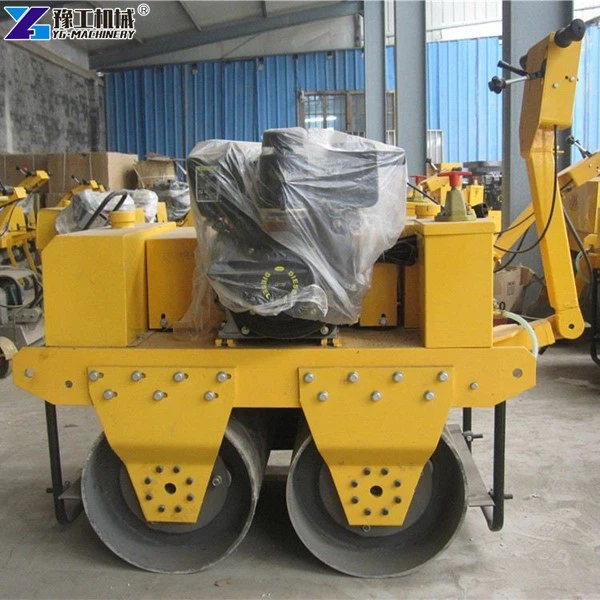

Let's take a look at the common types of pedestrian rollers that we supply. We have the Small Pavement Roller, which is great for small - scale paving projects like sidewalks and driveways. The Single Drum Road Roller is more suitable for larger road construction projects, providing a good balance between maneuverability and compaction power. And then there's the Mini Tandem Roller, which is ideal for tight spaces and areas where precision is key.
Steps to Adjust the Pressure
Check the Manufacturer's Manual
This is the first and most important step. The manufacturer's manual provides detailed information about the pressure adjustment range and the specific procedure for your roller model. It will tell you things like the maximum and minimum pressure settings, and any safety precautions you need to take.
Prepare the Roller
Before making any adjustments, make sure the roller is turned off and parked on a flat, stable surface. You don't want it to move unexpectedly while you're working on it. Also, check the oil levels in the hydraulic system (if applicable) and make sure all the hoses are in good condition.
Locate the Pressure Adjustment Mechanism
As I mentioned earlier, this can vary. In hydraulic - based rollers, you'll usually find a pressure control valve. This valve can be adjusted using a wrench or a specialized tool. Mechanical rollers might have a screw or a lever that you can turn to change the pressure.
Make Small Adjustments
Don't go all in and make large adjustments at once. Start by making small changes and then test the compaction on a small area. You can use a density gauge to measure the compaction level. If the compaction is too low, increase the pressure slightly. If it's too high, decrease it.
Test and Repeat
After each adjustment, test the roller on the surface you're working on. Walk the roller over the test area a few times and then check the compaction. Keep making small adjustments until you achieve the desired compaction level.
Factors Affecting Pressure Adjustment
Surface Material
As I said before, different materials require different pressures. Soft soils need less pressure, while hard - packed materials or asphalt need more. For example, if you're working on a gravel road, you might start with a lower pressure and gradually increase it as the gravel compacts.
Roller Speed
The speed at which the roller moves also affects the compaction. A slower speed generally allows for better compaction because the roller has more time to apply pressure to the surface. So, when adjusting the pressure, you also need to consider the speed at which you'll be operating the roller.
Temperature
Temperature can have a significant impact on the compaction process, especially when working with asphalt. In hot weather, asphalt is more malleable, and you might need to adjust the pressure accordingly. In cold weather, it's harder, and you may need to increase the pressure.
Troubleshooting Pressure Adjustment Issues
Sometimes, you might run into problems when adjusting the pressure. Here are some common issues and how to fix them:
No Pressure Change
If you're making adjustments but the pressure isn't changing, it could be due to a clogged valve or a hydraulic leak. Check the valves for any debris and make sure the hydraulic hoses are properly connected. If you suspect a leak, look for signs of oil on the ground or around the hoses.
Inconsistent Pressure
Inconsistent pressure can be caused by a faulty pressure control valve or a problem with the roller's engine. Check the valve for proper operation and make sure the engine is running smoothly.
Maintenance for Optimal Pressure Adjustment
Regular maintenance is key to ensuring that your roller's pressure adjustment system works properly. Here are some maintenance tips:
Clean the Pressure Control Components
Over time, dirt and debris can accumulate on the pressure control valve and other components. Clean them regularly to prevent clogging.
Check the Hydraulic Fluid
If your roller has a hydraulic system, check the hydraulic fluid level and quality regularly. Replace the fluid if it's dirty or low.
Inspect the Roller's Drum
The drum of the roller can also affect the pressure distribution. Make sure the drum is clean and free of any damage. If there are any dents or scratches, it can cause uneven pressure on the surface.
In conclusion, adjusting the pressure of a pedestrian roller is a crucial skill for anyone involved in road construction or paving projects. By following the steps I've outlined in this blog, understanding the factors that affect pressure adjustment, and performing regular maintenance, you can ensure that your roller operates at its best.
If you're in the market for a pedestrian roller or have any questions about pressure adjustment or our products, don't hesitate to reach out. We're here to help you make the right choice and get the most out of your equipment.
References
- Construction Equipment Handbook
- Manufacturer's Manuals for Pedestrian Rollers


