How to Choose the Right 1.5 Ton Excavator?
When it comes to earth - moving and construction projects, a 1.5 - ton excavator can be a game - changer. As a supplier of 1.5 Ton Excavator, I've seen firsthand the diverse needs of customers and the importance of making the right choice. In this blog, I'll share some key factors to consider when selecting a 1.5 - ton excavator.
Project Requirements
The first step in choosing the right 1.5 - ton excavator is to assess your project requirements. Different projects demand different capabilities from the excavator.
If you're working on a small - scale landscaping project, such as digging small trenches for irrigation systems or creating flower beds, a Mini Garden Digger might be sufficient. These machines are highly maneuverable and can easily access tight spaces. They are also relatively quiet, which is an advantage if you're working in a residential area.
On the other hand, if you're involved in more heavy - duty construction projects, like building foundations or demolishing small structures, you'll need an excavator with more power and durability. A 1.5 - ton excavator with a strong engine and robust hydraulic system will be better suited for such tasks. Consider the depth and width of the digging required. Some projects may need deep digging, while others may involve more horizontal movement and trenching.
Engine Power and Efficiency
The engine is the heart of any excavator. When choosing a 1.5 - ton excavator, pay close attention to the engine's power and efficiency. A more powerful engine will allow the excavator to handle tougher jobs, such as breaking through hard soil or lifting heavier loads. However, a powerful engine also consumes more fuel.
Look for an excavator with an engine that offers a good balance between power and fuel efficiency. Modern engines often come with advanced technologies, such as electronic fuel injection, which can optimize fuel consumption. This not only saves you money on fuel costs but also reduces the environmental impact of your operations.
Another aspect to consider is the engine's reliability. A reliable engine means less downtime for maintenance and repairs. Research the reputation of the engine manufacturer and read reviews from other users to get an idea of how well the engine performs in real - world conditions.
Hydraulic System
The hydraulic system is responsible for the excavator's lifting, digging, and maneuvering capabilities. A high - quality hydraulic system is essential for smooth and efficient operation.
Check the hydraulic pump's flow rate and pressure. A higher flow rate allows for faster movement of the excavator's arms and attachments, while higher pressure provides more lifting and digging force. Look for an excavator with a well - designed hydraulic circuit that minimizes energy losses and ensures consistent performance.
The quality of the hydraulic hoses and fittings is also crucial. Poor - quality hoses can leak hydraulic fluid, which not only creates a mess but can also lead to a loss of power and potential damage to the system. Make sure the hoses are made of high - strength materials and are properly installed.
Maneuverability and Size
One of the main advantages of a 1.5 - ton excavator is its relatively small size and high maneuverability. Consider the space where you'll be operating the excavator. If you're working in a confined area, such as a narrow alley or a crowded construction site, a compact excavator with a short tail swing will be more suitable.
The turning radius of the excavator is an important factor. A smaller turning radius allows the machine to make tight turns, which is useful when working in limited spaces. Additionally, look for an excavator with a low ground pressure design if you'll be working on soft or sensitive surfaces, such as lawns or freshly paved areas.
The excavator's overall length, width, and height also matter. You need to ensure that the machine can be easily transported to and from the job site. If you'll be using a trailer to transport the excavator, make sure it fits within the trailer's dimensions and weight capacity.
Attachments
The versatility of a 1.5 - ton excavator can be greatly enhanced by using different attachments. Common attachments include buckets, breakers, augers, and grapples.
When choosing an excavator, consider the availability and compatibility of attachments. Some excavators are designed to be easily adaptable to different attachments, which means you can use the machine for a wider range of tasks. For example, if you need to break concrete, a breaker attachment can be added to the excavator. If you're planting trees or installing fence posts, an auger attachment will come in handy.
Make sure the attachments are of high quality and are designed to work well with the specific model of the excavator. Check the attachment's weight and power requirements to ensure they are compatible with the excavator's capabilities.
Operator Comfort
The comfort of the operator is often overlooked but is extremely important. A comfortable operator is more productive and less likely to make mistakes.

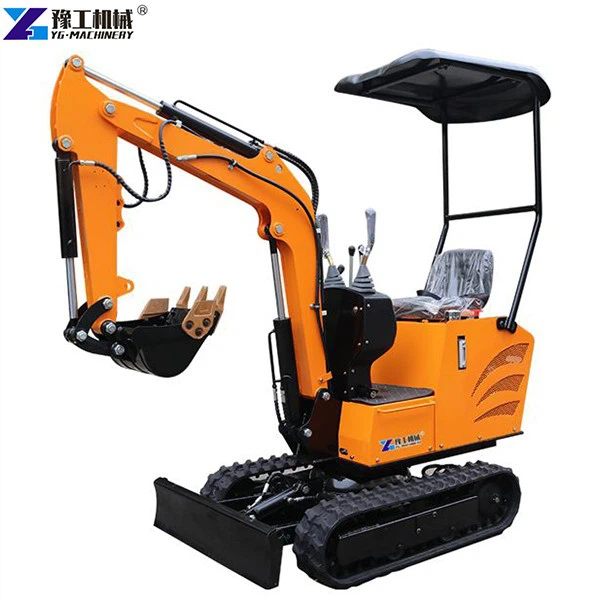
Look for an excavator with a well - designed cab. The cab should have sufficient space for the operator to move around comfortably. It should also be equipped with adjustable seats, steering wheels, and controls to accommodate operators of different sizes.
Good visibility is another crucial factor. The cab should have large windows and mirrors to provide the operator with a clear view of the working area. This helps to improve safety and efficiency, especially when working in busy or complex environments.
Noise and vibration levels in the cab should also be minimized. Excessive noise and vibration can cause fatigue and discomfort for the operator over time. Modern excavators often come with features such as sound - proofing and vibration - damping materials to reduce these issues.
Maintenance and Serviceability
Regular maintenance is essential for keeping your excavator in good working condition. When choosing a 1.5 - ton excavator, consider how easy it is to access the engine, hydraulic system, and other components for maintenance and repairs.
Look for an excavator with easily accessible service points, such as oil filters, air filters, and hydraulic fluid reservoirs. This makes it quicker and easier to perform routine maintenance tasks, which can save you time and money in the long run.
The availability of spare parts is also important. Make sure that the manufacturer or supplier can provide you with a reliable supply of spare parts. This ensures that you can quickly replace any worn - out or damaged parts and keep your excavator up and running.
Additionally, consider the after - sales service offered by the supplier. A good supplier should have a team of trained technicians who can provide prompt and professional maintenance and repair services.
Cost
Cost is, of course, a major factor when choosing a 1.5 - ton excavator. However, it's important to look beyond the initial purchase price. Consider the total cost of ownership, which includes fuel costs, maintenance costs, and the resale value of the excavator.
A cheaper excavator may seem like a good deal at first, but it could end up costing you more in the long run if it has high fuel consumption or requires frequent repairs. On the other hand, a more expensive excavator with better quality and features may offer better value for money over its lifespan.
Compare the prices of different models and brands, but also take into account the features and performance that each excavator offers. Look for a balance between cost and quality to ensure that you're getting the best return on your investment.
In conclusion, choosing the right 1.5 - ton excavator requires careful consideration of your project requirements, engine power, hydraulic system, maneuverability, attachments, operator comfort, maintenance, and cost. As a supplier, I'm here to help you make an informed decision. If you have any questions or need further assistance in selecting the right excavator for your needs, please don't hesitate to contact me. We can discuss your specific requirements in detail and find the perfect 1.5 Ton Excavator for your project.
References
- "Construction Equipment Handbook" - A comprehensive guide to various construction equipment, including excavators.
- Industry reports and studies on excavator performance and reliability.
- User reviews and feedback from online construction equipment forums.