

Transporting a wall cutting machine safely is of utmost importance to ensure its functionality and longevity. As a supplier of wall cutting machines, I understand the challenges and risks associated with the transportation process. In this blog, I will share some valuable insights and practical tips on how to transport a wall cutting machine safely.
Understanding the Types of Wall Cutting Machines
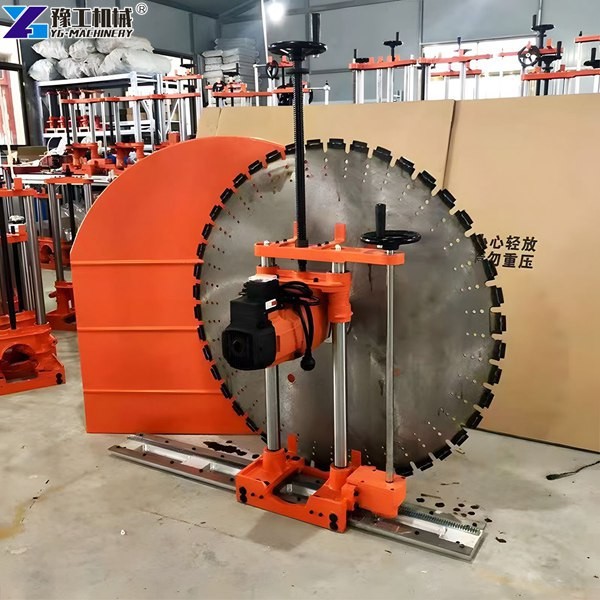
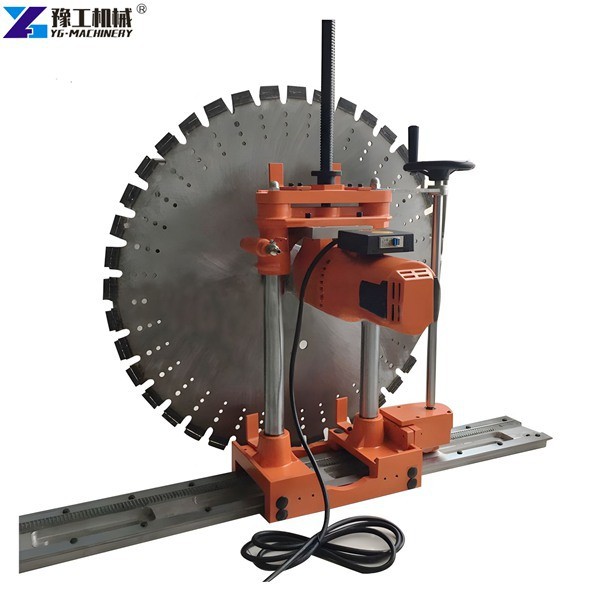
Before delving into the transportation process, it's essential to understand the different types of wall cutting machines available. There are mainly three types: Electric Wall Saw, Hydraulic Concrete Wall Saw, and Concrete Wall Cutting Machine. Each type has its own unique features, weight, and size, which will influence the transportation method.
Electric wall saws are typically lighter and more portable compared to hydraulic ones. They are powered by electricity and are suitable for smaller cutting jobs. Hydraulic concrete wall saws, on the other hand, are more powerful and are designed for heavy-duty cutting in concrete and other hard materials. Concrete wall cutting machines are a general term that can refer to both electric and hydraulic models, depending on their power source and application.
Pre - transportation Preparation
Inspection
Before transporting the wall cutting machine, a thorough inspection is necessary. Check for any visible damage to the machine, such as cracks in the frame, loose parts, or damaged electrical or hydraulic components. Make sure all the blades are properly tightened and in good condition. If any issues are found, repair them before transportation to prevent further damage during transit.
Cleaning
Clean the wall cutting machine to remove any dirt, debris, or concrete dust. This not only helps in maintaining the machine's appearance but also prevents any foreign particles from causing damage during transportation. Use a soft brush and a mild cleaning solution to clean the machine, and dry it thoroughly.
Disassembly (if necessary)
In some cases, it may be necessary to disassemble the wall cutting machine for easier transportation. For example, if the machine is too large to fit in the transportation vehicle, you can remove the blades, the motor, or other detachable parts. However, make sure to keep all the parts organized and label them properly so that they can be easily reassembled later.
Securing Loose Parts
If there are any loose parts that cannot be removed, secure them to prevent them from moving around during transportation. You can use zip ties, duct tape, or other suitable fasteners to keep the parts in place.
Choosing the Right Transportation Method
Small and Lightweight Machines
For small and lightweight electric wall saws, a regular van or a pickup truck may be sufficient for transportation. Make sure to place the machine on a flat surface and secure it with straps or ropes to prevent it from sliding or tipping over during transit. You can also use a padded container or a box to protect the machine from scratches and impacts.
Large and Heavy Machines
For large and heavy hydraulic concrete wall saws or concrete wall cutting machines, a specialized transport vehicle may be required. These vehicles are designed to carry heavy loads and have features such as shock - absorbing suspension and tie - down points. When using a specialized transport vehicle, make sure the machine is properly loaded and secured according to the vehicle's specifications.
International Transportation
If you are transporting the wall cutting machine internationally, you need to consider additional factors such as customs regulations, shipping documentation, and international shipping laws. It is advisable to work with a professional freight forwarder who has experience in transporting industrial equipment. They can help you with all the necessary paperwork and ensure that your machine is transported safely and legally.
Loading and Unloading
Loading
When loading the wall cutting machine onto the transportation vehicle, use proper lifting equipment such as a forklift or a crane. Make sure the lifting equipment is capable of handling the weight of the machine. Lift the machine carefully and place it on the vehicle in a stable position. Secure the machine to the vehicle using straps or chains to prevent it from moving during transit.
Unloading
Unloading the wall cutting machine should be done with the same level of care as loading. Use the appropriate lifting equipment and follow the same safety procedures. Make sure the area where the machine will be unloaded is clear of any obstacles and is stable enough to support the weight of the machine.
Protection During Transportation
Padding
To protect the wall cutting machine from impacts and vibrations during transportation, use padding materials such as foam, rubber mats, or bubble wrap. Place the padding around the machine, especially on the corners and edges, to absorb any shocks.
Weather Protection
If the transportation is taking place outdoors or in adverse weather conditions, protect the machine from rain, snow, and extreme temperatures. You can use a waterproof cover or a tarp to shield the machine from the elements.
Monitoring During Transportation
If possible, monitor the transportation of the wall cutting machine. You can use GPS tracking devices to keep track of the vehicle's location and ensure that it is following the planned route. In case of any unexpected delays or issues, you can take appropriate actions in a timely manner.
Conclusion
Transporting a wall cutting machine safely requires careful planning, proper preparation, and the use of appropriate transportation methods. By following the tips and guidelines outlined in this blog, you can minimize the risk of damage to the machine during transportation. As a wall cutting machine supplier, I am committed to providing high - quality products and ensuring that they reach our customers in perfect condition. If you are interested in purchasing a wall cutting machine or have any questions about transportation, please feel free to contact us for further discussion and negotiation.
References
- Construction Equipment Handbook
- Manufacturers' manuals for wall cutting machines


