

As a supplier of small concrete pumps, I understand the importance of proper maintenance to ensure the longevity and efficient operation of these essential construction machines. Small concrete pumps are widely used in various construction projects, from small residential buildings to large - scale infrastructure developments. In this blog, I will discuss the key maintenance requirements for a small concrete pump.
1. Regular Cleaning
One of the most fundamental maintenance tasks for a small concrete pump is regular cleaning. Concrete is a highly abrasive and sticky material, and if left on the pump's components, it can cause significant damage over time.
After each use, the hopper, pipes, and pumping system should be thoroughly cleaned. Start by removing as much concrete as possible from the hopper using a shovel or a high - pressure water jet. Then, flush the pipes and the pumping system with clean water. This helps to prevent the build - up of hardened concrete, which can block the pipes and reduce the pump's efficiency.
It is also important to clean the exterior of the pump to prevent corrosion. Dirt, dust, and concrete splashes can accumulate on the pump's surface, and if not removed, they can lead to rusting. Use a mild detergent and a soft brush to clean the exterior, and then rinse it thoroughly with water.
2. Lubrication
Proper lubrication is crucial for the smooth operation of a small concrete pump. All moving parts, such as pistons, cylinders, bearings, and gears, need to be lubricated regularly.

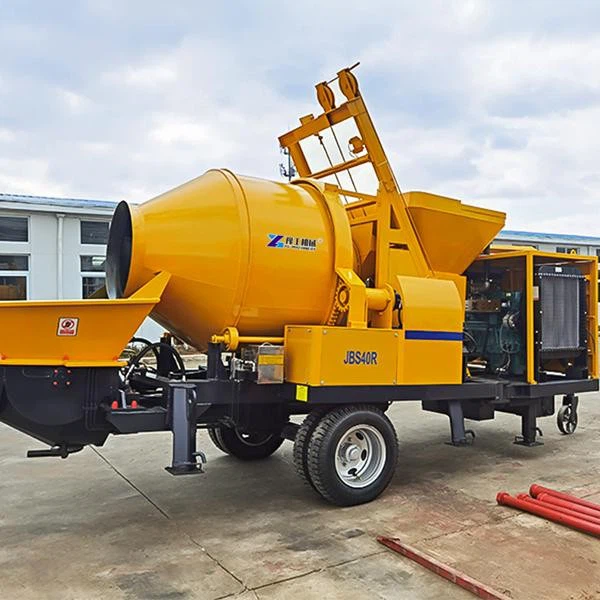
Check the lubricant levels in the pump's hydraulic system, gearbox, and other lubrication points according to the manufacturer's recommendations. Use the recommended type of lubricant for each component. For example, hydraulic oil should have the appropriate viscosity and additives to ensure optimal performance.
Lubrication not only reduces friction and wear but also helps to dissipate heat generated during operation. This extends the lifespan of the components and prevents premature failure.
3. Inspection of Wear Parts
Small concrete pumps have several wear - prone parts that need to be inspected regularly. These include the rubber hoses, concrete pistons, delivery cylinders, and cutting rings.
Rubber hoses can deteriorate over time due to exposure to high - pressure concrete and environmental factors. Check for signs of cracking, abrasion, or leakage in the hoses. Replace any damaged hoses immediately to prevent concrete leakage and potential safety hazards.
Concrete pistons and delivery cylinders are subject to high - pressure and abrasive forces. Inspect them for wear and tear, such as scratches, grooves, or reduced diameter. If the wear exceeds the manufacturer's specified limits, replace these parts to maintain the pump's performance.
Cutting rings are also critical wear parts. They are responsible for sealing the concrete flow between the delivery cylinders and the hopper. Check the cutting rings for wear and proper alignment. A worn - out cutting ring can cause concrete leakage and reduced pumping efficiency.
4. Hydraulic System Maintenance
The hydraulic system is the heart of a small concrete pump, and proper maintenance is essential for its reliable operation.
Regularly check the hydraulic fluid level and its condition. The hydraulic fluid should be clean and free of contaminants, such as dirt, water, or metal particles. If the fluid appears dirty or has an abnormal odor, it should be changed according to the manufacturer's guidelines.
Inspect the hydraulic hoses, fittings, and valves for leaks. A hydraulic leak can not only reduce the pump's performance but also pose a safety risk. Tighten any loose fittings and replace any damaged hoses or valves.
The hydraulic filter also needs to be replaced at regular intervals. A clogged filter can restrict the flow of hydraulic fluid, leading to overheating and reduced efficiency.
5. Electrical System Maintenance
Small concrete pumps often have an electrical system that controls various functions, such as the motor, sensors, and control panels.
Inspect the electrical wiring for any signs of damage, such as fraying, cracking, or loose connections. Damaged wiring can cause electrical malfunctions, which can affect the pump's operation or even pose a fire hazard.
Check the electrical components, such as switches, relays, and sensors, for proper functioning. Test the control panel to ensure that all the functions are working correctly. If any electrical component fails, replace it with a genuine part recommended by the manufacturer.
6. Engine Maintenance (if applicable)
Some small concrete pumps are powered by an engine, such as a diesel engine. Engine maintenance is essential to ensure reliable operation.
Follow the manufacturer's recommended maintenance schedule for the engine, which includes oil changes, filter replacements, and spark plug inspections (for gasoline engines). Check the engine coolant level and the condition of the radiator. Overheating can cause significant damage to the engine.
Inspect the air filter regularly and clean or replace it as needed. A dirty air filter can reduce the engine's power output and increase fuel consumption.
7. Storage
Proper storage is also an important aspect of small concrete pump maintenance, especially during periods of non - use.
Before storing the pump, clean it thoroughly and drain all the water from the pipes and the pumping system to prevent freezing and corrosion. Lubricate all the moving parts to protect them from rust.
Store the pump in a dry, covered area to protect it from the elements. If possible, store the pump on a level surface to prevent any stress on the components.
Importance of Maintenance for Small Concrete Pumps
Regular maintenance of small concrete pumps offers several benefits. Firstly, it ensures the reliability of the pump. A well - maintained pump is less likely to break down during operation, which can save time and money on repairs and downtime.
Secondly, proper maintenance improves the efficiency of the pump. Clean components, proper lubrication, and well - functioning parts allow the pump to operate at its optimal capacity, reducing energy consumption and increasing productivity.
Thirdly, maintenance extends the lifespan of the pump. By replacing wear parts in a timely manner and taking care of the components, you can get more years of service from your small concrete pump.
Conclusion
As a supplier of small concrete pumps, I highly recommend following these maintenance requirements to keep your pump in top - notch condition. Whether you are using a Concrete Mixer Pump, a Stationary Concrete Pump, or a Diesel Concrete Mixer With Pump, proper maintenance is the key to its long - term success.
If you have any questions about small concrete pump maintenance or are interested in purchasing a high - quality small concrete pump, feel free to contact us for a detailed discussion. Our team of experts is ready to assist you in finding the right solution for your construction needs.
References
- Manufacturer's manuals of small concrete pumps
- Industry standards and best practices for concrete pump maintenance


