

Spider lifts are invaluable pieces of equipment in construction sites, offering unparalleled access to hard-to-reach areas with their unique design and maneuverability. As a trusted spider lift supplier, we understand the importance of safety when operating these machines. This blog post will delve into the essential safety precautions that should be taken when using a spider lift in construction sites.
Pre - Operation Safety Checks
Before even starting the spider lift, a series of thorough checks must be carried out. First and foremost, examine the overall condition of the lift. Look for any visible signs of damage, such as cracks in the boom, bent components, or leaks in the hydraulic system. A damaged spider lift can pose a significant risk during operation.
Check the tires or tracks (in the case of Tracked Spider Lift). Ensure that they are properly inflated if they are tires, or that the tracks are in good condition without any signs of excessive wear or damage. Incorrect tire pressure or damaged tracks can affect the stability of the lift.
Inspect the outriggers. These are crucial for providing stability when the lift is in use. Make sure they are fully extended and firmly planted on a stable surface. Any instability in the outriggers can lead to the lift tipping over, which is extremely dangerous.
Verify the functionality of all safety devices. This includes emergency stop buttons, safety sensors, and alarms. These devices are in place to protect the operator and those around the lift in case of an emergency. If any of these safety devices are not working properly, the lift should not be used until they are repaired.
Operator Training and Certification
One of the most important safety precautions is ensuring that the operator is properly trained and certified. Operating a spider lift requires specific skills and knowledge. A trained operator understands how to control the lift, how to position it safely, and how to respond to different situations.
Our company provides comprehensive training programs for operators. These programs cover everything from the basic operation of the lift to advanced safety procedures. We believe that a well - trained operator is the first line of defense in preventing accidents.
Certification is also crucial. It serves as proof that the operator has met the required standards of knowledge and skill. In many regions, it is a legal requirement for operators to be certified to operate a spider lift. As a supplier, we encourage our customers to ensure that their operators are properly certified.
Site Assessment
Before using the spider lift on a construction site, a detailed site assessment should be conducted. This involves evaluating the terrain, the load - bearing capacity of the ground, and any potential hazards in the area.
The terrain of the site can greatly affect the stability of the spider lift. Uneven ground, slopes, or soft soil can make the lift unstable. If the ground is not suitable, measures should be taken to make it stable, such as using stabilizing mats or leveling the ground.
The load - bearing capacity of the ground is also important. The spider lift has a certain weight, and when it is extended and carrying a load, the pressure on the ground increases. If the ground cannot support the weight, it can cause the lift to sink or tip over.
Identify any potential hazards in the area, such as overhead power lines, obstacles, or other construction activities. Overhead power lines are particularly dangerous as they can cause electrocution if the lift comes into contact with them. Adequate clearance should be maintained from power lines at all times.
Load Capacity and Weight Distribution
Every spider lift has a specified load capacity. It is essential that the operator never exceeds this capacity. Overloading the lift can cause structural damage, instability, and even collapse.
When loading the lift, proper weight distribution is also crucial. The load should be evenly distributed on the platform to maintain balance. Uneven weight distribution can cause the lift to tilt, increasing the risk of an accident.
Weather Conditions
Weather conditions can have a significant impact on the safe operation of a spider lift. High winds, rain, snow, or extreme temperatures can all affect the stability and performance of the lift.
In high winds, the lift can become unstable, especially when it is extended to its maximum height. The operator should monitor the wind speed and follow the manufacturer's guidelines regarding the maximum wind speed at which the lift can be safely operated.
Rain and snow can make the ground slippery, reducing the stability of the lift. In such conditions, extra caution should be taken, and the lift may need to be parked in a safe location until the weather improves.
Extreme temperatures can also affect the performance of the lift. Cold temperatures can make the hydraulic fluid thicker, which can affect the operation of the lift. In hot temperatures, the lift may overheat, leading to mechanical problems.
Communication and Signaling
Effective communication is essential when using a spider lift on a construction site. The operator should be in constant communication with those around the lift, such as other workers on the ground or in other parts of the site.
Signaling devices can be used to communicate. For example, hand signals can be used to indicate when the lift is moving, when it is stopping, or when there is a problem. Radio communication can also be used, especially on larger construction sites.
Maintenance and Inspection
Regular maintenance and inspection of the spider lift are vital for safety. A well - maintained lift is less likely to break down or malfunction.
Our company offers maintenance services for the spider lifts we supply. We recommend that our customers follow a regular maintenance schedule, which includes daily, weekly, and monthly checks. These checks can help identify any potential problems before they become serious.
In addition to regular maintenance, periodic inspections by a qualified technician should be carried out. These inspections are more in - depth and can ensure that the lift is in compliance with all safety standards.
Emergency Preparedness
Despite all the safety precautions, emergencies can still happen. It is important to have an emergency preparedness plan in place.
This plan should include procedures for dealing with different types of emergencies, such as a lift malfunction, a fire, or a fall from the lift. The operator should know how to use the emergency stop button and other safety devices in case of an emergency.
There should also be a first - aid kit available on the site, and workers should be trained in basic first - aid procedures.
Conclusion
Safety is of utmost importance when using a spider lift in construction sites. By following these safety precautions, such as pre - operation checks, proper operator training, site assessment, and regular maintenance, the risk of accidents can be significantly reduced.
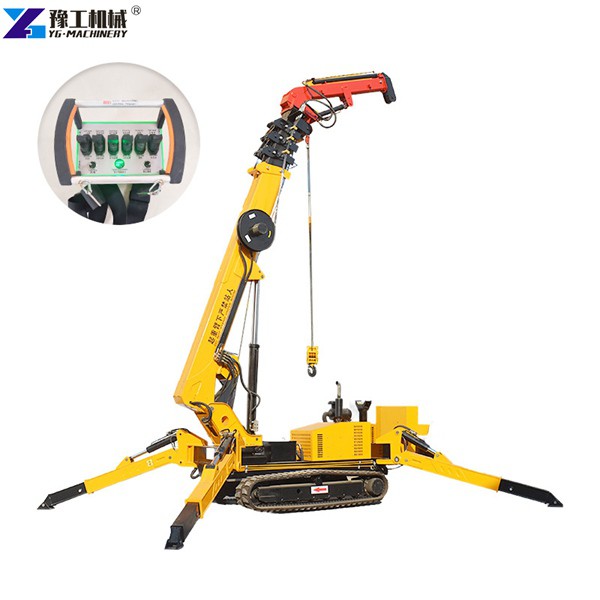

As a spider lift supplier, we are committed to providing high - quality equipment and comprehensive support to our customers. We understand that safety is not just a requirement but a responsibility.
If you are in the market for a spider lift, whether it is a 3 Ton Spider Crane for heavy - duty lifting or a Spider Lift For Tree Work, we have the right solution for you. We invite you to contact us to discuss your specific needs and to learn more about our products and services. Our team of experts is ready to assist you in making the right choice and ensuring that you operate your spider lift safely.
References
- "Spider Lift Operator's Manual" - Manufacturer's documentation provides detailed information on the operation and safety of spider lifts.
- Occupational Safety and Health Administration (OSHA) guidelines on construction equipment safety.
- Industry best practices and standards for spider lift operation.


