

In the construction industry, small concrete pumps play a pivotal role in facilitating efficient and precise concrete placement. As a dedicated supplier of Small Concrete Pumps, I've witnessed firsthand the significance of understanding the various spare parts that keep these machines running smoothly. This blog post aims to delve into the essential spare parts of a small concrete pump, offering insights into their functions, importance, and how they contribute to the overall performance of the equipment.
1. S-Valve (S-Tube)
The S-Valve, also known as the S-Tube, is a critical component in a small concrete pump. It acts as a switch that alternates the flow of concrete between the two pumping cylinders. When one cylinder is pushing concrete out through the delivery pipe, the S-Valve redirects the flow to ensure continuous pumping. Made from high - wear - resistant materials such as chrome alloy, the S - Valve is designed to withstand the abrasive nature of concrete. Over time, the S - Valve can wear down due to the constant friction with the concrete. Regular inspection and timely replacement of a worn S - Valve are crucial to prevent concrete leakage and maintain the pump's efficiency. You can learn more about our small concrete pumps that are equipped with high - quality S - Valves on our Small Concrete Pump page.
2. Concrete Pistons
Concrete pistons are responsible for pushing the concrete from the hopper into the delivery pipe. They are typically made of rubber or polyurethane and are designed to create a tight seal within the pumping cylinders. This seal is essential to prevent concrete from leaking back into the hopper during the pumping process. As the pistons move back and forth, they are exposed to high pressures and the abrasive nature of concrete. This can cause the pistons to wear out over time. Worn pistons can lead to reduced pumping pressure, decreased efficiency, and even damage to other components of the pump. Regularly checking the condition of the concrete pistons and replacing them when necessary is a simple yet effective way to ensure the proper functioning of the small concrete pump.
3. Wear Plates and Cutting Rings
Wear plates and cutting rings are located at the end of the S - Valve and the opening of the pumping cylinders. They work together to form a sealing surface that allows the S - Valve to rotate smoothly while preventing concrete from leaking. These parts are constantly in contact with the flowing concrete, which subjects them to significant wear and tear. High - quality wear plates and cutting rings are made from hardened steel or other wear - resistant materials. When they become worn, the sealing performance is compromised, leading to concrete leakage and reduced pumping efficiency. Replacing these parts in a timely manner can extend the lifespan of the pump and improve its overall performance.
4. Hopper and Agitator
The hopper is where the concrete is loaded into the pump. It is designed to hold a sufficient amount of concrete to ensure continuous pumping. The agitator, located inside the hopper, is responsible for keeping the concrete in a homogeneous state. It prevents the concrete from settling and segregating, which can cause blockages in the pumping system. The agitator consists of blades that rotate, mixing the concrete and ensuring a consistent flow. Regular maintenance of the hopper and agitator, including cleaning and lubrication, is necessary to prevent the accumulation of hardened concrete and ensure proper operation.
5. Hydraulic System Components
The hydraulic system is the power source of the small concrete pump. It includes components such as hydraulic pumps, cylinders, valves, and hoses. The hydraulic pump converts mechanical energy into hydraulic energy, which is then used to drive the pumping cylinders and other moving parts. Hydraulic cylinders are responsible for the linear motion of the pistons and the S - Valve. Valves control the flow and pressure of the hydraulic fluid, while hoses transport the fluid throughout the system. Any malfunction in the hydraulic system can lead to a decrease in pumping performance or even a complete breakdown of the pump. Regular inspection of the hydraulic system, including checking for leaks, proper fluid levels, and the condition of the hoses and valves, is essential for the reliable operation of the small concrete pump.
6. Delivery Pipe and Elbows
The delivery pipe is used to transport the concrete from the pump to the construction site. It comes in various lengths and diameters to suit different pumping requirements. Elbows are used to change the direction of the concrete flow. These pipes and elbows are made of high - strength steel to withstand the high pressure and abrasive nature of the concrete. Over time, the inner surface of the delivery pipe can wear out, especially at the bends and connections. Regular inspection and replacement of worn pipes and elbows are necessary to prevent blockages and ensure a smooth flow of concrete.
7. Electrical System Components
In modern small concrete pumps, the electrical system plays a crucial role in controlling the operation of the pump. It includes components such as motors, sensors, control panels, and wiring. The motor provides the power for the hydraulic pump and other electrical components. Sensors are used to monitor various parameters such as pressure, temperature, and level. The control panel allows the operator to start, stop, and adjust the operation of the pump. Faulty electrical components can lead to erratic operation or even a complete shutdown of the pump. Regular inspection and maintenance of the electrical system, including checking for loose connections, damaged wiring, and proper functioning of the sensors and control panel, are essential for the safe and efficient operation of the pump.
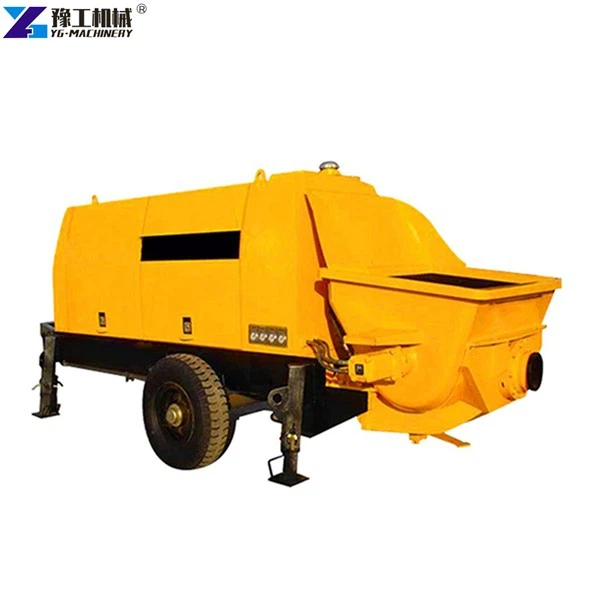

Importance of Genuine Spare Parts
When it comes to replacing spare parts in a small concrete pump, using genuine parts is of utmost importance. Genuine spare parts are designed and manufactured to the exact specifications of the pump, ensuring a perfect fit and optimal performance. They are made from high - quality materials and undergo rigorous testing to meet the highest standards. Using non - genuine parts may seem like a cost - effective option in the short term, but it can lead to premature wear, reduced efficiency, and even damage to the pump. As a supplier, we offer a wide range of genuine spare parts for our small concrete pumps, which you can find on our Small Concrete Pump page.
Conclusion
Understanding the various spare parts of a small concrete pump is essential for its proper maintenance and operation. Each part plays a crucial role in the overall performance of the pump, and regular inspection and replacement of worn parts can extend the lifespan of the equipment and improve its efficiency. Whether you are a construction company, a contractor, or an individual looking for a reliable small concrete pump, having a good understanding of the spare parts will help you make informed decisions.
If you are interested in our small concrete pumps or need to purchase spare parts, we invite you to contact us for a detailed discussion. Our team of experts is ready to assist you in finding the right solutions for your construction needs. We also offer Stationary Concrete Pump and Concrete Mixer Pump options, which you can explore on our website.
References
- Construction Equipment Handbook, various editions
- Manufacturer's manuals for small concrete pumps
- Industry research reports on concrete pumping technology


