

What is the noise level of a shotcrete pump?
As a long - standing shotcrete pump supplier, I often encounter customers who are not only interested in the performance and efficiency of our equipment but also in environmental factors such as noise levels. In this blog, I will delve into the noise levels of shotcrete pumps, exploring what influences them and how to manage them.
Understanding Noise Levels in Shotcrete Pumps
Noise level is typically measured in decibels (dB). The noise produced by a shotcrete pump can vary depending on several factors, including the model, the operating conditions, and the age of the equipment.
Modern shotcrete pumps are engineered to minimize noise as much as possible. On average, a standard shotcrete pump in normal operation might generate noise levels ranging from 70 to 90 dB. However, this is a general range, and it can deviate.
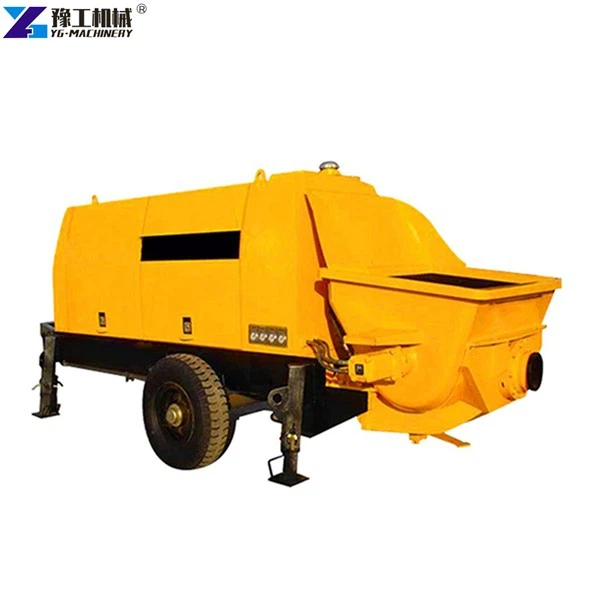
For instance, some small - scale shotcrete pumps may operate at the lower end of this spectrum, around 70 - 75 dB. These Small Concrete Pump are often used in more confined spaces or for smaller projects where noise reduction is a priority. They are designed with compact and efficient engines and components that produce less noise during the pumping process.
On the other hand, larger and more powerful shotcrete pumps, such as Stationary Concrete Pump, which are suitable for large - scale construction projects, can generate noise levels closer to 85 - 90 dB. Their high - volume pumping capacity requires more powerful engines and larger mechanical components, which inevitably produce more noise.
Factors Affecting Noise Levels
1. Engine Type and Power
The engine is the heart of the shotcrete pump, and its type and power play a significant role in determining the noise level. Diesel engines, commonly used in shotcrete pumps, are generally louder than electric motors. Diesel engines operate through a combustion process that produces more vibrations and noise. The power of the engine also matters; a high - powered engine will need to work harder, resulting in increased noise output. For example, a shotcrete pump with a large - displacement diesel engine designed for continuous heavy - duty operation will generate more noise compared to a smaller - powered electric - driven pump.
2. Pumping Mechanism
The pumping mechanism of the shotcrete pump can also contribute to the noise level. Piston pumps, which are widely used in shotcrete pumps, create a rhythmic noise as the pistons move back and forth. The speed and force of the piston movement affect the noise intensity. A pump with a high - speed piston action will produce a louder and more rapid noise compared to a pump with a slower piston speed. Additionally, the quality of the piston and the associated components can impact noise. Worn - out pistons or poorly maintained pumping mechanisms can produce excessive noise due to increased friction and vibration.
3. Operational Conditions
The environmental and operational conditions under which the shotcrete pump is used also influence the noise level. If the pump is placed on an uneven surface, it can cause vibrations and increase noise. Similarly, operating the pump at full capacity for an extended period can lead to higher noise levels as the engine and other components are under more stress. The type of material being pumped can also have an effect. Pumping a thick or abrasive concrete mix requires more power from the pump, which in turn can increase the noise.
Managing and Reducing Noise Levels
As a responsible shotcrete pump supplier, we are committed to providing solutions to help our customers manage and reduce the noise levels associated with our equipment.
1. Sound - Insulated Enclosures
One of the most effective ways to reduce noise is by using sound - insulated enclosures. These enclosures are designed to surround the engine and other noisy components of the shotcrete pump. They are made of materials that absorb and dampen sound waves, reducing the noise that reaches the surrounding environment. We offer optional sound - insulated enclosures for many of our pump models, which can significantly lower the noise levels and make the work environment more comfortable for operators and nearby workers.
2. Maintenance and Upgrades
Regular maintenance is crucial for keeping the noise level of a shotcrete pump in check. By ensuring that all components are properly lubricated, tightened, and in good working condition, we can minimize excessive vibrations and noise. For example, replacing worn - out pistons, belts, or bearings can reduce noise caused by friction and misalignment. Our technical support team provides maintenance guidelines and schedules to our customers, and we also offer upgrade options for older pump models to improve their noise performance.
3. Selection of Suitable Equipment
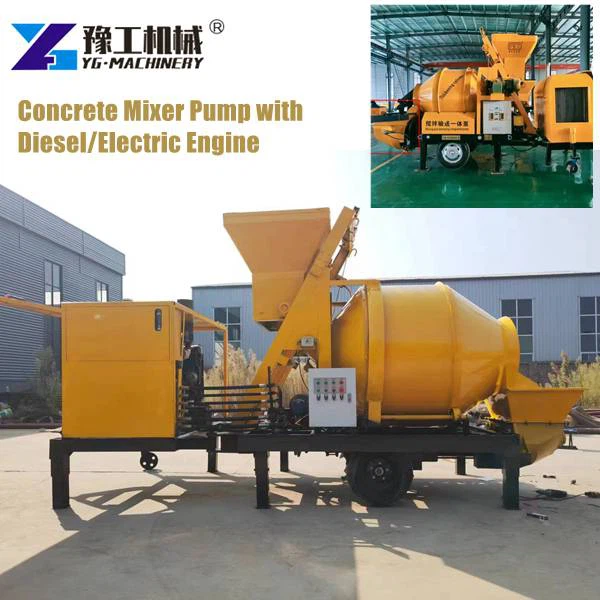
Choosing the right shotcrete pump for the specific project requirements is essential. If noise is a major concern, we might recommend a Concrete Mixer Pump with a lower noise profile, such as an electric - driven model or a smaller - capacity pump. We work closely with our customers to understand their needs and help them select the most appropriate equipment to balance performance and noise reduction.
Importance of Noise Management
Managing the noise level of shotcrete pumps is not just about operator comfort; it also has important implications for compliance with environmental regulations and safety.
Many local and national regulations set limits on the amount of noise that can be generated at construction sites. By ensuring that our shotcrete pumps operate within these noise limits, our customers can avoid fines and potential legal issues. Moreover, excessive noise can have a negative impact on the health of workers. Prolonged exposure to high - level noise can cause hearing loss, stress, and other health problems. By reducing the noise levels of our pumps, we are helping to create a safer and healthier work environment for everyone involved.
In conclusion, understanding the noise level of a shotcrete pump is crucial for both suppliers and customers. As a shotcrete pump supplier, we are constantly working on improving the design and performance of our equipment to reduce noise while maintaining high - quality pumping capabilities. If you are in the market for a shotcrete pump and have concerns about noise levels or any other aspects of our products, please feel free to reach out to us. We are more than happy to discuss your specific requirements, provide detailed information about our models, and guide you through the selection process. Whether you are working on a small - scale renovation or a large - scale commercial construction project, we have the right shotcrete pump solution for you.
References
- "Handbook of Construction Equipment Noise and Vibration Control" by the American Society of Civil Engineers.
- Industry reports on construction equipment noise standards and regulations.


