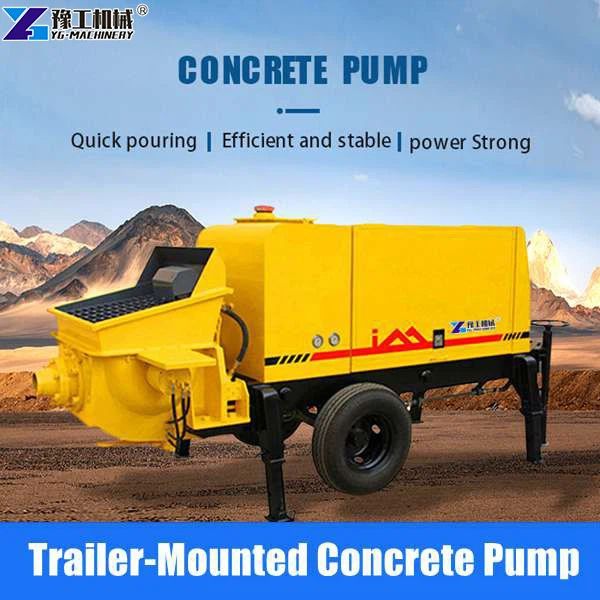
Can a small concrete pump be used for industrial building construction? This is a question that often arises among construction professionals and project managers. As a supplier of Small Concrete Pump, I have witnessed firsthand the versatility and effectiveness of these machines in various construction scenarios, including industrial building projects. In this blog post, I will explore the potential of small concrete pumps in industrial building construction, discussing their advantages, limitations, and key considerations.
Advantages of Small Concrete Pumps in Industrial Building Construction
1. Maneuverability and Accessibility
One of the primary advantages of small concrete pumps is their compact size and excellent maneuverability. Industrial building sites can be complex and congested, with limited space for large equipment. Small concrete pumps can easily navigate through narrow aisles, around obstacles, and into tight corners, allowing for precise placement of concrete in hard-to-reach areas. This makes them ideal for constructing industrial buildings with intricate layouts, such as factories, warehouses, and data centers.
2. Cost-Effectiveness
Small concrete pumps are generally more affordable than their larger counterparts, both in terms of purchase price and operating costs. They require less fuel, maintenance, and manpower, making them a cost-effective solution for small to medium-sized industrial building projects. Additionally, their compact size reduces transportation costs and allows for easy on-site relocation, further enhancing their cost efficiency.
3. Flexibility and Versatility
Small concrete pumps are highly flexible and can be used for a wide range of applications in industrial building construction. They can pump concrete horizontally, vertically, and even at an angle, making them suitable for various construction tasks, such as foundation pouring, slab construction, column casting, and wall building. Moreover, they can handle different types of concrete mixes, including high-strength and self-compacting concrete, providing flexibility in material selection.
4. Reduced Labor Intensity
Using a small concrete pump significantly reduces the labor intensity of concrete placement. Instead of manually transporting and pouring concrete, workers can operate the pump from a control panel, allowing for a more efficient and precise concrete placement process. This not only saves time and labor but also reduces the risk of injuries associated with manual concrete handling.
Limitations of Small Concrete Pumps in Industrial Building Construction
1. Limited Output Capacity
One of the main limitations of small concrete pumps is their relatively limited output capacity compared to large concrete pumps. They are typically designed for small to medium-sized projects and may not be suitable for large-scale industrial building construction that requires a high volume of concrete to be pumped within a short period. In such cases, multiple small concrete pumps may need to be used simultaneously or a larger concrete pump may be required.
2. Shorter Reach
Small concrete pumps generally have a shorter reach than large concrete pumps, which may limit their use in certain industrial building construction scenarios. For example, they may not be able to reach the upper floors of tall industrial buildings or pump concrete over long distances without the use of additional equipment, such as concrete boom pumps or conveyors.
3. Lower Pressure and Pumping Height
Small concrete pumps typically operate at lower pressures and have a lower pumping height compared to large concrete pumps. This may restrict their use in applications that require high-pressure pumping or the ability to pump concrete to significant heights, such as high-rise industrial building construction.
Key Considerations for Using Small Concrete Pumps in Industrial Building Construction
1. Project Requirements
Before deciding to use a small concrete pump for industrial building construction, it is essential to carefully assess the project requirements, including the volume of concrete to be pumped, the distance and height of the pumping, the type of concrete mix, and the construction schedule. This will help determine whether a small concrete pump is suitable for the project and what specifications and features are required.
2. Site Conditions
The site conditions, such as the available space, access roads, and ground stability, also need to be considered when using a small concrete pump. The pump should be able to be easily transported to the site and positioned in a suitable location for efficient concrete placement. Additionally, the ground should be stable enough to support the weight of the pump and the concrete being pumped.
3. Concrete Mix Design
The concrete mix design plays a crucial role in the performance of a small concrete pump. The mix should be designed to have the appropriate workability, consistency, and strength for the pumping process. It is recommended to consult with a concrete supplier or a professional engineer to ensure that the concrete mix is suitable for the specific requirements of the project and the capabilities of the small concrete pump.
4. Operator Training and Experience
Proper operator training and experience are essential for the safe and efficient operation of a small concrete pump. The operator should be familiar with the pump's controls, safety features, and maintenance requirements. They should also have the necessary skills and experience to handle different types of concrete mixes and pumping scenarios. It is recommended to provide comprehensive training to the operators and ensure that they are certified to operate the small concrete pump.
Conclusion
In conclusion, small concrete pumps can be a valuable asset in industrial building construction, offering numerous advantages, such as maneuverability, cost-effectiveness, flexibility, and reduced labor intensity. However, they also have some limitations, such as limited output capacity, shorter reach, and lower pressure and pumping height. Therefore, it is essential to carefully assess the project requirements, site conditions, and key considerations before deciding to use a small concrete pump for industrial building construction.
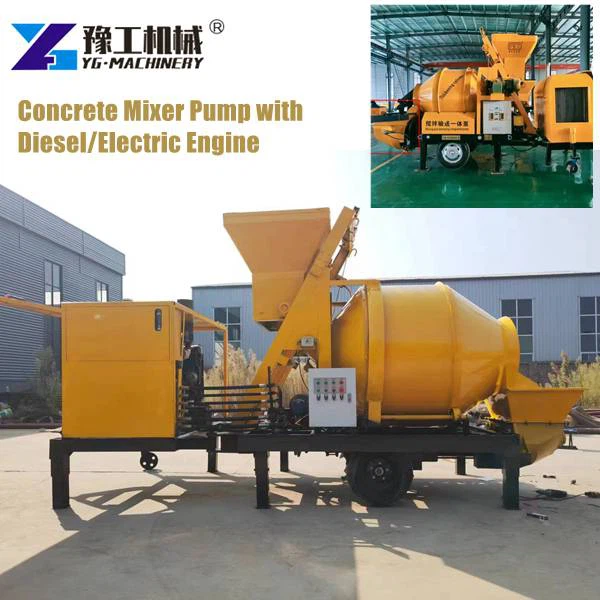
As a supplier of Small Concrete Pump, we are committed to providing high-quality small concrete pumps and comprehensive technical support to our customers. Our small concrete pumps are designed to meet the diverse needs of industrial building construction projects and are backed by our experienced team of engineers and technicians. If you are considering using a small concrete pump for your industrial building construction project, we would be happy to discuss your requirements and provide you with a customized solution. Contact us today to learn more about our Small Concrete Pump and other concrete equipment products, such as Concrete Pump Trailer and Concrete Mixer Pump.
References
- ACI 304R-00, Guide for Measuring, Mixing, Transporting, and Placing Concrete
- ASTM C94/C94M, Standard Specification for Ready-Mixed Concrete
- EN 206-1, Concrete - Specification, performance, production and conformity