As a supplier in the car dismantling industry, I've witnessed firsthand the challenges that flood - damaged cars present. Floods can cause extensive harm to vehicles, and it's our responsibility to handle them in a way that is both environmentally friendly and economically viable. In this blog post, I'll share how car dismantling companies like ours approach the task of dealing with flood - damaged cars.
Initial Assessment
The first step in handling flood - damaged cars is a thorough assessment. When a flood - damaged vehicle arrives at our facility, our team of experienced mechanics conducts a detailed inspection. We check the extent of water damage to the engine, electrical systems, interior, and body. This assessment helps us determine whether the car can be salvaged for parts or if it's beyond repair and should be recycled entirely.
The engine is a critical component to evaluate. Water can cause severe corrosion and mechanical damage to the engine's internal parts. If water has entered the cylinders, it can lead to hydro - locking, which may bend connecting rods or cause other catastrophic failures. Electrical systems are also highly vulnerable. Water can short - circuit wiring, damage sensors, and cause the vehicle's computer systems to malfunction.
The interior of the car is another area that requires close examination. Mold and mildew can quickly grow in a water - soaked interior, posing health risks and making the car unpleasant to use. The body of the vehicle may also be affected, with rust starting to form on exposed metal surfaces.
Salvaging Parts
If the assessment reveals that certain parts of the flood - damaged car are still in good condition, we proceed with the salvaging process. Our technicians carefully remove reusable parts, such as doors, fenders, engines, transmissions, and electrical components. These parts are then cleaned, tested, and stored for future sale.
For example, a door that has only minor water damage on the exterior may be salvaged. We remove the door, strip it of any damaged interior components like the window regulator or speaker if necessary. Then, we clean the door thoroughly, repaint it if needed, and test its functionality. Once it passes our quality control checks, it's added to our inventory of used car parts.
Engines and transmissions can be more challenging to salvage. However, if the water damage is limited and the internal components are not severely corroded, we can rebuild them. Our expert mechanics disassemble the engine or transmission, clean each part, replace any damaged components, and then reassemble and test it to ensure it meets our performance standards.
Recycling the Car
Cars that are beyond repair or have a significant amount of non - salvageable parts are recycled. Recycling is a crucial part of our business, as it helps conserve natural resources and reduce the environmental impact of discarded vehicles.
We start the recycling process by draining all the fluids from the car, including gasoline, oil, coolant, and brake fluid. These fluids are properly disposed of or reused according to environmental regulations. Next, we remove any remaining components that can be recycled separately, such as the battery, tires, and catalytic converter.
The car body is then sent to a shredder. The shredder breaks the car into small pieces, which are then sorted by material. Metals like steel and aluminum are separated and sent to recycling facilities where they are melted down and used to make new products. Non - metallic materials, such as plastic and rubber, are also recycled or used for energy recovery in some cases.
Challenges in Handling Flood - Damaged Cars
Handling flood - damaged cars is not without its challenges. One of the main issues is the presence of contaminants in floodwater. Floodwater can contain a variety of pollutants, including chemicals, heavy metals, and sewage. When cars are submerged in such water, these contaminants can be absorbed by the vehicle's components, making them more difficult and expensive to recycle.
Another challenge is the mold and mildew growth in the car's interior. Mold can be difficult to remove completely, and it can spread quickly if not properly contained. Our team takes extra precautions when handling cars with mold, wearing protective gear and using specialized cleaning agents to ensure the safety of our workers.
The Role of Advanced Equipment
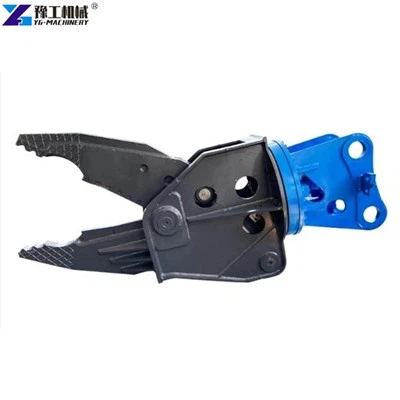
In our operations, we rely on a range of advanced equipment to handle flood - damaged cars efficiently. For example, we use Excavator Milling Head for some heavy - duty disassembly tasks. These tools can quickly and precisely cut through metal components, making the disassembly process faster and more accurate.
Pile Breaking Machine is another essential piece of equipment. It helps us break down large parts of the car body, such as the frame, into more manageable pieces for recycling.
Hydraulic Hammer for Excavator is also used for tasks like removing stubborn parts that are difficult to detach using traditional methods. These tools increase our productivity and enable us to handle flood - damaged cars more effectively.
Compliance with Regulations
As a car dismantling company, we are subject to strict environmental and safety regulations. We ensure that all our operations, from the initial assessment to the final recycling, comply with these regulations. For example, when disposing of hazardous fluids, we follow the guidelines set by local environmental agencies to prevent pollution.
We also maintain detailed records of every flood - damaged car we handle. These records include information about the vehicle's origin, the extent of damage, the parts salvaged, and the recycling process. This documentation helps us demonstrate our compliance with regulations and provides transparency to our customers.


Contact for Procurement and Collaboration
If you are in the market for high - quality used car parts salvaged from flood - damaged vehicles or are interested in learning more about our car dismantling and recycling services, we'd love to hear from you. Our team of experts is ready to assist you with all your procurement needs. Whether you're an auto repair shop, a salvage yard, or an individual looking for a specific part, we have the resources and experience to meet your requirements. Reach out to us for a consultation and let's start a fruitful business relationship.
References
- "Automotive Dismantling and Recycling: A Guide for Small Businesses" by the Environmental Protection Agency.
- "The Impact of Flood Damage on Vehicles" in the Journal of Automotive Engineering.
- "Best Practices for Handling and Recycling Flood - Damaged Cars" in the International Journal of Recycling of Marine Litter and Vehicles.