Hey there! I'm a supplier in the car dismantling business. You know, those cars with high mileage? They're a bit of a special case, and in this blog, I'm gonna share how car dismantling companies like us handle them.
First Impressions: Inspection Time
When a high - mileage car rolls into our yard, the first thing we do is a thorough inspection. It's like a medical check - up for cars. We look at everything from the body to the engine. The body might have a ton of rust, dents, and scratches. High - mileage cars have been through a lot of wear and tear on the roads, and that really shows on the exterior.
The engine is a whole different ballgame. We check the oil for signs of sludge, the coolant level, and look for any leaks. High - mileage engines often have problems with seals and gaskets. If they've been poorly maintained, there could be major engine issues like a blown head gasket or worn piston rings.
We also take a look at the transmission. Manual transmissions might have a worn clutch, while automatic transmissions could have issues with shifting gears smoothly. The suspension is another area that gets a good look - over. After all those miles, the shocks and struts are probably shot, and the tires are likely close to or past their tread life.
Safety First: Draining Fluids
Once the inspection is done, safety is our top priority. Those high - mileage cars are full of all sorts of fluids that can be dangerous if not handled properly. We start by draining the engine oil. It's usually dirty and full of contaminants, but it can still be recycled. Then comes the coolant. This stuff is toxic, so we need to collect it in special containers.
The transmission fluid, brake fluid, and power steering fluid also get drained. These fluids are important for the car's operation, but in a dismantled car, they're just a hazard. We make sure to follow all the environmental regulations when disposing of or recycling these fluids. It's not just about being good to the planet; it's also the law.
Taking It Apart: Dismantling Process
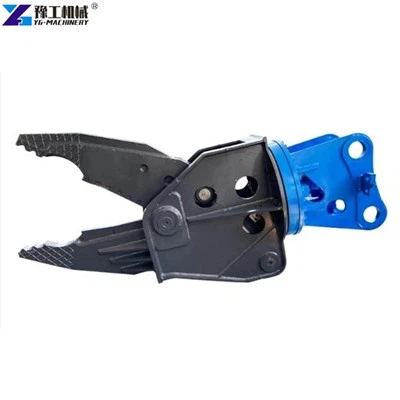
Now, it's time to start taking the car apart. We use all sorts of tools for this. Sometimes, we even use heavy - duty equipment like the Excavator Grapple. This thing is great for lifting and moving large parts of the car, like the body shell.
We start by removing the easily accessible parts. The wheels come off first, followed by the battery. The battery is a valuable component, and it can be recycled to recover the lead and other materials. Then, we move on to the interior. The seats, dashboard, and carpets are all removed. Some of these parts can be sold as second - hand items if they're in good condition.
The engine and transmission are the big ticket items. Removing them is a complex process. We need to disconnect all the hoses, wires, and brackets that hold them in place. Once they're out, we can take them apart even further to look for any reusable parts. For example, the pistons, crankshaft, and camshaft might still be in good shape and can be refurbished.
While working on the engine, we also use tools like the Ripper Tooth to break up any stubborn parts or to separate components that are stuck together. It's a powerful tool that helps us get the job done quickly.
Sorting and Recycling
Once all the parts are removed, we have a huge pile of stuff to sort through. We separate the metals from the plastics, rubber, and glass. Metals like steel and aluminum are highly recyclable. We use a Hydraulic Excavator Magnet to pull out the ferrous metals. This makes the sorting process much faster and more efficient.
The plastics are a bit more challenging. There are different types of plastics used in cars, and they need to be sorted into their respective categories for proper recycling. Rubber parts, like the tires and hoses, can also be recycled. They can be turned into new rubber products or used in other industries.
The glass from the windows and windshield is collected separately. It can be recycled into new glass products or used in construction materials. Even the smallest parts, like nuts, bolts, and screws, are sorted and recycled. Nothing goes to waste in our business.
Reusable Parts: Finding a New Home
Some of the parts from high - mileage cars are still in good enough condition to be reused. These parts are carefully inspected and tested before being put up for sale. Engine parts, transmissions, and body parts are some of the most sought - after items. We sell these parts to repair shops, car enthusiasts, and even other dismantling companies.
We provide detailed information about the parts, including their condition, mileage, and any known issues. This helps our customers make an informed decision. Selling these reusable parts is a great way to reduce waste and keep costs down for those who need to repair their cars.
The Final Steps: Compression and Disposal
After all the valuable parts are removed and recycled, what's left of the car is usually just the body shell. This shell is then compressed to reduce its size. Compression makes it easier to transport and takes up less space in landfills if it can't be recycled further.
However, we try to avoid sending any waste to landfills. We're always looking for new ways to recycle and reuse even the most difficult - to - handle materials. In some cases, we work with other recycling facilities to find innovative solutions for disposing of or repurposing the remaining parts of the car.
Wrapping Up and Inviting Contact
So, that's how we handle cars with high mileage in our car dismantling business. It's a complex process that requires a lot of knowledge, skill, and the right equipment. Whether you're a repair shop looking for good - quality second - hand parts or someone with a high - mileage car that you need to get rid of, we're here to help.


If you're interested in learning more about our services or want to discuss a potential purchase or partnership, don't hesitate to reach out. We're always up for a good chat and love to find new ways to solve problems in the car dismantling industry.
References
- International Automotive Dismantlers Association. (2023). Best Practices in Car Dismantling.
- Environmental Protection Agency. (2023). Recycling Guidelines for Automotive Parts.
- Automotive Repair Association. (2023). The Market for Reusable Car Parts.