

Hey there! As a supplier of shotcrete pumps, I've had my fair share of experiences with customers who are looking to get the most out of their equipment. One of the most common questions I get is, "How do I adjust the pumping speed of a shotcrete pump?" Well, you're in luck because I'm going to break it down for you in this blog post.
First things first, let's talk about why adjusting the pumping speed is important. The pumping speed of a shotcrete pump determines how much concrete is being delivered to the nozzle per unit of time. This is crucial because different applications require different amounts of concrete. For example, if you're working on a small repair job, you might want a slower pumping speed to ensure precise placement. On the other hand, if you're doing a large-scale spraying project, you'll probably need a faster pumping speed to cover more area in less time.
Now, let's get into the nitty-gritty of how to adjust the pumping speed. The process can vary depending on the type and model of your shotcrete pump, but I'll cover the general steps that apply to most pumps.
Step 1: Familiarize Yourself with Your Pump's Controls
Before you start adjusting the pumping speed, it's important to know where all the controls are located on your pump. Most shotcrete pumps have a control panel that allows you to adjust various settings, including the pumping speed. Take some time to read the operator's manual and familiarize yourself with the different buttons, switches, and dials. This will make the adjustment process much easier and safer.
Step 2: Check the Pump's Pressure and Flow Rate
Before you make any adjustments to the pumping speed, it's a good idea to check the pump's pressure and flow rate. This will give you a baseline to work from and help you determine if any adjustments are necessary. You can use a pressure gauge and a flow meter to measure these values. Make sure to follow the manufacturer's instructions for taking these measurements.
Step 3: Adjust the Pumping Speed
Once you've familiarized yourself with the controls and checked the pressure and flow rate, it's time to start adjusting the pumping speed. Most shotcrete pumps have a speed control knob or dial that allows you to increase or decrease the pumping speed. Turn the knob or dial in the appropriate direction to adjust the speed. As you make the adjustment, keep an eye on the pressure gauge and flow meter to ensure that the pump is operating within the recommended range.
Step 4: Monitor the Pumping Process
After you've made the adjustment, it's important to monitor the pumping process to make sure that everything is working properly. Watch the concrete as it is being sprayed from the nozzle and look for any signs of unevenness or blockages. If you notice any problems, stop the pump immediately and make the necessary adjustments.
Step 5: Fine-Tune the Pumping Speed
Depending on the application, you may need to fine-tune the pumping speed to get the best results. For example, if you're spraying a vertical surface, you may need to slow down the pumping speed to prevent the concrete from running off. On the other hand, if you're spraying a horizontal surface, you may be able to increase the pumping speed to cover more area in less time. Experiment with different speeds until you find the one that works best for your specific application.
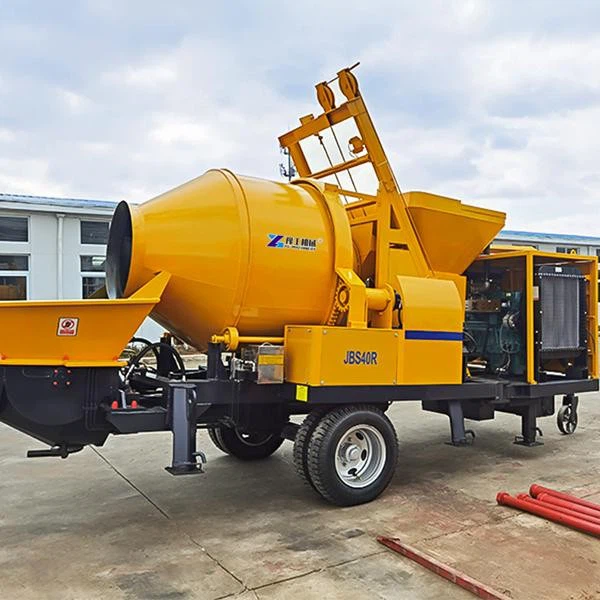

Now that you know how to adjust the pumping speed of a shotcrete pump, let's talk about some of the factors that can affect the pumping speed.
Factors Affecting Pumping Speed
- Concrete Mix: The consistency and composition of the concrete mix can have a significant impact on the pumping speed. A mix that is too thick or too thin may not pump properly, which can result in a slower pumping speed or even blockages. Make sure to use a concrete mix that is specifically designed for shotcrete applications and follow the manufacturer's recommendations for mixing and placing the concrete.
- Hose Length and Diameter: The length and diameter of the hose used to deliver the concrete to the nozzle can also affect the pumping speed. A longer hose or a smaller diameter hose will create more resistance, which can slow down the pumping speed. Try to use the shortest and largest diameter hose possible to minimize resistance and maximize the pumping speed.
- Nozzle Size: The size of the nozzle used to spray the concrete can also affect the pumping speed. A smaller nozzle will create more pressure, which can increase the pumping speed but may also result in a finer spray pattern. A larger nozzle will create less pressure, which can decrease the pumping speed but may also result in a coarser spray pattern. Choose a nozzle size that is appropriate for your specific application.
- Pump Capacity: The capacity of the pump itself can also affect the pumping speed. A pump with a higher capacity will be able to deliver more concrete per unit of time, which can result in a faster pumping speed. Make sure to choose a pump with a capacity that is appropriate for your specific application.
In addition to adjusting the pumping speed, there are also some other tips and tricks that can help you get the most out of your shotcrete pump.
Tips for Using a Shotcrete Pump
- Keep the Pump Clean: Regularly cleaning the pump and its components is essential for maintaining its performance and longevity. Make sure to follow the manufacturer's recommendations for cleaning and maintenance.
- Lubricate Moving Parts: Lubricating the moving parts of the pump, such as the pistons and cylinders, can help reduce friction and wear, which can improve the pump's performance and extend its lifespan.
- Use the Right Accessories: Using the right accessories, such as hoses, nozzles, and couplings, can help improve the efficiency and effectiveness of your shotcrete pump. Make sure to choose accessories that are compatible with your pump and your specific application.
- Train Your Operators: Proper training is essential for safe and effective operation of a shotcrete pump. Make sure to provide your operators with comprehensive training on how to use the pump, how to adjust the pumping speed, and how to troubleshoot common problems.
Well, that's about it for this blog post. I hope you found it helpful and informative. If you have any questions or need more information about adjusting the pumping speed of a shotcrete pump, or if you're interested in purchasing a shotcrete pump or any of our other Diesel Concrete Mixer With Pump, Concrete Mixer Pump, or Portable Shotcrete Machine, please don't hesitate to contact us. We're here to help you get the most out of your equipment and achieve your construction goals.
References
- Manufacturer's operator manuals for shotcrete pumps
- Industry standards and guidelines for shotcrete applications
- Personal experience and expertise as a shotcrete pump supplier


