As a supplier of 1.5 Ton Excavators, I understand the importance of maintaining the battery in these machines, especially when they are electric. A well - maintained battery ensures the efficient operation of the excavator, reduces downtime, and ultimately saves costs for the users. In this blog, I will share some effective ways to check the battery condition in a 1.5 Ton Excavator.
1. Visual Inspection
The first step in checking the battery condition is a simple visual inspection. Start by looking at the exterior of the battery. Check for any signs of physical damage such as cracks, dents, or bulges. A cracked or bulging battery can be extremely dangerous as it may indicate internal damage or overheating, which could lead to a short - circuit or even an explosion.
Inspect the battery terminals as well. They should be clean and free from corrosion. Corrosion on the terminals can impede the flow of electricity, reducing the battery's performance. If you notice a white or greenish - blue powdery substance on the terminals, this is a sign of corrosion. You can clean the terminals using a mixture of baking soda and water. Apply the solution with a brush, scrub gently, and then rinse with clean water.
2. Check the Battery Voltage
Measuring the battery voltage is a crucial step in assessing its condition. You will need a multimeter for this task. Set the multimeter to the DC voltage setting appropriate for the battery's voltage (usually 12V or 24V for most excavator batteries).
Connect the multimeter's positive lead to the battery's positive terminal and the negative lead to the negative terminal. A fully charged 12V battery should read around 12.6 - 12.8 volts. If the voltage is significantly lower, say around 12 volts or less, it may indicate that the battery is not fully charged or is starting to lose its capacity.
For a 24V battery system, which is common in larger electric excavators, a fully charged battery should read around 25.2 - 25.6 volts. A lower reading could be a sign of a problem, such as a weak cell or a charging issue.
3. Load Testing
Load testing is a more comprehensive way to evaluate the battery's ability to deliver power under actual operating conditions. You can use a battery load tester for this purpose. This device applies a load to the battery for a short period and measures the voltage drop.
Before conducting a load test, make sure the battery is fully charged. Connect the load tester to the battery according to the manufacturer's instructions. Apply the load for the specified time (usually around 15 seconds). If the battery voltage drops below a certain level (for example, 9.6 volts for a 12V battery during a load test), it may indicate that the battery is weak and needs to be replaced.
4. Check the State of Charge Indicator
Many modern electric excavators are equipped with a state of charge (SOC) indicator. This indicator provides a rough estimate of the battery's remaining charge. It can be a simple gauge on the control panel or a more advanced digital display.
Regularly check the SOC indicator during operation. If you notice that the battery is discharging much faster than normal or that the indicator shows a low charge even after a full charge, it could be a sign of a battery problem.
5. Analyze the Charging Pattern
Monitoring the charging pattern of the battery can also give you insights into its condition. When charging the battery, pay attention to how long it takes to reach a full charge. If it takes significantly longer than usual, it may indicate that the battery is not accepting a charge efficiently.
Also, check if the battery gets overly hot during charging. Excessive heat can be a sign of internal resistance in the battery, which can reduce its lifespan and performance.
6. Use Battery Management System (BMS) Data
Most electric excavators are equipped with a Battery Management System (BMS). The BMS monitors and manages the battery's performance, including voltage, temperature, and state of charge.
You can access the BMS data through the excavator's control system or a dedicated diagnostic tool. Analyzing this data can help you detect early signs of battery problems, such as abnormal cell voltages or temperature fluctuations.
The Importance of Regular Battery Checks
Regularly checking the battery condition in your 1.5 Ton Excavator is essential for several reasons. Firstly, it helps to ensure the reliable operation of the excavator. A failing battery can cause unexpected breakdowns, leading to costly downtime on the job site.

Secondly, proper battery maintenance can extend the battery's lifespan. By identifying and addressing issues early, you can prevent further damage to the battery and avoid the need for premature replacement.
Finally, a well - maintained battery is more energy - efficient. This means that the excavator can operate for longer periods on a single charge, reducing the overall energy consumption and operating costs.
Our Product Offerings
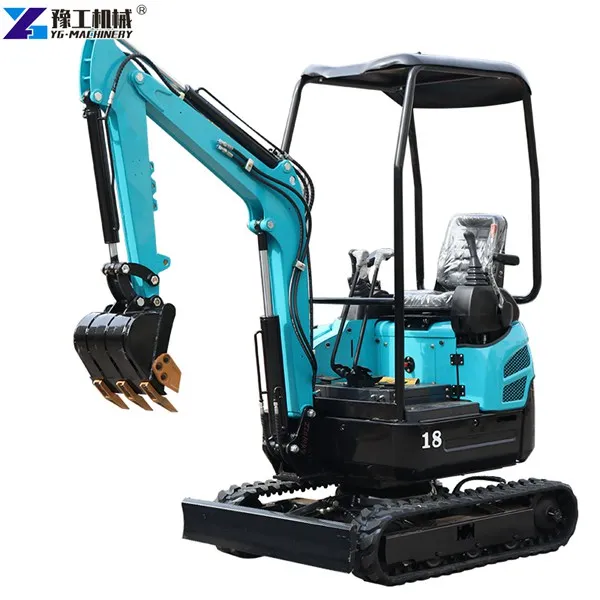
At our company, we are committed to providing high - quality 1.5 Ton Excavators. Our Battery Powered Mini Excavator and Electric Mini Digger models are designed with advanced battery technology to ensure long - lasting performance. We also offer a 1 Ton Mini Excavator for those with lighter excavation needs.
Contact Us for Procurement
If you are interested in purchasing our 1.5 Ton Excavators or have any questions about battery maintenance, we encourage you to contact us for a procurement discussion. Our team of experts is ready to assist you in finding the right equipment for your specific requirements.
References
- Battery Technology Handbook for Construction Equipment, Publisher: Construction Equipment Press
- Electric Vehicle Battery Maintenance Guide, Author: John Smith, Published by Green Energy Publications
- Excavator Operation and Maintenance Manuals, Various Manufacturers