

Checking the pressure of a concrete mixer pump is a crucial task that ensures the efficient and safe operation of the equipment. As a supplier of high - quality concrete mixer pumps, I understand the significance of proper pressure checks and am here to share some in - depth knowledge on this topic.
Why Pressure Checks are Important
The pressure in a concrete mixer pump is a key indicator of its performance. If the pressure is too low, the pump may not be able to deliver concrete to the desired location effectively, leading to incomplete pouring and potential construction delays. On the other hand, excessive pressure can cause damage to the pump components, such as hoses, valves, and cylinders, and may even pose a safety risk to the operators. Regular pressure checks help in early detection of problems, allowing for timely maintenance and preventing costly breakdowns.
Tools Required for Pressure Checks
Before you start checking the pressure of a concrete mixer pump, you need to gather the necessary tools. A pressure gauge is the most essential tool. It should be compatible with the type of concrete mixer pump you are using. Some pumps may require a specialized high - pressure gauge. Additionally, you may need wrenches to connect the gauge properly and safety equipment such as gloves and goggles to protect yourself during the process.
Pre - check Preparations
- Inspect the Pump: Before checking the pressure, conduct a visual inspection of the entire concrete mixer pump. Look for any signs of damage, such as leaks in the hoses, loose connections, or worn - out parts. Check the oil level in the hydraulic system, as low oil can affect the pressure.
- Review the Manual: Every concrete mixer pump comes with a user manual. Refer to it to understand the specific pressure requirements and the location of the pressure ports. Different models may have different pressure specifications and port locations.
Step - by - Step Pressure Checking Process
Step 1: Locate the Pressure Ports
The pressure ports are usually located on the hydraulic system of the concrete mixer pump. They are designed to allow the connection of a pressure gauge. In some pumps, there may be multiple pressure ports for different functions, such as the suction pressure port and the discharge pressure port. Identify the port that you need to check based on the type of pressure you want to measure.
Step 2: Connect the Pressure Gauge
Once you have located the pressure port, use the appropriate wrench to connect the pressure gauge. Make sure the connection is tight to prevent any leakage of hydraulic fluid. It is important to follow the correct procedure for connecting the gauge to avoid damage to the port or the gauge itself.
Step 3: Start the Pump
After connecting the pressure gauge, start the concrete mixer pump. Allow the pump to run for a few minutes to reach a stable operating condition. During this time, observe the pressure gauge reading. The reading should gradually increase and stabilize within the recommended range specified in the user manual.
Step 4: Read and Record the Pressure
Once the pressure has stabilized, read the value on the pressure gauge. Record this value along with the date and time of the check. Comparing the current reading with previous records can help you identify any trends or changes in the pressure over time.
Step 5: Check Different Operating Conditions
To get a comprehensive understanding of the pump's pressure performance, check the pressure under different operating conditions. For example, you can check the pressure when the pump is operating at full capacity, half - capacity, and during start - up and shut - down. This will give you a better idea of how the pump behaves under various loads.
Interpreting Pressure Readings
- Normal Pressure Range: The normal pressure range for a concrete mixer pump is specified in the user manual. If the pressure reading falls within this range, it indicates that the pump is operating normally. However, it is still important to monitor the pressure regularly to detect any sudden changes.
- Low Pressure: If the pressure reading is below the normal range, it could be due to several reasons. A clogged filter in the hydraulic system can restrict the flow of fluid, resulting in low pressure. Leaks in the hoses or valves can also cause a drop in pressure. In some cases, a malfunctioning pump motor or a worn - out hydraulic pump may be the cause.
- High Pressure: High pressure readings can be equally problematic. It may be caused by a blockage in the delivery pipeline, a malfunctioning pressure relief valve, or incorrect settings on the pump control panel. High pressure can put excessive stress on the pump components and increase the risk of failure.
Troubleshooting Based on Pressure Readings
- Low Pressure Troubleshooting:
- Check and replace the clogged filter if necessary.
- Inspect the hoses and valves for leaks and repair or replace them as needed.
- Test the pump motor and hydraulic pump to ensure they are functioning properly.
- High Pressure Troubleshooting:
- Check the delivery pipeline for blockages and clear them.
- Inspect the pressure relief valve and adjust or replace it if it is not working correctly.
- Review the pump control panel settings and make sure they are correct.
Importance of Regular Pressure Checks
Regular pressure checks are an integral part of the preventive maintenance program for a concrete mixer pump. By detecting and addressing pressure - related issues early, you can extend the lifespan of the pump, reduce the risk of breakdowns, and ensure the quality of concrete delivery. It also helps in maintaining a safe working environment for the operators.
Our Concrete Mixer Pump Offerings
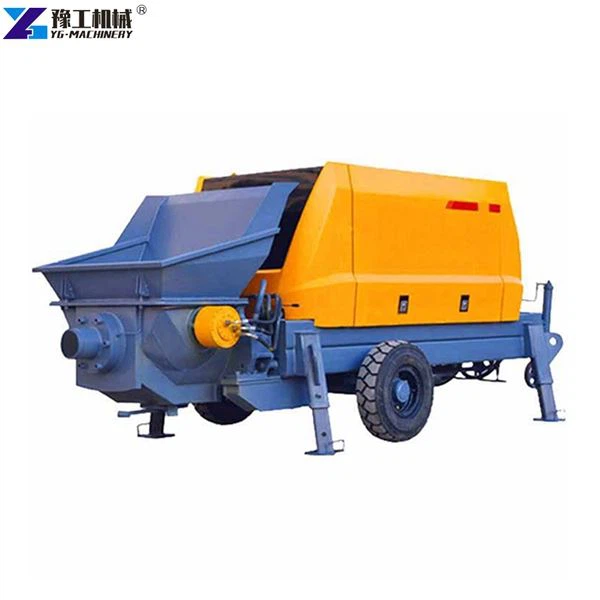
As a leading supplier, we offer a wide range of concrete mixer pumps to meet different construction needs. Our Diesel Concrete Mixer With Pump is powered by a reliable diesel engine, providing high - performance and efficient concrete mixing and pumping. For smaller construction projects, our Small Concrete Pump is a compact and cost - effective solution. And for stationary applications, our Stationary Concrete Pump offers stable and continuous concrete delivery.

Contact Us for Procurement
If you are in the market for a high - quality concrete mixer pump or need more information about pressure checks and maintenance, we are here to assist you. Our team of experts can provide you with detailed product information, technical support, and guidance on choosing the right pump for your project. Contact us today to start the procurement process and ensure a smooth and efficient construction operation.
References
- Manufacturer's user manuals for concrete mixer pumps
- Industry standards and guidelines for concrete pump operation and maintenance
- Technical literature on hydraulic systems and pressure measurement


