What is the fuel consumption of a road roller? Well, that's a question I get asked a lot as a road roller supplier. In this blog post, I'll break down the factors influencing road roller fuel consumption and provide some ballpark figures to give you a better idea.
Factors Affecting Fuel Consumption
1. Roller Type
There are different types of road rollers, and each has its own fuel - consumption characteristics.
-
Mini Roller Compactor: These are small, lightweight rollers designed for compacting small areas such as sidewalks or in tight spaces. They usually have a relatively small engine to match their size. You can check out our Mini Roller Compactor if you have a small - scale project. Due to their small engines, they consume less fuel compared to larger rollers. On average, a mini roller compactor might consume around 0.5 - 1.5 liters of fuel per hour, depending on the engine's power and the load it's working under.
-
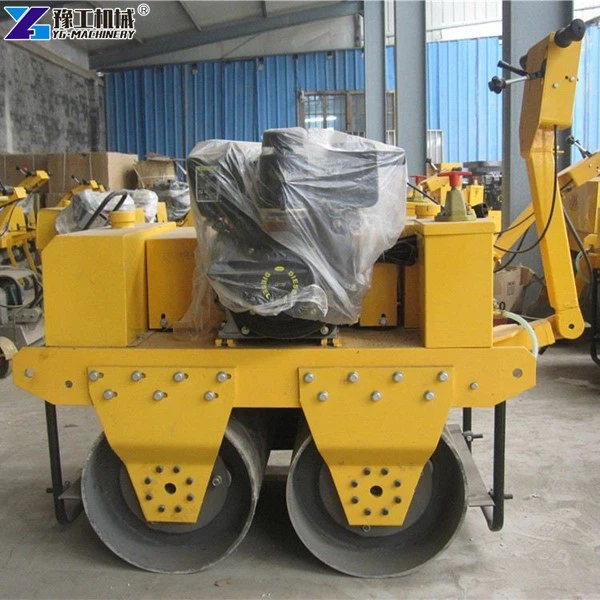
Mini Tandem Roller: A Mini Tandem Roller is also relatively small but offers a bit more power and compaction ability than a mini roller compactor. It typically has two drums, which allows for better compaction on flat surfaces. The fuel consumption of a mini tandem roller can range from 1 - 2.5 liters per hour. The extra power and the rotation of the two drums do increase the fuel usage compared to a single - drum mini design.
-
Single Drum Road Roller: Single Drum Road Roller is a larger and more powerful machine, commonly used for bigger road construction projects. These rollers have larger engines that can generate the force needed to compact large areas of soil or asphalt. A single drum road roller can consume anywhere from 3 - 8 liters of fuel per hour. The wide range is due to the variation in engine power, the weight of the roller, and the working conditions.

2. Engine Power
The power of the roller's engine is directly related to its fuel consumption. A more powerful engine needs more fuel to operate because it has to generate more energy to drive the roller and perform the compaction. For instance, if you're using a high - horsepower single drum road roller to compact a thick layer of asphalt on a major highway, the engine will be working hard, and thus, the fuel consumption will be on the higher end of the scale.
3. Working Conditions
The conditions under which the road roller operates have a huge impact on fuel consumption.
-
Terrain: If the roller is working on a flat and smooth surface, the engine doesn't have to work as hard, and fuel consumption will be relatively low. However, if it's working on a hilly or uneven terrain, the engine has to overcome gravity and the resistance of the irregular surface, which increases fuel consumption.
-
Load: Compacting a thick layer of material requires more force from the roller, which in turn demands more energy from the engine. So, if you're compacting a very thick layer of soil or a dense asphalt mix, the roller will consume more fuel than when working on a thin layer.
4. Operator Skill
An experienced operator can significantly affect the fuel consumption of a road roller. A skilled operator knows how to operate the machine efficiently, avoid unnecessary idling, and use the right amount of throttle. For example, starting and stopping the machine smoothly, rather than in a jerky manner, can save fuel.
How to Estimate Fuel Costs for Your Project
To estimate the fuel costs for a road construction project that involves a road roller, follow these steps:
- Determine the working hours: Figure out how many hours the roller will be in operation for the project. This can be based on the size of the area to be compacted and the compaction speed of the roller.
- Find the average fuel consumption: Based on the type of roller you're using and the working conditions, determine the average fuel consumption per hour. You can use the figures I provided earlier as a starting point, but it's a good idea to consult the roller's manual for more accurate data.
- Calculate the total fuel consumption: Multiply the average fuel consumption per hour by the total working hours.
- Estimate the fuel cost: Multiply the total fuel consumption by the current price of fuel in your area.
Let's say you're using a single drum road roller that consumes an average of 5 liters of fuel per hour, and your project requires the roller to work for 80 hours. If the price of fuel is $1.5 per liter, the total fuel cost will be (5\times80\times1.5=$600).
Saving on Fuel Consumption
If you're looking to reduce the fuel consumption of your road roller, here are some tips:
- Regular Maintenance: Keep the roller in good working condition. This includes changing the oil, air filters, and spark plugs (if applicable) regularly. A well - maintained engine runs more efficiently and consumes less fuel.
- Proper Tire Inflation: For rubber - tired road rollers, make sure the tires are properly inflated. Under - inflated tires increase rolling resistance, which means the engine has to work harder and use more fuel.
- Optimize Work Patterns: Plan your work in a way that minimizes the roller's idle time and unnecessary movement. For example, have a clear path for the roller to follow and group similar tasks together.
As a road roller supplier, I understand that fuel consumption is an important factor for you when choosing a road roller. We offer a wide range of road rollers with various fuel - efficiency features. If you're interested in learning more about our products or getting a quote for your project, feel free to reach out. We can help you select the right road roller for your needs and provide you with all the information you need to estimate your fuel costs accurately.
References
- "Construction Equipment Handbook", various authors, multiple editions
- Manufacturer's manuals for different road roller models