

Hey there! As a supplier of Pedestrian Rollers, I've seen firsthand the importance of compaction efficiency. Whether you're working on a small paving project or a larger road construction job, getting the most out of your Pedestrian Roller can save you time, money, and a whole lot of hassle. In this blog post, I'm gonna share some tips and tricks on how to improve the compaction efficiency of a Pedestrian Roller.
1. Choose the Right Roller for the Job
First things first, you gotta pick the right Pedestrian Roller for your specific project. There are different types of rollers available, each designed for different applications. For instance, if you're working on a small pavement area, a Small Pavement Roller might be the perfect fit. These rollers are compact and maneuverable, making them ideal for tight spaces.
On the other hand, if you need to compact larger areas, a Mini Tandem Roller could be a better option. Tandem rollers have two drums, which provide better compaction coverage and are great for asphalt and soil compaction. And if you're dealing with heavy-duty soil compaction, a Single Drum Road Roller might be what you need. It has a single large drum that can apply more force to the ground.
2. Prepare the Surface
Before you start rolling, it's crucial to prepare the surface properly. Remove any debris, rocks, or other obstacles that could interfere with the compaction process. Make sure the surface is level and graded according to the project specifications. If the surface is too rough or uneven, the roller won't be able to make proper contact, which can lead to inconsistent compaction.
You might also want to consider pre - wetting the soil if you're working on a soil compaction project. This can help reduce the friction between the soil particles and make it easier for the roller to compact the soil. However, be careful not to over - wet the soil, as this can cause the soil to become too soft and lose its stability.
3. Adjust the Roller Settings
Most Pedestrian Rollers come with adjustable settings that can be customized based on the type of material you're compacting and the desired compaction level. For example, you can adjust the vibration frequency and amplitude. Higher vibration frequencies are generally better for compacting granular materials like gravel, while lower frequencies work well for cohesive soils.
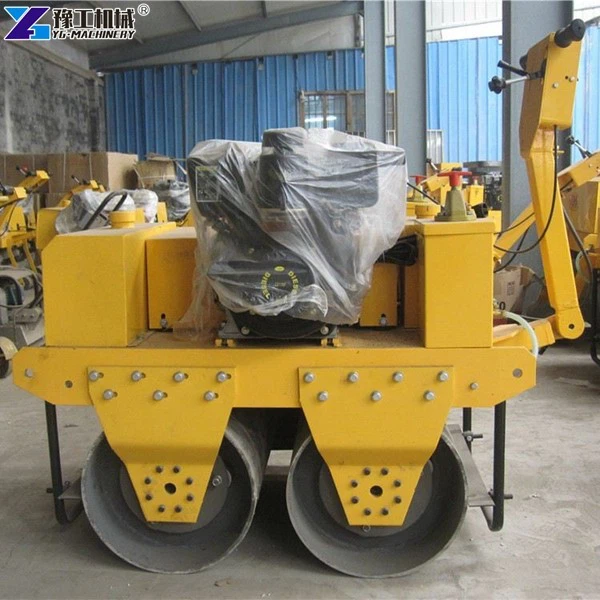

The amplitude of the vibration also plays a role. A larger amplitude can provide more force, which is useful for deeper compaction. You should also set the appropriate drum speed. A slower speed allows the roller to apply more pressure and achieve better compaction, especially for thicker layers of material.
4. Use the Right Rolling Pattern
The way you roll the surface can have a significant impact on the compaction efficiency. There are several rolling patterns you can use, such as the parallel pass, the overlapping pass, and the herringbone pattern.
The parallel pass involves rolling the roller in straight, parallel lines across the surface. This is a simple and effective pattern for small areas. The overlapping pass is similar, but you overlap each pass by about one - third to one - half of the drum width. This ensures that the entire surface is compacted evenly.
The herringbone pattern is a bit more complex but can provide excellent compaction results. In this pattern, you roll the roller in a zig - zag or herringbone shape across the surface. This helps to break up any air pockets and ensures uniform compaction.
5. Maintain the Roller
Regular maintenance is key to keeping your Pedestrian Roller in top condition and maximizing its compaction efficiency. Make sure to check the oil levels, coolant levels, and tire pressure (if it's a pneumatic - tired roller) before each use. Clean the drums after each job to prevent the buildup of dirt and debris, which can affect the compaction performance.
Inspect the vibration system regularly to ensure that it's working properly. A malfunctioning vibration system can lead to poor compaction results. Also, replace any worn - out parts, such as bearings or seals, as soon as possible to avoid further damage to the roller.
6. Train the Operator
Even the best - equipped Pedestrian Roller won't perform well if the operator doesn't know how to use it correctly. Provide proper training to your operators on how to operate the roller safely and efficiently. They should understand the different settings, rolling patterns, and maintenance procedures.
Encourage operators to pay attention to the compaction process and make adjustments as needed. For example, if they notice that a particular area isn't being compacted properly, they should be able to adjust the roller settings or change the rolling pattern to achieve better results.
7. Monitor the Compaction Results
It's important to monitor the compaction results as you go. You can use a variety of methods to check the compaction level, such as a nuclear density gauge or a sand cone test. These tests can give you an accurate measurement of the density of the compacted material.
If the compaction level isn't meeting the project specifications, you may need to go over the area again with the roller, adjust the settings, or make other changes to improve the compaction. Regular monitoring helps you catch any issues early and ensures that the final product meets the required standards.
Conclusion
Improving the compaction efficiency of a Pedestrian Roller isn't rocket science, but it does require a combination of the right equipment, proper preparation, and skilled operation. By following these tips, you can get the most out of your Pedestrian Roller and achieve better compaction results in less time.
If you're in the market for a new Pedestrian Roller or need more information on how to improve the compaction efficiency of your existing roller, don't hesitate to reach out. We're here to help you find the best solution for your project. Contact us today to start the procurement discussion and take your compaction projects to the next level!
References
- "Compaction Equipment Handbook" - A comprehensive guide on various compaction equipment and their operation.
- "Soil Mechanics and Foundations" - A textbook that covers the principles of soil compaction and the factors affecting it.
- Industry research papers on road construction and compaction techniques.


