

As a supplier of small concrete pumps, one of the most frequently asked questions I encounter from customers is about the fuel consumption of these machines. Understanding the fuel consumption of a small concrete pump is crucial for both cost - effectiveness and operational planning. In this blog, I'll delve into the factors that influence fuel consumption, typical consumption rates, and how you can optimize it for your projects.
Factors Affecting Fuel Consumption
1. Pump Capacity
The capacity of a small concrete pump, measured in cubic meters per hour (m³/h), has a direct impact on fuel consumption. Generally, pumps with higher capacities require more energy to operate, which means they consume more fuel. For example, a small concrete pump with a capacity of 20 m³/h will consume less fuel than one with a capacity of 40 m³/h when both are working at full load. This is because the larger - capacity pump needs more power to move a greater volume of concrete in the same time frame.
2. Engine Power
The engine is the heart of the concrete pump, and its power rating is a significant determinant of fuel consumption. A more powerful engine can generate the necessary pressure to pump concrete over longer distances and to greater heights. However, this increased power comes at the cost of higher fuel consumption. Smaller engines, on the other hand, are more fuel - efficient but may not be suitable for large - scale or demanding projects.
3. Concrete Mix Properties
The properties of the concrete mix being pumped also play a role in fuel consumption. A well - proportioned and workable concrete mix with the right slump and aggregate size will flow more easily through the pump, reducing the load on the engine and thus lowering fuel consumption. Conversely, a mix that is too dry, has large or irregularly shaped aggregates, or is poorly mixed can cause blockages and require the pump to work harder, increasing fuel usage.
4. Operating Conditions
The operating conditions of the small concrete pump can greatly affect fuel consumption. Working on a construction site with rough terrain, extreme temperatures, or high altitudes can put additional stress on the engine. For instance, at high altitudes, the air is thinner, which means the engine may not operate as efficiently, leading to increased fuel consumption. Similarly, if the pump has to work continuously for long periods without breaks, it may also consume more fuel compared to intermittent use.
5. Pumping Distance and Height
The distance and height to which the concrete needs to be pumped are important factors. Pumping concrete over longer distances or to greater heights requires more pressure, which in turn demands more power from the engine. As a result, fuel consumption increases. For example, pumping concrete horizontally for 50 meters will consume less fuel than pumping it vertically for 20 meters and then horizontally for another 50 meters.
Typical Fuel Consumption Rates
It's difficult to provide an exact fuel consumption rate for small concrete pumps because of the many variables involved. However, we can give a rough estimate based on common models.
For small concrete pumps with a capacity of around 10 - 20 m³/h, the fuel consumption can range from 3 - 6 liters per hour under normal operating conditions. These pumps usually have engines with lower power ratings, typically in the range of 20 - 40 horsepower.
Pumps with a capacity of 20 - 30 m³/h may consume 6 - 10 liters per hour. These midsize pumps are often used for medium - sized construction projects and have engines in the 40 - 60 horsepower range.
Larger small concrete pumps with a capacity of 30 - 40 m³/h can have a fuel consumption of 10 - 15 liters per hour. They are equipped with more powerful engines, usually above 60 horsepower, to handle larger volumes of concrete.
It's important to note that these are just estimates, and the actual fuel consumption can deviate based on the factors mentioned above. For example, if the pump is pumping a difficult - to - handle concrete mix over a long distance, the fuel consumption may be higher than the estimated range.
Optimizing Fuel Consumption
1. Proper Maintenance
Regular maintenance of the small concrete pump is essential for optimizing fuel consumption. This includes changing the engine oil, air filters, and fuel filters at the recommended intervals. A clean air filter allows the engine to breathe properly, while a clean fuel filter ensures that the engine receives a consistent supply of clean fuel. Additionally, keeping the pump's hydraulic system in good condition can also improve its efficiency and reduce fuel consumption.
2. Correct Concrete Mix Design
Working with a well - designed concrete mix is crucial. Consult with a concrete expert to determine the optimal mix for your project. A mix with the right slump and aggregate size will flow smoothly through the pump, reducing the load on the engine and saving fuel.
3. Efficient Operation
Operators should be trained to operate the pump efficiently. This includes starting and stopping the pump correctly, avoiding unnecessary idling, and adjusting the pumping speed according to the requirements of the project. For example, if the concrete placement rate is low, the pump can be operated at a lower speed to save fuel.
4. Route Planning
When possible, plan the pumping route to minimize the horizontal and vertical distances. This can significantly reduce the pressure requirements and thus the fuel consumption. Avoid sharp bends and long hoses, as these can increase resistance and make the pump work harder.
Our Product Range
As a supplier of small concrete pumps, we offer a variety of models to meet different project requirements. Our Stationary Concrete Pump is ideal for fixed - location projects where a reliable and continuous supply of concrete is needed. It is known for its high efficiency and relatively low fuel consumption.
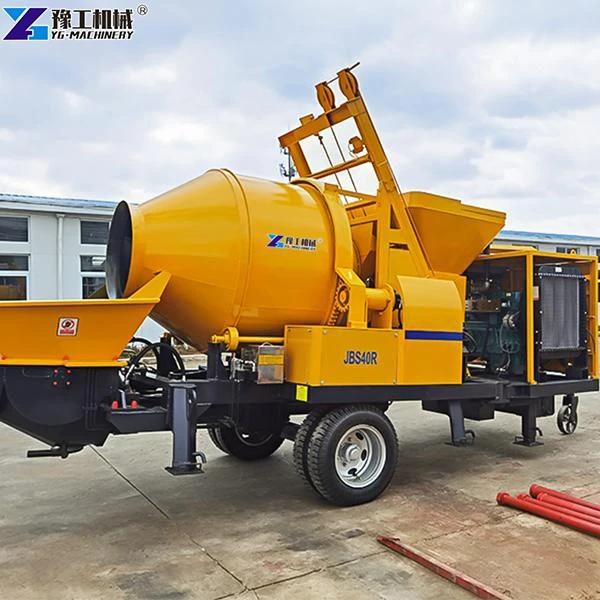
Our Concrete Mixer Pump combines the functions of a concrete mixer and a pump, providing a convenient all - in - one solution. This model is designed to be fuel - efficient while still delivering high - quality concrete mixing and pumping performance.
For more portable and on - the - go applications, we have the Portable Shotcrete Machine. It is easy to transport and operate, and its fuel consumption is optimized for small - scale projects.
Conclusion
Understanding the fuel consumption of a small concrete pump is essential for any construction project. By considering the factors that affect fuel consumption, knowing the typical consumption rates, and implementing optimization strategies, you can reduce costs and improve the efficiency of your operations.
If you are interested in our small concrete pumps or have more questions about fuel consumption and our products, we welcome you to contact us for a detailed discussion. We are here to provide you with the best solutions for your concrete pumping needs.

References
- Concrete Pumping Handbook, various industry publications
- Manufacturer's manuals for small concrete pumps
- Construction industry research on equipment efficiency and fuel consumption


