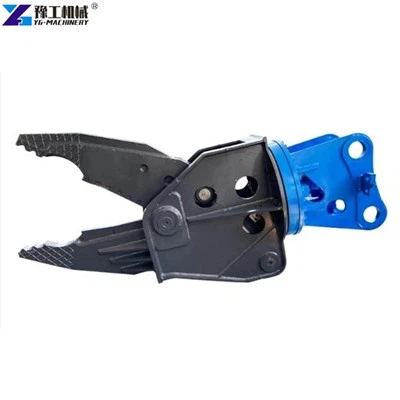
Noise generated by ripper teeth can be a significant concern in construction and earth - moving operations. As a reputable ripper tooth supplier, I understand the importance of addressing this issue. Not only does excessive noise cause discomfort to operators and nearby residents, but it can also lead to potential legal issues and reduced productivity. In this blog, I will share some effective strategies to reduce the noise generated by ripper teeth.
Understanding the Source of Noise
Before we can effectively reduce the noise, it is crucial to understand where it comes from. When ripper teeth come into contact with the ground or rocks, the impact and friction generate vibrations. These vibrations then propagate through the ripper assembly and the machine, producing sound waves. The type of material being ripped, the design of the ripper teeth, and the operating conditions all play a role in determining the level of noise produced.
1. Optimize Ripper Tooth Design
The design of ripper teeth is a fundamental factor in noise generation. Modern ripper teeth can be engineered to minimize the impact forces and vibrations. For example, using a more streamlined and rounded tip design can reduce the abruptness of the contact with the material. This helps to spread the force over a larger area, reducing the intensity of the impact and thus the noise.
Some advanced ripper teeth designs also incorporate shock - absorbing features. These features can be in the form of internal dampening materials or flexible components that can absorb and dissipate the energy generated during the ripping process. By reducing the energy transferred to the machine and the surrounding environment, the noise level can be significantly lowered.


2. Choose the Right Material
The material of the ripper teeth can have a substantial impact on noise generation. Harder materials may be more wear - resistant, but they can also produce more noise due to their brittleness and the way they interact with the material being ripped. Softer materials, on the other hand, may deform more easily, which can also lead to increased noise if not properly designed.
A good compromise is to use materials that have both high strength and some degree of flexibility. For instance, certain alloy steels can provide the necessary strength while also being able to absorb some of the vibrations. Additionally, surface treatments such as coatings can be applied to the ripper teeth. These coatings can reduce friction between the teeth and the material, further reducing noise.
3. Maintenance and Inspection
Regular maintenance of ripper teeth is essential for noise reduction. Worn - out or damaged ripper teeth can produce more noise as they are less efficient at ripping and may cause uneven forces. Inspect the ripper teeth regularly for signs of wear, cracks, or other damage. Replace any damaged teeth promptly to ensure that the ripping process remains smooth and quiet.
Proper lubrication of the ripper assembly is also crucial. Lubrication reduces friction between moving parts, which in turn reduces noise. Make sure to use the appropriate lubricant and follow the manufacturer's recommendations for lubrication intervals.
4. Adjust Operating Parameters
The way the ripper is operated can also affect the noise level. Adjusting the operating parameters such as the ripping speed, force, and angle can make a significant difference. For example, reducing the ripping speed can decrease the impact forces and the resulting noise. However, it is important to find the right balance, as reducing the speed too much can also reduce productivity.
The angle at which the ripper teeth enter the material is also critical. An improper angle can cause excessive force and vibrations. Operators should be trained to adjust the angle according to the type of material being ripped to minimize noise.
5. Use Noise - Reducing Attachments
There are several attachments available in the market that can help reduce the noise generated by ripper teeth. For example, some hydraulic attachments can be used to cushion the impact of the ripper teeth. These attachments work by absorbing the energy of the impact and releasing it gradually, reducing the noise.
Another option is to use sound - insulating covers or enclosures around the ripper assembly. These covers can be made of materials that are good at absorbing sound waves, such as fiberglass or rubber. They can effectively block the noise from spreading to the surrounding environment.
Related Products for Noise - Reducing Operations
In addition to the strategies mentioned above, there are some related products that can be used in conjunction with ripper teeth to further enhance the noise - reducing effect and overall efficiency of the operation.
- Hydraulic Rock Drill And Splitter: This equipment can be used to pre - break large rocks or hard materials before using the ripper teeth. By reducing the size and hardness of the material, the ripper teeth can work more smoothly, reducing the noise and wear.
- Hydraulic Quick Hitch: A hydraulic quick hitch allows for easy and quick attachment and detachment of the ripper teeth. This not only saves time but also ensures a more secure connection, which can reduce vibrations and noise during operation.
- Hydraulic Plate Compactor For Excavator: After the ripping process, a hydraulic plate compactor can be used to compact the soil. This can help to smooth out the surface and reduce the need for additional ripping, which in turn reduces the overall noise generated during the project.
Conclusion
Reducing the noise generated by ripper teeth is a multi - faceted challenge that requires a combination of proper design, material selection, maintenance, and operating practices. As a ripper tooth supplier, I am committed to providing high - quality products and solutions that can help our customers minimize noise and improve the efficiency of their operations.
If you are interested in learning more about our ripper teeth or other related products, or if you have any questions regarding noise reduction in your construction projects, please feel free to contact us for further discussion and procurement negotiation. We are here to provide you with the best solutions tailored to your specific needs.
References
- Smith, J. (2018). Noise Reduction in Construction Equipment. Journal of Construction Engineering, 25(3), 123 - 135.
- Johnson, A. (2019). Advances in Ripper Tooth Design for Noise and Vibration Reduction. International Journal of Earth - Moving Equipment, 18(2), 78 - 89.
- Brown, R. (2020). The Impact of Material Selection on Noise Generation in Ripper Teeth. Materials Science and Engineering, 45(4), 210 - 221.