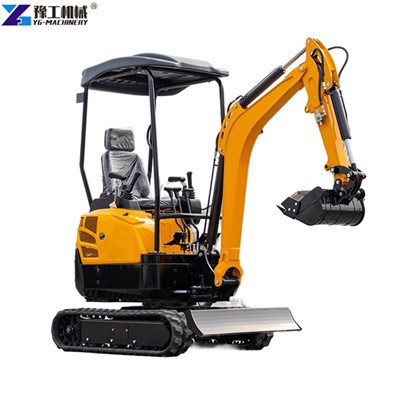
Transporting a demolished structure can be a complex and challenging task, but with the right demolition tools and a well - planned approach, it can be accomplished efficiently and safely. As a demolition tools supplier, I have witnessed firsthand the importance of using appropriate equipment throughout the demolition and transportation process.
Step 1: Demolition Planning
Before any demolition work begins, a detailed plan is crucial. This involves evaluating the structure to be demolished, identifying potential hazards, and determining the best demolition tools for the job. For instance, if you are dealing with a large concrete structure, Diamond Wire Saw Cutting can be an excellent choice. This tool is highly effective for cutting through thick concrete, reinforced concrete, and even stone. It offers precise cuts, which is beneficial when you need to break down the structure into manageable pieces for transportation.
The planning phase also includes assessing the transportation route. You need to consider factors such as road conditions, weight limits, and any permits required. If you are transporting heavy and large pieces, you may need to select a route with fewer obstacles and higher weight - bearing capacity.
Step 2: Choosing the Right Demolition Tools
Selecting the appropriate demolition tools is fundamental to ensure that the structure is broken down into pieces that are easy to handle and transport. In addition to diamond wire saws, Hydraulic Concrete Splitter is another powerful tool. It works by applying high pressure to split concrete and rock. This is useful for breaking large concrete blocks into smaller, more manageable sizes.
Hydraulic Wire Saw is also a great option. It provides high - speed cutting and can be used for demolishing vertical, horizontal, and overhead structures. It is especially effective in confined spaces where traditional equipment may not be able to operate.


Step 3: Demolition Process
Once the planning is complete and the tools are selected, the demolition process can commence. Start by marking the areas where you want to make the cuts and breaks. This ensures that the pieces are of the desired size and shape for transportation.
When using diamond wire saw cutting, make sure the wire is properly installed and tensioned. The cutting process should be carried out slowly and steadily to ensure a clean cut. With hydraulic concrete splitters, position the equipment correctly and carefully operate it to split the concrete into pieces.
It is important to follow all safety protocols during the demolition process. Workers should wear appropriate personal protective equipment (PPE), such as hard hats, safety glasses, and steel - toed boots. The work area should be clearly marked, and any bystanders should be kept at a safe distance.
Step 4: Handling and Loading the Demolished Pieces
After the structure has been demolished, the next step is to handle and load the pieces onto the transportation vehicle. You may need equipment such as cranes, forklifts, or skid - steers depending on the size and weight of the pieces.
For smaller pieces, manual handling can be used, but proper lifting techniques should be followed to prevent injuries. Larger pieces should be lifted using appropriate lifting equipment. Make sure the pieces are secured properly on the vehicle to prevent them from shifting during transportation. This can be achieved by using straps, chains, or other securing devices.
Step 5: Transporting the Demolished Structure
Once the pieces are loaded and secured, it's time to transport them to the designated location. If you are transporting heavy loads, you need to ensure that the vehicle is in good condition and is suitable for the weight of the load. The driver should be experienced and familiar with the route and any traffic regulations.
During transportation, regular checks should be made to ensure that the load remains secure. If there are any signs of the load shifting or the securing devices loosening, the vehicle should be stopped immediately and the issue addressed.
Step 6: Unloading at the Destination
Upon arrival at the destination, the pieces need to be unloaded safely. Similar to the loading process, appropriate equipment should be used. Make sure the unloading area is clear of any obstacles and is stable enough to support the weight of the pieces.
Importance of Quality Demolition Tools
Using high - quality demolition tools is essential for the entire process. Quality tools are more reliable, efficient, and durable. They reduce the risk of breakdowns during the demolition process, which can lead to delays and additional costs.
As a demolition tools supplier, I understand the importance of providing reliable equipment. Our range of Diamond Wire Saw Cutting, Hydraulic Concrete Splitter, and Hydraulic Wire Saw is designed to meet the highest industry standards. These tools are built to last and provide excellent performance in various demolition projects.
Costs and Budget Considerations
Transporting a demolished structure incurs several costs, including the cost of demolition tools, labor, transportation, and waste disposal. When planning your project, it is important to create a detailed budget. Consider the cost of purchasing or renting demolition tools. Renting may be a more cost - effective option for short - term projects, while purchasing may be more suitable for long - term or frequent use.
Transportation costs depend on the distance, weight of the load, and the type of vehicle used. Waste disposal costs also vary depending on the type of materials and local regulations. By carefully planning and budgeting, you can ensure that your project is completed within the allocated budget.
Conclusion
Transporting a demolished structure is a multi - step process that requires careful planning, the right demolition tools, and strict adherence to safety protocols. As a demolition tools supplier, I encourage you to explore our range of products to find the best solutions for your demolition and transportation needs.
If you are interested in discussing your project and exploring the options for purchasing or renting our high - quality demolition tools, we welcome you to reach out to us. We are committed to providing you with the best products and professional advice to ensure the success of your demolition projects.
References
- Construction Equipment Handbook. Wiley.
- Demolition Safety Guidelines. Occupational Safety and Health Administration.
- Best Practices for Transporting Heavy Loads. Department of Transportation.