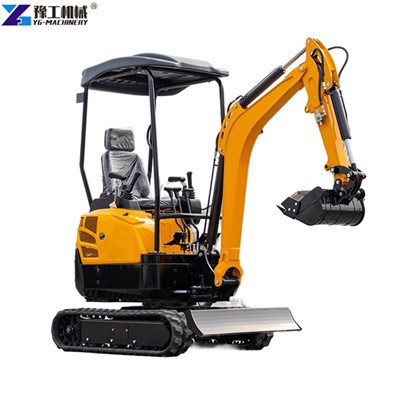
As a trusted supplier of 1.8 Tonne Excavators, I understand the importance of wear-resistant parts in ensuring the longevity, efficiency, and reliable performance of these machines. In this blog, I'll delve into the key wear-resistant parts of a 1.8 Tonne Excavator, exploring their functions, materials, and significance in the overall operation of the equipment.
Bucket and Teeth
The bucket and teeth are among the most critical wear-resistant parts of an excavator. They come into direct contact with the ground, rocks, and other materials during digging and loading operations, subjecting them to significant abrasion and impact forces.
The bucket is typically made of high-strength steel, which provides excellent durability and resistance to wear. The design of the bucket also plays a crucial role in its performance. A well-designed bucket will have smooth contours and a proper shape to ensure efficient material handling and minimize resistance. Some buckets are also equipped with replaceable cutting edges and wear plates, which can be easily replaced when worn out, extending the lifespan of the bucket.


The teeth, on the other hand, are the first point of contact with the material being excavated. They are usually made of hardened steel or other wear-resistant alloys to withstand the high levels of impact and wear. The shape and configuration of the teeth can vary depending on the type of material being excavated. For example, pointed teeth are more suitable for digging in hard soil or rock, while flat teeth are better for handling loose materials. Regular inspection and replacement of worn teeth are essential to maintain the digging efficiency of the excavator.
Tracks and Track Pads
The tracks and track pads are responsible for providing traction and mobility to the excavator. They endure constant friction against the ground, as well as the weight of the machine, making them prone to wear and tear.
Tracks are typically made of high-strength steel links that are connected together to form a continuous loop. The links are designed to withstand the high tensile forces generated during operation. The track shoes, which are attached to the links, provide the contact surface with the ground. They are often made of a combination of steel and rubber or other wear-resistant materials to enhance traction and reduce ground damage.
Track pads are an important component of the track system. They are usually made of rubber or a composite material and are attached to the track shoes. Track pads help to distribute the weight of the excavator evenly, reducing the pressure on the ground and minimizing damage to sensitive surfaces. They also provide additional traction, especially on soft or slippery terrain. Regular inspection of the tracks and track pads for signs of wear, such as cracks, tears, or excessive abrasion, is necessary to prevent track failures and ensure safe operation.
Undercarriage Components
The undercarriage of an excavator consists of several components, including the sprockets, idlers, rollers, and track tensioners. These components work together to support the weight of the machine, guide the tracks, and ensure smooth movement.
Sprockets are toothed wheels that engage with the tracks to drive the excavator forward or backward. They are made of high-strength steel and are designed to withstand the high torque and impact forces generated during operation. Idlers are used to guide the tracks and maintain proper tension. They are typically made of steel or cast iron and are equipped with bearings to ensure smooth rotation.
Rollers are another important part of the undercarriage. They support the weight of the machine and help to distribute the load evenly across the tracks. Rollers are usually made of steel and are designed to resist wear and corrosion. Track tensioners are used to adjust the tension of the tracks, ensuring proper alignment and preventing track slippage. Regular maintenance of the undercarriage components, including lubrication, inspection, and replacement of worn parts, is essential to extend the lifespan of the tracks and ensure optimal performance of the excavator.
Hydraulic Cylinders and Seals
Hydraulic cylinders are used to power the various functions of the excavator, such as the boom, arm, and bucket movements. They are subjected to high pressures and forces, making them prone to wear and leakage.
The cylinders are typically made of high-strength steel and are precision-machined to ensure smooth operation. The pistons inside the cylinders are coated with a wear-resistant material to reduce friction and prevent damage. The seals, which are used to prevent hydraulic fluid leakage, are also critical components. They are usually made of rubber or other elastomeric materials and are designed to withstand high pressures and temperature variations.
Regular inspection of the hydraulic cylinders and seals for signs of leakage, wear, or damage is necessary to prevent hydraulic system failures. Replacing worn seals and damaged cylinders in a timely manner can help to avoid costly repairs and downtime.
Cutting Edges and Weld-On Wear Plates
In addition to the bucket teeth, many excavator buckets are equipped with cutting edges and weld-on wear plates. These components are designed to enhance the wear resistance of the bucket and protect it from damage.
Cutting edges are attached to the front edge of the bucket and provide a sharp cutting surface for digging. They are usually made of hardened steel or other wear-resistant alloys and can be easily replaced when worn out. Weld-on wear plates are used to reinforce the areas of the bucket that are most susceptible to wear, such as the sides and bottom. They are welded onto the bucket and provide additional protection against abrasion and impact.
Using high-quality cutting edges and weld-on wear plates can significantly extend the lifespan of the bucket and reduce the frequency of bucket replacements, resulting in cost savings for the operator.
Importance of Choosing Quality Wear-Resistant Parts
Investing in high-quality wear-resistant parts is crucial for the performance and longevity of a 1.8 Tonne Excavator. Low-quality parts may be cheaper initially, but they are more likely to wear out quickly, leading to increased maintenance costs and downtime.
Quality wear-resistant parts are made from superior materials and are manufactured to strict standards, ensuring a perfect fit and reliable performance. They are designed to withstand the harsh operating conditions of an excavator, providing extended service life and reducing the risk of premature failures.
By choosing the right wear-resistant parts for your excavator, you can improve its efficiency, productivity, and reliability, ultimately maximizing your return on investment.
In conclusion, understanding the wear-resistant parts of a 1.8 Tonne Excavator and their importance is essential for any operator or owner. Regular inspection, maintenance, and replacement of worn parts are key to keeping the excavator in optimal condition. At our company, we offer a wide range of high-quality wear-resistant parts for 1.8 Tonne Excavators, including Battery Powered Mini Excavator, 1.5 Ton Excavator, and Electric Mini Digger. If you are interested in purchasing wear-resistant parts or have any questions about our products, please feel free to contact us for procurement and negotiation. We are committed to providing you with the best products and services to meet your needs.
References
- "Excavator Maintenance Manual", Manufacturer Publications
- "Handbook of Construction Equipment", Industry Authors