

Cold-mix asphalt pavement construction presents unique challenges and opportunities, and the proper use of a road roller is crucial for achieving a high-quality, durable surface. As a reputable road roller supplier, I've witnessed firsthand the impact of correct road roller operation on cold-mix asphalt projects. In this blog, I'll share valuable insights on how to use a road roller effectively in cold-mix asphalt pavement construction.
Understanding Cold-Mix Asphalt
Before delving into road roller operation, it's essential to understand cold-mix asphalt. Unlike hot-mix asphalt, cold-mix asphalt can be produced, transported, and placed at ambient temperatures. This makes it a versatile option for various construction scenarios, especially in cooler climates or for small-scale repairs. Cold-mix asphalt typically consists of aggregates, asphalt emulsion, and additives that allow it to set and harden over time.
Selecting the Right Road Roller
The first step in using a road roller for cold-mix asphalt pavement construction is selecting the appropriate machine. Different types of road rollers are available, each with its own features and applications. Here are some common types of road rollers and their suitability for cold-mix asphalt:
- Mini Roller Compactor: Ideal for small-scale projects and tight spaces, the Mini Roller Compactor offers excellent maneuverability and compaction performance. Its compact size allows it to access areas where larger rollers cannot reach, making it a popular choice for residential driveways, sidewalks, and small parking lots.
- Single Drum Road Roller: With a large, heavy drum, the Single Drum Road Roller provides high compaction force and is suitable for medium to large-scale cold-mix asphalt projects. It is commonly used for road construction, highway maintenance, and airport runways.
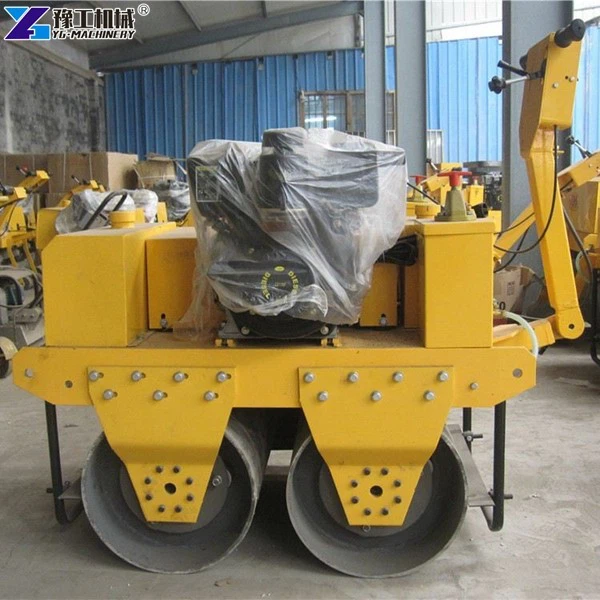
- Mini Tandem Roller: The Mini Tandem Roller features two drums, which provide uniform compaction and excellent surface finish. It is well-suited for small to medium-sized projects, such as bike paths, tennis courts, and residential streets.
When selecting a road roller, consider factors such as the project size, terrain, and compaction requirements. It's also important to choose a roller that is compatible with the cold-mix asphalt being used.
Preparing the Road Roller
Once you've selected the right road roller, it's time to prepare it for operation. Here are some key steps to follow:
- Inspect the Roller: Before starting the roller, conduct a thorough inspection to ensure it is in good working condition. Check the tires, drums, brakes, and hydraulic systems for any signs of damage or wear. Make sure all safety features are functioning properly.
- Fill the Fuel and Water Tanks: Fill the fuel tank with the appropriate type of fuel and the water tank with clean water. The water is used to keep the drums cool and prevent the asphalt from sticking to them.
- Adjust the Drum Settings: Depending on the type of cold-mix asphalt and the compaction requirements, adjust the drum settings such as vibration frequency, amplitude, and drum pressure. Consult the roller's operator manual for specific instructions.
- Warm Up the Roller: Start the roller and let it warm up for a few minutes to allow the engine and hydraulic systems to reach operating temperature. This will help ensure smooth operation and prevent damage to the machine.
Operating the Road Roller
Now that the road roller is prepared, it's time to start operating it. Here are some important tips to keep in mind:
- Follow the Correct Compaction Pattern: When compacting cold-mix asphalt, it's important to follow a specific compaction pattern to ensure uniform compaction and a smooth surface. Start at the edges of the pavement and work your way towards the center, overlapping each pass by about one-third of the drum width. Make sure to maintain a consistent speed and direction throughout the compaction process.
- Use the Right Compaction Technique: Depending on the type of cold-mix asphalt and the compaction requirements, you may need to use different compaction techniques. For example, you may need to use a combination of static and vibratory compaction to achieve the desired level of compaction. Consult the roller's operator manual for specific instructions on the appropriate compaction technique for your project.
- Keep the Drums Clean: As you compact the cold-mix asphalt, the drums may become covered with asphalt. To prevent the asphalt from sticking to the drums and affecting the compaction performance, keep the drums clean by spraying them with water or a release agent. Make sure to use a clean water source and avoid using any chemicals that may damage the asphalt.
- Monitor the Compaction Process: Throughout the compaction process, monitor the asphalt temperature, moisture content, and compaction density to ensure that the desired compaction level is being achieved. Use a temperature gauge to measure the asphalt temperature and a moisture meter to measure the moisture content. Take core samples at regular intervals to check the compaction density.
- Avoid Overcompaction: Overcompaction can cause the asphalt to become brittle and prone to cracking. To avoid overcompaction, follow the recommended compaction specifications and avoid excessive passes with the road roller. If you notice any signs of overcompaction, such as cracking or rutting, stop the compaction process immediately and consult a professional.
Post-Compaction Procedures
After the compaction process is complete, there are some important post-compaction procedures to follow:
- Allow the Asphalt to Cure: Cold-mix asphalt requires time to cure and harden. Depending on the type of cold-mix asphalt and the environmental conditions, the curing time can range from a few hours to several days. During the curing period, avoid driving or parking on the newly compacted asphalt to prevent damage.
- Inspect the Pavement: Once the asphalt has cured, inspect the pavement for any signs of damage or defects. Look for cracks, potholes, or uneven surfaces. If you notice any issues, take appropriate measures to repair them.
- Maintain the Road Roller: After each use, clean the road roller thoroughly to remove any asphalt residue or debris. Check the oil, coolant, and hydraulic fluid levels and top them up if necessary. Inspect the tires, drums, and brakes for any signs of wear and replace them if needed.
Conclusion
Using a road roller effectively in cold-mix asphalt pavement construction requires careful planning, proper equipment selection, and skilled operation. By following the tips and guidelines outlined in this blog, you can ensure that your cold-mix asphalt projects are completed to the highest standards of quality and durability.

As a road roller supplier, we are committed to providing our customers with the best products and services. If you have any questions or need assistance with your cold-mix asphalt pavement construction project, please don't hesitate to contact us. We'll be happy to help you select the right road roller for your needs and provide you with the support and guidance you need to ensure a successful project.
References
- "Cold-Mix Asphalt Pavement Construction Guide." Federal Highway Administration.
- "Road Roller Operator's Manual." [Manufacturer's Name].
- "Asphalt Pavement Technology." National Asphalt Pavement Association.


