

As a seasoned supplier of Concrete Mixer Pumps, I've witnessed firsthand the pivotal role these machines play in the construction industry. A Concrete Mixer Pump is a complex piece of equipment that combines the functions of a concrete mixer and a pump, streamlining the process of mixing and transporting concrete to the construction site. To ensure its optimal performance and longevity, regular maintenance is essential. In this blog, I'll share the common maintenance tasks for a Concrete Mixer Pump, which are crucial for keeping your equipment in top - notch condition.
1. Daily Maintenance
Daily maintenance is the first line of defense in preventing major issues with your Concrete Mixer Pump. It should be carried out at the beginning and end of each working day.
Inspection of External Components
At the start of the day, conduct a thorough visual inspection of the entire machine. Check for any visible signs of damage, such as cracks on the frame, loose bolts, or leaks in the hydraulic hoses. Pay special attention to the mixing drum and the pumping system. Any damage to these critical components can lead to inefficiencies or even breakdowns during operation.
Lubrication
Lubrication is vital for the smooth operation of moving parts. Daily, lubricate all the moving joints, such as the pivot points of the mixing blades and the connecting rods of the pumping mechanism. Use high - quality lubricants recommended by the manufacturer to ensure proper protection against wear and tear.
Cleaning
After each use, clean the Concrete Mixer Pump thoroughly. Remove any residual concrete from the mixing drum, hopper, and pumping pipes. Concrete that is left to dry can harden and cause blockages, which can be extremely difficult and time - consuming to remove. Use a high - pressure water hose to clean the exterior of the machine, but be careful not to direct water into electrical components.
2. Weekly Maintenance
Weekly maintenance tasks are more in - depth and focus on components that may not show immediate signs of wear during daily inspections.
Hydraulic System Check
The hydraulic system is the heart of the Concrete Mixer Pump, responsible for powering the pumping and mixing functions. Weekly, check the hydraulic oil level. Low oil levels can lead to overheating and reduced performance. Also, inspect the hydraulic hoses for any signs of swelling, cracking, or leakage. Replace any damaged hoses immediately to prevent hydraulic failures.
Electrical System Inspection
Inspect the electrical system to ensure all connections are secure. Check for any loose wires, frayed cables, or damaged electrical components. A faulty electrical system can not only cause the machine to malfunction but also pose a safety hazard. Test the switches and controls to make sure they are working properly.
Belt Tension Adjustment
If your Concrete Mixer Pump uses belts to transfer power, check the belt tension weekly. Loose belts can slip, reducing the efficiency of the machine, while overly tight belts can cause excessive wear on the pulleys and belts themselves. Adjust the belt tension according to the manufacturer's specifications.
3. Monthly Maintenance
Monthly maintenance takes a more comprehensive approach to the upkeep of the Concrete Mixer Pump.
Filter Replacement
Replace the filters in the hydraulic system and the engine regularly. Filters are designed to trap dirt, debris, and contaminants, preventing them from entering the system and causing damage. Clogged filters can restrict the flow of oil or air, leading to reduced performance and potential damage to the engine or hydraulic components.
Valve Inspection
Inspect the valves in the pumping system, such as the delivery valves and the suction valves. These valves control the flow of concrete through the pump. Check for any signs of wear, damage, or blockage. Replace any faulty valves to ensure proper concrete flow and prevent backflow.
Calibration of Sensors
Many modern Concrete Mixer Pumps are equipped with sensors to monitor various parameters, such as pressure, temperature, and flow rate. Monthly, calibrate these sensors to ensure accurate readings. Incorrect sensor readings can lead to improper operation of the machine and may cause damage over time.
4. Seasonal Maintenance
Seasonal maintenance is necessary to adapt the Concrete Mixer Pump to changing environmental conditions.
Winter Maintenance
In cold weather, take special precautions to prevent the water in the system from freezing. Drain all the water from the pipes, hoses, and the mixing drum after each use. If the machine is going to be stored for an extended period during winter, add antifreeze to the water - containing components. Also, check the battery regularly, as cold temperatures can reduce its performance.
Summer Maintenance
During the hot summer months, the Concrete Mixer Pump is more prone to overheating. Check the cooling system, including the radiator and the coolant level, regularly. Clean the radiator fins to ensure proper airflow and cooling. Also, monitor the temperature of the hydraulic oil and the engine to prevent overheating.
5. Importance of Using Genuine Parts
When performing maintenance on your Concrete Mixer Pump, it is crucial to use genuine parts. Genuine parts are designed specifically for your machine and are made to the highest quality standards. They ensure proper fit, performance, and compatibility with the existing components. Using non - genuine parts may void the warranty and can lead to premature failure of the machine.
6. Our Product Range
As a supplier, we offer a wide range of Concrete Mixer Pumps to meet different construction needs. Our Small Concrete Pump is perfect for small - scale construction projects, such as residential building repairs and small - sized foundations. It is compact, easy to operate, and highly efficient.
For larger construction sites, our Stationary Concrete Pump provides a stable and powerful solution. It can handle large volumes of concrete and is suitable for high - rise building construction and large - scale infrastructure projects.
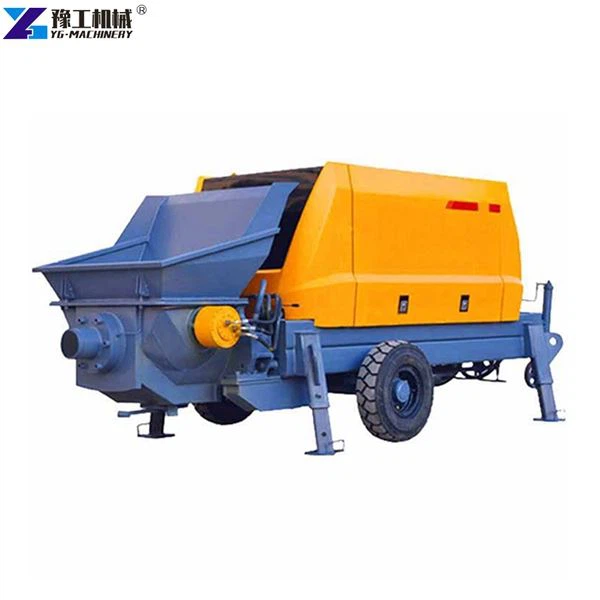
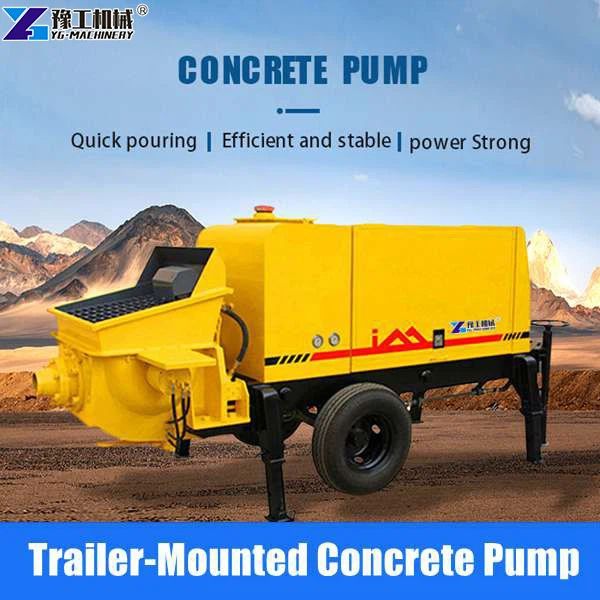
If you need a more mobile option, our Concrete Pump Trailer is a great choice. It can be easily towed to different construction sites, providing flexibility and convenience.
7. Conclusion
Proper maintenance of a Concrete Mixer Pump is essential for its reliable operation, extended lifespan, and cost - effective performance. By following the daily, weekly, monthly, and seasonal maintenance tasks outlined in this blog, you can ensure that your Concrete Mixer Pump remains in excellent condition.
If you are in the market for a high - quality Concrete Mixer Pump or need further advice on maintenance, we are here to help. Contact us for more information and to discuss your specific requirements. Our team of experts is ready to assist you in finding the perfect solution for your construction projects.
References
- Manufacturer's operation and maintenance manuals for Concrete Mixer Pumps.
- Industry standards and best practices for construction equipment maintenance.


