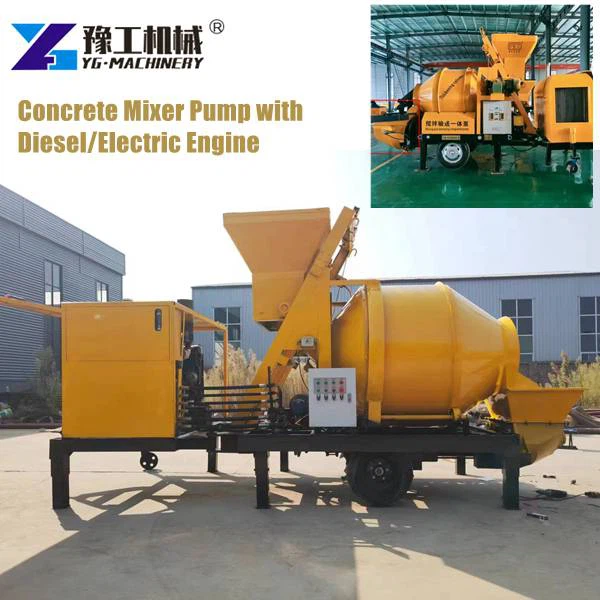
Hey there! As a supplier of Concrete Mixer Pump, I've seen firsthand how crucial it is to keep your pumping system in top - notch condition. A well - maintained pumping system not only ensures smooth operations but also extends the lifespan of your equipment, saving you a ton of money in the long run. So, let's dive into how you can maintain the pumping system of a concrete mixer pump.
Regular Inspections
The first step in maintaining your pumping system is regular inspections. You should check your equipment before and after each use. Start by looking at the hoses. Over time, hoses can develop cracks or leaks due to wear and tear. A small leak might seem insignificant at first, but it can lead to a loss of pressure and affect the overall performance of the pump. If you notice any signs of damage, replace the hoses immediately.
Next, examine the valves. Valves control the flow of concrete through the system. If they're not working properly, it can cause blockages or uneven pumping. Make sure the valves open and close smoothly and that there's no debris or buildup inside them. You can use a brush or a compressed air gun to clean out any dirt or concrete residue.

Don't forget about the pistons. These are the heart of the pumping system, and they need to be in good shape. Check for signs of wear, such as scoring or excessive clearance. If the pistons are worn out, they won't be able to generate enough pressure to pump the concrete effectively. Replace them as soon as you notice any issues.
Lubrication
Lubrication is another key aspect of maintenance. All moving parts in the pumping system need to be properly lubricated to reduce friction and prevent premature wear. Use a high - quality lubricant recommended by the manufacturer.
For the pistons, apply lubricant regularly to keep them moving smoothly. The lubricant also helps to seal the pistons, preventing concrete from leaking past them. In addition, lubricate the bearings and joints in the system. This will ensure that they rotate freely and don't seize up.
However, be careful not to over - lubricate. Too much lubricant can attract dirt and debris, which can cause more problems than it solves. Follow the manufacturer's guidelines on how often to lubricate and how much lubricant to use.
Cleaning
Cleaning the pumping system after each use is essential. Concrete is a harsh material, and if it's left to dry inside the system, it can harden and cause blockages. Start by flushing the system with water. Use a high - pressure water source to remove as much concrete as possible from the hoses, valves, and pistons.
You can also use a cleaning agent specifically designed for concrete equipment. This will help to break down any stubborn concrete residue. Make sure to follow the instructions on the cleaning agent carefully, as some products can be corrosive if used incorrectly.
After flushing the system with water and cleaning agent, rinse it thoroughly to remove any remaining residue. Then, dry the system to prevent rust and corrosion. You can use compressed air to blow out any remaining water from the hoses and components.
Proper Storage
When the concrete mixer pump is not in use, proper storage is important. Store the equipment in a dry, sheltered area to protect it from the elements. If possible, cover the pump with a tarp to prevent dust and debris from accumulating on it.
Before storing the pump, make sure it's clean and dry. Lubricate all moving parts to prevent rust. If you're storing the pump for an extended period, you may want to consider draining the water from the system to prevent freezing and damage during cold weather.
Training and Operator Awareness
Finally, proper training for the operators is crucial. An experienced and well - trained operator is more likely to notice early signs of problems and take appropriate action. Provide regular training sessions for your operators on how to use the concrete mixer pump correctly and how to perform basic maintenance tasks.
Operators should also be aware of the limits of the equipment. Overloading the pump can cause excessive wear and damage to the pumping system. Make sure operators know the maximum capacity of the pump and follow the recommended operating procedures.
Troubleshooting
Even with regular maintenance, problems can still occur. Here are some common issues and how to troubleshoot them:
Blockages: If you notice a decrease in pumping pressure or the pump starts to make strange noises, there may be a blockage in the system. First, stop the pump immediately to prevent further damage. Then, try to locate the blockage. It could be in the hoses, valves, or the pump itself. Use a rod or a high - pressure water jet to clear the blockage. If you can't clear it on your own, call a professional.
Leaking: Leaks can occur in the hoses, valves, or pistons. Check for visible signs of leakage, such as wet spots or drips. Tighten any loose connections or replace the damaged components. If the leak is coming from the pistons, it may be a sign that they need to be replaced.
Loss of Pressure: A loss of pressure can be caused by several factors, including worn pistons, blockages, or a malfunctioning valve. Check the pistons for wear and replace them if necessary. Clear any blockages in the system and make sure the valves are working properly.
As a supplier of Diesel Concrete Mixer With Pump and Concrete Pump Trailer, I understand the importance of a well - maintained pumping system. If you're in the market for a new concrete mixer pump or need any advice on maintenance, don't hesitate to reach out. We're here to help you keep your equipment running smoothly and efficiently. Whether you're a small construction company or a large - scale contractor, we have the right solutions for you. Contact us today to start a conversation about your concrete pumping needs.
References
- Manufacturer's manuals for concrete mixer pumps
- Industry best practices for concrete equipment maintenance
- Professional experience in the concrete equipment supply industry