

What is the role of the anti - blockage device in a small concrete pump?
As a reputable supplier of Small Concrete Pumps, I've seen firsthand the critical importance of each component in these machines. Among them, the anti - blockage device stands out as a game - changer in the efficient operation of small concrete pumps. In this blog, I'll delve into the vital roles that this device plays and why it's a must - have for any construction project that involves the use of a small concrete pump.
Ensuring Continuous Concrete Flow
One of the primary roles of the anti - blockage device is to ensure a continuous flow of concrete through the pump and the delivery pipeline. Concrete is a complex mixture of aggregates, cement, and water, and under certain conditions, it can start to settle or form clumps. These clumps can block the pipeline, causing a halt in the pumping process. This not only wastes time but can also damage the pump itself.
The anti - blockage device is designed to detect early signs of blockage. It continuously monitors the pressure and flow rate within the pipeline. When the device senses an abnormal increase in pressure or a decrease in flow, it takes immediate action. Some anti - blockage systems are equipped with a reverse - pumping mechanism. If a blockage is detected, the pump can automatically reverse its operation for a short period. This helps to break up the clumps and allow the concrete to start flowing again in the normal direction.
For instance, in a small - scale building project where a Small Concrete Pump is being used to pour concrete for a foundation, any interruption in the concrete flow can lead to uneven setting of the foundation. The anti - blockage device ensures that the concrete is pumped smoothly, resulting in a more uniform and structurally sound foundation.
Protecting the Pump Machinery
A blockage in the concrete pump can put immense stress on the pump's internal components. The motor, hydraulic system, and pumping cylinders are all designed to operate under specific pressure and flow conditions. When there is a blockage, the pressure can spike, which can cause damage to these components.
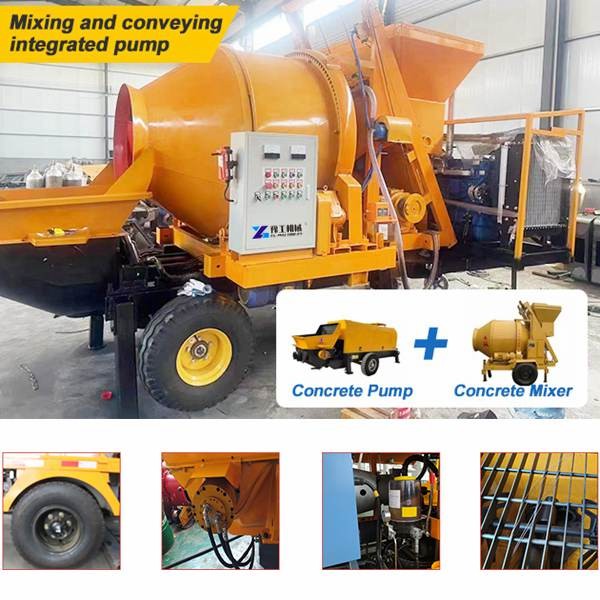

The anti - blockage device acts as a safeguard for the pump machinery. By preventing blockages or quickly resolving them when they occur, it reduces the risk of over - stressing the pump. This increases the lifespan of the pump and reduces maintenance costs. For example, if a blockage is not addressed promptly, it can cause the hydraulic system to overheat. Over time, this can lead to seal failures and damage to the hydraulic pumps. By utilizing an effective anti - blockage device, such issues can be minimized.
Improving Job Site Efficiency
In the construction industry, time is money. Any delay in the concrete pumping process can cause significant disruptions to the overall project timeline. With the anti - blockage device in a small concrete pump, the chances of pipeline blockages are greatly reduced. This means less downtime for the pump, allowing the construction crew to complete their tasks more quickly.
Imagine a situation where a crew is using a Concrete Mixer Pump to plaster the interior walls of a building. Without an anti - blockage device, a single blockage could stop the pumping process for hours while the crew tries to clear it. With the device, any potential blockages are dealt with automatically or with minimal intervention, ensuring that the plastering work can proceed smoothly.
Enhancing Concrete Quality
The quality of the concrete being pumped is also affected by the presence of a blockage. When a blockage occurs, the concrete can experience inconsistent pressure and flow, which can lead to segregation of the aggregates and cement. This results in a non - uniform concrete mixture, which is not ideal for construction purposes.
The anti - blockage device helps to maintain a consistent flow and pressure of the concrete. This ensures that the aggregates, cement, and water remain well - mixed throughout the pumping process. As a result, the concrete that is delivered to the construction site is of a higher quality, with better strength and durability.
Compatibility with Different Concrete Mixes
Small concrete pumps are often used with a variety of concrete mixes, each with its own unique properties. Some mixes may be more prone to blockages than others, depending on the type and size of aggregates used, as well as the water - cement ratio.
The anti - blockage device is designed to be adaptable to different concrete mixes. It can adjust its monitoring parameters based on the characteristics of the concrete being pumped. For example, if a mix with larger aggregates is being used, the device may be set to detect blockages at a lower pressure increase compared to a mix with smaller aggregates. This flexibility allows the small concrete pump to handle a wide range of concrete mixes without the risk of frequent blockages.
Cost - Effectiveness
Investing in a small concrete pump with an anti - blockage device may seem like an additional expense at first. However, in the long run, it is a cost - effective solution. As mentioned earlier, it reduces maintenance costs by protecting the pump machinery. It also saves time on the job site, which means lower labor costs.
Moreover, the high - quality concrete that is pumped due to the anti - blockage device can lead to fewer construction defects. This reduces the need for costly repairs and re - work in the future. For a construction company, these savings can add up significantly over multiple projects.
Conclusion
In conclusion, the anti - blockage device in a small concrete pump plays a crucial role in ensuring the smooth, efficient, and cost - effective operation of the pump. It protects the machinery, improves concrete quality, and enhances job site productivity. As a supplier of Small Concrete Pumps, I understand the importance of this device and always recommend it to our customers.
If you're in the market for a small concrete pump or any related equipment such as Concrete Mixer Pump or Concrete Pump Trailer, and you want a reliable and efficient solution, feel free to reach out to us for more information and to discuss your specific requirements. We're here to help you make the best choice for your construction projects.
References
- Concrete Pump Handbook, various industry publications on concrete pumping technology.
- Manufacturer's manuals for small concrete pumps and their anti - blockage devices.


