

When it comes to emergency response, the use of specialized equipment is crucial to ensure the safety of responders and the public. One such piece of equipment that plays a vital role in many emergency scenarios is the Attenuator Truck. As a leading Attenuator Truck supplier, I am often asked about the requirements for using these trucks in emergency response situations. In this blog post, I will delve into the key requirements that need to be met for the effective and safe use of Attenuator Trucks in emergency response.
1. Regulatory Compliance
The first and foremost requirement for using an Attenuator Truck in emergency response is regulatory compliance. Different regions and countries have specific regulations and standards governing the use of these trucks. These regulations typically cover aspects such as vehicle design, safety features, and operating procedures.
For instance, in the United States, the Federal Highway Administration (FHWA) has established standards for crash cushions used on Attenuator Trucks. These standards ensure that the crash cushions can effectively absorb the energy of a collision and protect the occupants of the following vehicle. It is essential for emergency response teams to ensure that the Attenuator Trucks they use comply with all relevant regulations and standards. Failure to do so can not only result in legal consequences but also put the lives of responders and the public at risk.
2. Operator Training
Another critical requirement for using an Attenuator Truck in emergency response is proper operator training. Operating an Attenuator Truck is not the same as driving a regular vehicle. It requires specialized skills and knowledge to ensure the safe and effective use of the truck.

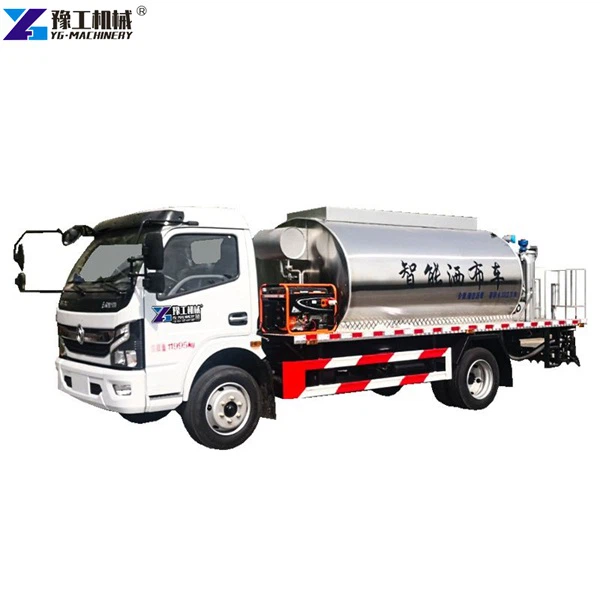
Operators should receive comprehensive training on the following aspects:
- Vehicle Operation: Operators need to be familiar with the controls and functions of the Attenuator Truck. This includes understanding how to operate the crash cushion, how to maneuver the truck in different situations, and how to perform basic maintenance tasks.
- Safety Procedures: Safety is of utmost importance when operating an Attenuator Truck. Operators should be trained on safety procedures such as wearing appropriate personal protective equipment (PPE), following traffic laws, and using proper signaling devices.
- Emergency Response Protocols: In emergency response situations, operators need to know how to respond quickly and effectively. They should be trained on emergency response protocols such as setting up the truck in a safe location, communicating with other responders, and providing assistance to those in need.
Proper operator training not only ensures the safety of the operator but also enhances the overall effectiveness of the emergency response. It is recommended that operators receive regular refresher training to keep their skills up to date.
3. Vehicle Maintenance
Regular vehicle maintenance is essential to ensure the reliability and safety of an Attenuator Truck. An Attenuator Truck that is not properly maintained can malfunction during an emergency response, putting the lives of responders and the public at risk.
The following maintenance tasks should be performed regularly:
- Inspection: The Attenuator Truck should be inspected regularly to check for any signs of damage or wear. This includes inspecting the crash cushion, the vehicle's brakes, tires, and other critical components.
- Repair and Replacement: Any damaged or worn components should be repaired or replaced immediately. This ensures that the truck is in good working condition and can perform its intended function.
- Calibration: The crash cushion on the Attenuator Truck should be calibrated regularly to ensure that it can effectively absorb the energy of a collision. Calibration should be performed by a qualified technician using the appropriate equipment.
By performing regular maintenance tasks, emergency response teams can ensure that their Attenuator Trucks are always ready for use in emergency situations.
4. Compatibility with Emergency Response Needs
When selecting an Attenuator Truck for emergency response, it is important to ensure that the truck is compatible with the specific needs of the emergency response team. Different emergency response scenarios may require different types of Attenuator Trucks.
For example, in a highway construction zone, a high-speed Attenuator Truck may be required to protect workers from high-speed traffic. On the other hand, in a low-speed urban area, a low-speed Attenuator Truck may be more appropriate.
In addition to speed requirements, other factors to consider when selecting an Attenuator Truck include the size and weight of the truck, the type of crash cushion it is equipped with, and the availability of additional features such as lighting and signaling devices.
By selecting an Attenuator Truck that is compatible with the specific needs of the emergency response team, responders can ensure that they have the right equipment to handle any emergency situation.
5. Communication and Coordination
Effective communication and coordination are essential for the successful use of an Attenuator Truck in emergency response. Emergency response teams need to communicate with each other, as well as with other agencies and stakeholders, to ensure that the Attenuator Truck is used in the most effective way possible.
The following communication and coordination measures should be in place:
- Internal Communication: Emergency response teams should have a clear communication plan in place to ensure that all members are aware of the role and location of the Attenuator Truck. This includes using radios, cell phones, or other communication devices to stay in touch.
- External Communication: Emergency response teams should also communicate with other agencies and stakeholders, such as law enforcement, fire departments, and transportation agencies. This ensures that everyone is aware of the presence of the Attenuator Truck and can work together to manage the emergency situation.
- Coordination with Traffic Management: In many emergency response situations, traffic management is a critical issue. Emergency response teams should coordinate with traffic management agencies to ensure that the Attenuator Truck is placed in a location that minimizes the impact on traffic flow.
By having effective communication and coordination measures in place, emergency response teams can ensure that the Attenuator Truck is used in the most effective way possible to protect the safety of responders and the public.
Conclusion
In conclusion, the use of an Attenuator Truck in emergency response requires careful consideration of several key requirements. These include regulatory compliance, operator training, vehicle maintenance, compatibility with emergency response needs, and communication and coordination.
As a [Attenuator Truck supplier], we understand the importance of meeting these requirements to ensure the safety and effectiveness of emergency response operations. We offer a wide range of Attenuator Trucks that are designed to meet the specific needs of emergency response teams. Our trucks are built to the highest standards of quality and safety, and we provide comprehensive training and support to ensure that our customers can use our trucks effectively.
If you are in the market for an Attenuator Truck for your emergency response team, we encourage you to [contact us] to discuss your specific needs. Our team of experts will be happy to assist you in selecting the right truck for your requirements and provide you with all the information you need to make an informed decision.
References
- Federal Highway Administration. (n.d.). Safety Standards for Traffic Control Devices. Retrieved from [Website URL]
- National Fire Protection Association. (n.d.). Standard for Emergency Vehicle Operations. Retrieved from [Website URL]
- Occupational Safety and Health Administration. (n.d.). Safety and Health Standards for Construction. Retrieved from [Website URL]


