

The suspension system of a sanitation vehicle is a crucial component that significantly impacts its performance, durability, and the quality of sanitation operations. As a reputable supplier of sanitation vehicles, I understand the importance of a well - designed suspension system and its role in the overall functionality of these specialized vehicles.
1. Basic Definition and Function of the Suspension System
The suspension system of a sanitation vehicle is a complex set of mechanical components that connect the vehicle's body to its wheels. Its primary functions are to support the vehicle's weight, absorb and dampen shocks and vibrations caused by uneven road surfaces, and maintain contact between the tires and the road. This is essential for ensuring a smooth ride, protecting the vehicle's components from excessive wear and tear, and providing stability during operation.
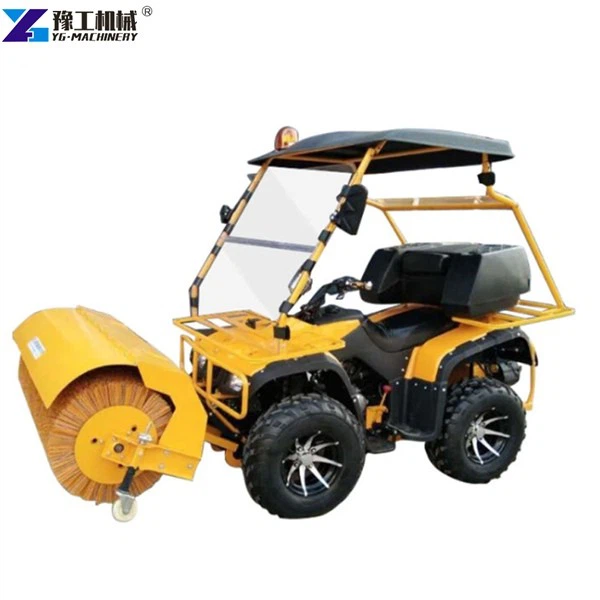
When a sanitation vehicle, such as a Sidewalk Snow Blower, moves on the road, it encounters various obstacles like potholes, bumps, and uneven pavements. Without an effective suspension system, these irregularities would cause the vehicle to bounce violently, leading to discomfort for the operator, potential damage to the vehicle's structure, and reduced efficiency in sanitation tasks.
2. Key Components of the Suspension System in Sanitation Vehicles
Springs
Springs are one of the fundamental components of the suspension system. There are different types of springs used in sanitation vehicles, including coil springs, leaf springs, and air springs.
- Coil Springs: These are commonly used in modern sanitation vehicles. They are made of coiled steel and are known for their ability to provide a smooth and comfortable ride. Coil springs can be designed to have different stiffness levels, which allows for customization based on the vehicle's weight and intended use. For example, a Mini Road Sweeping Machine may use relatively softer coil springs to provide a more agile and comfortable operation on narrow streets.
- Leaf Springs: Leaf springs consist of multiple layers of metal strips (leaves) stacked on top of each other. They are robust and can handle heavy loads, making them suitable for larger sanitation vehicles such as Street Sweeper Trucks. Leaf springs are also relatively simple in design, which means they are easy to maintain and repair.
- Air Springs: Air springs use compressed air to support the vehicle's weight. They offer several advantages, including the ability to adjust the ride height and stiffness according to the load and road conditions. This makes them ideal for sanitation vehicles that may carry varying amounts of waste or debris during their operation.
Shock Absorbers
Shock absorbers, also known as dampers, work in conjunction with the springs to control the movement of the vehicle's suspension. Their main function is to dissipate the energy absorbed by the springs when the vehicle encounters bumps or vibrations. By doing so, shock absorbers prevent the vehicle from bouncing excessively and ensure that the wheels remain in contact with the road surface.
In sanitation vehicles, high - quality shock absorbers are essential, especially when the vehicle is operating on rough or uneven terrain. For instance, a sidewalk snow blower may need effective shock absorbers to handle the uneven surfaces of sidewalks and driveways during snow removal operations.
Control Arms and Linkages
Control arms and linkages are used to connect the wheels to the vehicle's frame and allow for the proper movement of the suspension. They play a crucial role in maintaining the alignment of the wheels and ensuring that the vehicle steers and handles correctly.
In sanitation vehicles, control arms and linkages need to be strong and durable to withstand the forces exerted during normal operation. For example, in a street sweeper truck, the control arms must be able to handle the weight of the sweeping equipment and the forces generated when the vehicle is turning or maneuvering around obstacles.
3. Importance of a Well - Designed Suspension System for Sanitation Vehicles
Operator Comfort
A good suspension system can significantly improve the comfort of the vehicle operator. Sanitation vehicle operators often spend long hours on the road, and a smooth ride can reduce fatigue and increase productivity. For example, a well - designed suspension system in a mini road sweeping machine can make the operator's job more pleasant, especially when operating on bumpy or uneven roads.
Vehicle Durability
By absorbing and dampening shocks and vibrations, the suspension system helps to protect the vehicle's components from damage. This includes the vehicle's frame, engine, and other mechanical parts. A durable suspension system can extend the lifespan of the sanitation vehicle, reducing maintenance costs and downtime.
Sanitation Efficiency
The stability provided by a well - designed suspension system is crucial for the efficient operation of sanitation equipment. For example, in a street sweeper truck, a stable suspension system ensures that the sweeping brushes and suction nozzles remain in contact with the road surface, improving the effectiveness of the sweeping operation.
4. Considerations for Selecting the Right Suspension System for Sanitation Vehicles
Vehicle Type and Application
Different types of sanitation vehicles have different requirements for their suspension systems. For example, a sidewalk snow blower needs a suspension system that can handle the uneven surfaces of sidewalks and provide good maneuverability. On the other hand, a large street sweeper truck requires a suspension system that can support the weight of the sweeping equipment and maintain stability during high - speed operation on roads.
Load Capacity
The load capacity of the sanitation vehicle is an important factor to consider when selecting a suspension system. Vehicles that carry heavy loads, such as garbage trucks, need a suspension system that can handle the additional weight without compromising performance.
Road Conditions
The road conditions in which the sanitation vehicle will operate also play a role in determining the appropriate suspension system. If the vehicle will be operating on rough or unpaved roads, a more robust suspension system with higher shock - absorbing capabilities may be required.

5. Maintenance of the Suspension System in Sanitation Vehicles
Regular maintenance of the suspension system is essential to ensure its proper functioning. This includes inspecting the springs, shock absorbers, control arms, and linkages for signs of wear and damage. Any worn or damaged components should be replaced promptly to prevent further damage to the suspension system and the vehicle as a whole.
It is also important to keep the suspension system clean and lubricated. Dirt and debris can accumulate on the components, causing them to wear out more quickly. Regular cleaning and lubrication can help to extend the lifespan of the suspension system.
6. Conclusion and Call to Action
In conclusion, the suspension system of a sanitation vehicle is a critical component that affects the vehicle's performance, durability, and the efficiency of sanitation operations. As a leading supplier of sanitation vehicles, we understand the importance of providing vehicles with high - quality suspension systems. Our vehicles, including Sidewalk Snow Blowers, Mini Road Sweeping Machines, and Street Sweeper Trucks, are equipped with state - of - the - art suspension systems that are designed to meet the specific needs of our customers.
If you are in the market for a sanitation vehicle or are looking to upgrade your existing fleet, we invite you to contact us for more information. Our team of experts can help you select the right vehicle and suspension system for your specific requirements. We are committed to providing you with the best - quality products and services to ensure the success of your sanitation operations.
References
- Automotive Engineering Handbook, Society of Automotive Engineers
- Principles of Vehicle Dynamics, Thomas D. Gillespie


