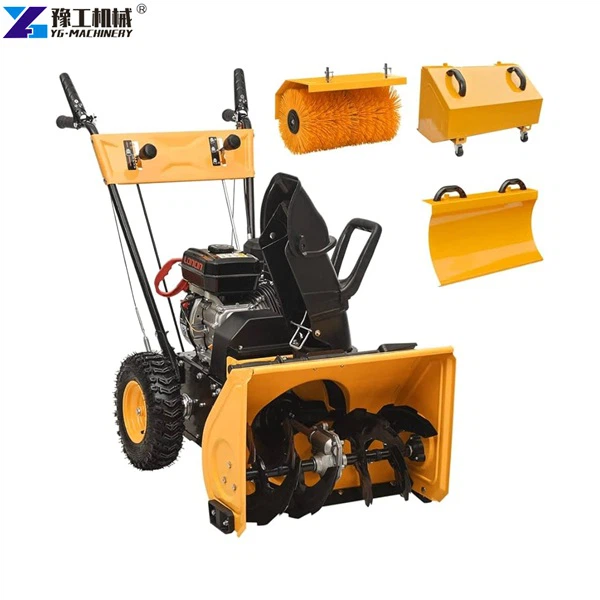
Hey there! I'm a supplier of sanitation vehicles, and today I wanna chat about the storage requirements for these bad - boys. Sanitation vehicles come in all shapes and sizes, from Snow Sweeper Machine to Mini Street Cleaner and Mini Road Sweeper. Each type has its own set of needs when it comes to storage, so let's dig in!
Location, Location, Location
First off, the location where you store your sanitation vehicles is super important. You wanna find a spot that's dry and protected from the elements. A garage or a covered storage facility is ideal. If you gotta keep them outside, at least use a good quality vehicle cover. Exposure to rain, snow, and extreme sunlight can cause a whole bunch of problems.
Rain can lead to rust on the metal parts of the vehicles. The moisture seeps into the nooks and crannies, and before you know it, you've got rust spots that can weaken the structure. Snow is even worse. Not only does it add extra weight on the vehicle, but the salt used on roads during winter can accelerate corrosion. And sunlight? Well, it can fade the paint and damage the rubber components like seals and hoses.
Space Considerations
Sanitation vehicles aren't small, so you need to make sure you have enough space for them. You don't want them to be cramped up, as this can lead to accidental damage when you're trying to move them in and out. Each vehicle should have enough room around it so that you can easily access all sides for maintenance and cleaning.
For larger vehicles like garbage trucks, you need to account for their length and width. They also have big lifting arms and other equipment that need space to operate without hitting anything. Smaller vehicles like Mini Street Cleaner are more maneuverable, but they still need their own space to avoid getting bumped or scratched.
Ventilation
Good ventilation is a must in the storage area. Sanitation vehicles often carry waste, chemicals, and other substances that can produce fumes. These fumes can be harmful to both the vehicle and anyone who enters the storage area. If the fumes build up, they can corrode the interior of the vehicle and damage the electrical components.
Proper ventilation helps to remove these fumes and keep the air fresh. You can install exhaust fans or open windows and doors to allow for air circulation. This is especially important if you're storing vehicles that use diesel engines, as diesel fumes are not only smelly but also toxic.
Cleaning Before Storage
Before you park your sanitation vehicles for an extended period, you need to give them a thorough cleaning. Remove all the waste and debris from the collection bins, hoppers, and other parts of the vehicle. This prevents the growth of bacteria and mold, which can cause unpleasant odors and damage the vehicle's interior.
Clean the exterior of the vehicle as well. Wash off any dirt, mud, or chemicals that may have stuck to it during operation. Pay special attention to the wheels, as dirt and grime can accumulate and cause uneven wear. After washing, dry the vehicle completely to prevent rust.
Fluid Checks and Maintenance
It's important to check the fluids in your sanitation vehicles before storage. This includes the engine oil, coolant, brake fluid, and hydraulic fluid. Make sure the levels are correct and that there are no leaks. If the fluids are low, top them up. If there are leaks, fix them before storing the vehicle.
You should also change the engine oil if it's due for a change. Old oil can break down over time and cause damage to the engine. And don't forget to check the battery. If you're storing the vehicle for a long time, it's a good idea to disconnect the battery to prevent it from draining.
Tire Care
The tires on sanitation vehicles take a lot of wear and tear. Before storage, check the tire pressure and make sure it's at the recommended level. Under - inflated tires can develop flat spots when the vehicle is parked for a long time, and over - inflated tires can be more prone to blowouts.
You can also rotate the tires to ensure even wear. If possible, lift the vehicle off the ground slightly so that the tires aren't bearing the full weight of the vehicle. This helps to prevent flat spots and extends the life of the tires.
Security
Security is another important aspect of storing sanitation vehicles. These vehicles are valuable assets, and you don't want them to be stolen or vandalized. Install a security system in the storage area, such as alarms and cameras. Make sure the area is well - lit at night, as this can deter potential thieves.
If the storage area has a gate, keep it locked at all times. Only authorized personnel should have access to the vehicles. This helps to prevent unauthorized use and reduces the risk of damage.
Regular Inspections
Even when your sanitation vehicles are in storage, you should conduct regular inspections. Check for any signs of damage, such as leaks, rust, or loose parts. Look for pests that may have made their way into the vehicle, as they can chew on wires and cause electrical problems.
Inspect the tires for any signs of cracking or bulging. Check the battery to make sure it's still in good condition. These regular inspections can help you catch any problems early and prevent them from turning into major issues.

Documentation
Keep detailed records of the storage conditions, maintenance, and inspections of your sanitation vehicles. This documentation can be useful for warranty claims, insurance purposes, and for keeping track of the vehicle's history. You can use a simple spreadsheet or a more advanced asset management system to record all the information.
Conclusion
So, there you have it - the storage requirements for sanitation vehicles. Taking care of these requirements can extend the life of your vehicles, reduce maintenance costs, and keep them in top - notch condition. If you're in the market for sanitation vehicles or need advice on storage and maintenance, don't hesitate to reach out. I'm here to help you make the best decisions for your sanitation vehicle needs. Whether you're looking for a Snow Sweeper Machine, a Mini Street Cleaner, or any other type of sanitation vehicle, we've got you covered. Contact us today to start the conversation about your procurement needs!
References
- "Vehicle Maintenance and Storage Guide" - General Automotive Publications
- "Sanitation Vehicle Operations and Maintenance Manual" - Industry - specific Handbook