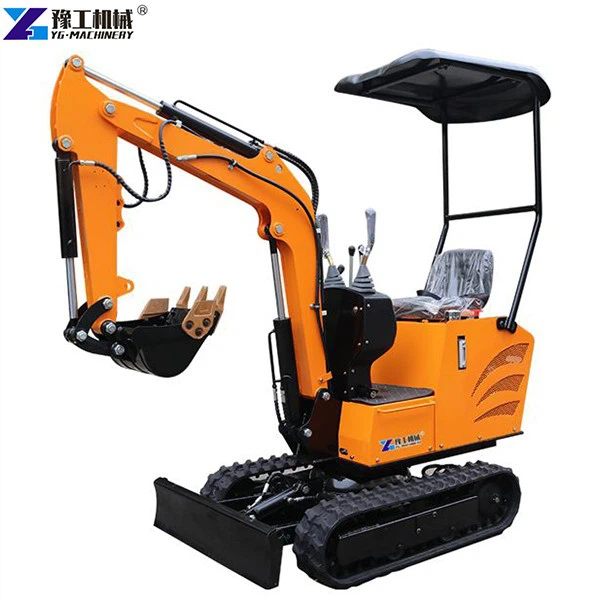
When it comes to the construction and landscaping industries, 1.2 Tonne Excavators have emerged as indispensable tools. As a supplier of these compact yet powerful machines, I often encounter inquiries about their capabilities, with one question standing out: What is the maximum loading height of a 1.2 Tonne Excavator? In this blog post, I'll delve into this topic, providing you with a comprehensive understanding of the factors that influence the maximum loading height and what you can expect from our 1.2 Tonne Excavators.
Understanding the 1.2 Tonne Excavator
Before we dive into the maximum loading height, let's take a moment to understand what a 1.2 Tonne Excavator is. These excavators are part of the mini - excavator category, designed for projects where space is limited, such as small construction sites, residential landscaping, and utility work. Their compact size allows them to maneuver easily in tight spaces, while still offering sufficient power to handle a variety of tasks.
Our 1.2 Tonne Excavators are equipped with advanced hydraulic systems, which provide smooth and precise operation. They come with a range of attachments, such as buckets, breakers, and augers, making them versatile for different applications. Whether you're digging trenches, breaking concrete, or planting trees, our 1.2 Tonne Excavators can get the job done efficiently.
Factors Affecting the Maximum Loading Height
The maximum loading height of a 1.2 Tonne Excavator is not a fixed value; it is influenced by several factors.
Boom and Arm Design
The design of the boom and arm is one of the most significant factors. The boom is the long, vertical part of the excavator, while the arm is the shorter, horizontal part that attaches to the boom. A longer boom and arm combination will generally allow for a greater loading height. Our 1.2 Tonne Excavators are engineered with optimized boom and arm lengths to provide a good balance between reach and loading height.
Hydraulic System
The hydraulic system plays a crucial role in determining the maximum loading height. A more powerful hydraulic system can lift heavier loads to greater heights. Our excavators are equipped with high - performance hydraulic pumps and cylinders, which ensure smooth and efficient lifting operations. The hydraulic system is also designed to provide precise control, allowing operators to position the load accurately at the desired height.

Counterweight
Counterweights are used to balance the excavator when lifting heavy loads. A properly sized counterweight is essential for maintaining stability during lifting operations. If the counterweight is too small, the excavator may tip over when trying to lift a load to a high height. Our 1.2 Tonne Excavators are equipped with carefully calibrated counterweights to ensure safe and stable lifting at maximum loading heights.
Attachment Type
The type of attachment used can also affect the maximum loading height. Different attachments have different weights and geometries, which can impact the excavator's lifting capacity and reach. For example, a large bucket may reduce the maximum loading height compared to a smaller, lighter attachment. It's important to choose the right attachment for the task at hand to optimize the excavator's performance.
Determining the Maximum Loading Height
To determine the maximum loading height of a 1.2 Tonne Excavator, manufacturers conduct extensive testing under various conditions. These tests take into account the factors mentioned above to establish a safe and reliable maximum loading height.
The maximum loading height is usually specified in the excavator's technical documentation. It is typically measured from the ground level to the highest point that the attachment can reach when fully extended. However, it's important to note that this value is based on ideal conditions, such as a flat and stable surface, and a load within the excavator's rated capacity.
In real - world applications, the actual maximum loading height may be slightly lower due to factors such as uneven terrain, wind resistance, and the operator's skill level. It's always recommended to consult the excavator's manual and follow the manufacturer's guidelines when operating the machine.
Comparing with Other Mini - Excavators
When considering a 1.2 Tonne Excavator, it's useful to compare its maximum loading height with other similar machines in the market. For example, the Mini Garden Digger is another popular option in the mini - excavator category. While it may have a different design and specifications, comparing the maximum loading heights can help you make an informed decision based on your specific needs.
Similarly, the 1.5 Ton Excavator and the 1 Ton Mini Excavator offer different capabilities. The 1.5 Ton Excavator may have a higher maximum loading height due to its larger size and more powerful hydraulic system, while the 1 Ton Mini Excavator may be more suitable for extremely tight spaces but may have a lower maximum loading height.
Applications of the Maximum Loading Height
The maximum loading height of a 1.2 Tonne Excavator has several practical applications.
Loading Trucks
One of the most common applications is loading trucks. Whether it's loading soil, gravel, or construction debris, the excavator needs to be able to reach the height of the truck bed. Our 1.2 Tonne Excavators are designed to have a sufficient maximum loading height to easily load most standard - sized trucks, improving the efficiency of material handling operations.
Placing Materials at Height
In construction projects, there may be a need to place materials, such as concrete blocks or steel beams, at a certain height. The maximum loading height of our excavators allows for precise placement of these materials, reducing the need for additional equipment or manual labor.
Landscaping
In landscaping projects, the excavator may be used to place large rocks or trees at elevated positions. The ability to reach a good maximum loading height enables landscapers to create more interesting and dynamic landscapes.
Contact Us for More Information
If you're in the market for a 1.2 Tonne Excavator and have questions about the maximum loading height or any other aspect of our products, we'd love to hear from you. Our team of experts is available to provide you with detailed information, answer your questions, and help you choose the right excavator for your needs. Whether you're a small - scale contractor, a landscaper, or a DIY enthusiast, our 1.2 Tonne Excavators can be a valuable addition to your equipment fleet.
References
- Manufacturer's technical documentation for 1.2 Tonne Excavators
- Industry standards and guidelines for mini - excavator operation
- Construction and landscaping industry research reports