

As a leading supplier of 1.2 Tonne Excavators, I've received numerous inquiries about the noise level inside the cab of these machines. This blog aims to provide a comprehensive understanding of the noise levels, the factors influencing them, and how we address these concerns to ensure operator comfort and safety.
Understanding Noise Levels in 1.2 Tonne Excavators
The noise level inside the cab of a 1.2 Tonne Excavator is a critical aspect that affects the operator's well - being and productivity. Noise is measured in decibels (dB), and continuous exposure to high noise levels can lead to hearing loss, stress, and fatigue.
Typically, the noise level inside the cab of a 1.2 Tonne Excavator can range from 70 dB to 85 dB. However, this range can vary depending on several factors.
Factors Influencing Noise Levels
Engine Noise
The engine is one of the primary sources of noise in an excavator. A 1.2 Tonne Excavator usually has a small - to medium - sized engine. The power output and the type of engine can significantly impact the noise level. Diesel engines, which are commonly used in these excavators, tend to be noisier than gasoline engines. The combustion process in a diesel engine produces more vibration and noise. Engine speed also plays a crucial role. Higher engine speeds result in louder noise levels. When the excavator is working under heavy load, the engine has to work harder, increasing the RPM (revolutions per minute) and thus the noise.
Hydraulic System Noise
The hydraulic system is another major contributor to the noise inside the cab. The hydraulic pump, valves, and cylinders generate noise as they operate. When the hydraulic fluid is pressurized and flows through the system, it creates turbulence and vibration, which are transmitted as noise. The quality of the hydraulic components and the design of the hydraulic circuit can affect the noise level. A well - designed hydraulic system with high - quality components will produce less noise compared to a poorly designed one.
External Environment Noise
The working environment of the excavator can also influence the noise level inside the cab. If the excavator is working on a hard surface such as concrete or rock, the impact of the bucket on the surface can generate a significant amount of noise. Similarly, if the excavator is working in a noisy construction site with other heavy machinery operating nearby, the external noise can penetrate the cab and increase the overall noise level.
Our Approach to Reducing Noise Levels
As a supplier of 1.2 Tonne Excavators, we understand the importance of reducing noise levels inside the cab. We have implemented several measures to address this issue.
Engine Design and Isolation
We use advanced engine technologies to reduce noise emissions. Our engines are designed with noise - reducing features such as improved combustion chambers and optimized fuel injection systems. Additionally, we use engine mounts that isolate the engine from the cab structure, reducing the transmission of engine vibration and noise. These mounts are made of high - quality rubber or other damping materials that absorb the vibrations and prevent them from reaching the cab.
Hydraulic System Optimization
We invest in research and development to optimize our hydraulic systems. We use high - precision hydraulic components that are designed to operate quietly. Our hydraulic pumps are engineered to minimize turbulence and vibration, and the valves are designed to provide smooth and quiet operation. We also use hydraulic hoses with noise - reducing properties to further reduce the noise generated by the hydraulic system.
Cab Insulation
Our cabs are equipped with high - quality insulation materials. These materials are designed to absorb and block noise from the engine, hydraulic system, and external environment. The insulation is installed on the walls, floor, and ceiling of the cab, creating a quiet and comfortable working environment for the operator. The insulation materials are also fire - resistant and durable, ensuring long - term performance.
Comparing with Other Excavator Models
It's interesting to compare the noise levels of our 1.2 Tonne Excavators with other models in our product range. For instance, our 1.8 Tonne Excavator is slightly larger and more powerful than the 1.2 Tonne model. Due to its larger engine and more extensive hydraulic system, it generally has a slightly higher noise level. However, we have also applied similar noise - reduction technologies to ensure that the noise level inside the cab is still within acceptable limits.
Our 2 Ton Excavator is even more powerful and has a larger engine and hydraulic system. But again, through continuous improvement in design and technology, we have managed to keep the noise level in check. On the other hand, our 1 Ton Mini Excavator is smaller and less powerful, and it typically has a lower noise level compared to the 1.2 Tonne model.
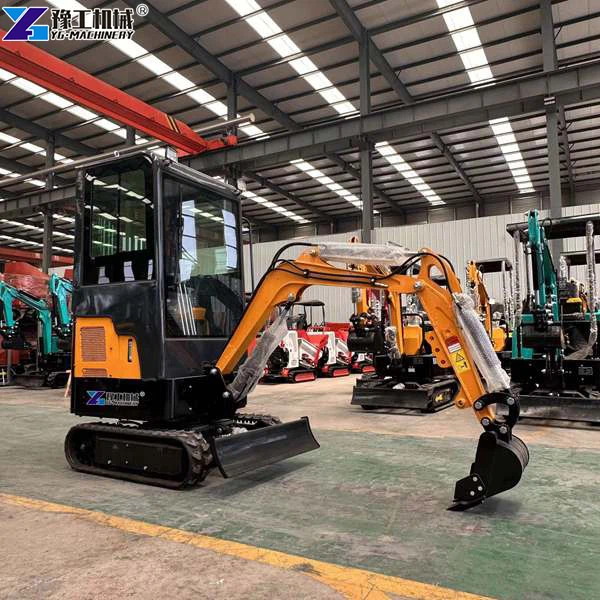

Importance of Low Noise Levels for Operators
Low noise levels inside the cab are not only beneficial for the operator's health but also for productivity. Operators who are exposed to high noise levels for extended periods are more likely to experience hearing loss, stress, and fatigue. These factors can lead to reduced concentration and performance, increasing the risk of accidents. By providing a quiet working environment, our excavators allow operators to focus on their tasks more effectively, improving productivity and safety on the job site.
Contact Us for Procurement
If you are interested in our 1.2 Tonne Excavators or have any questions about the noise levels or other features, we encourage you to contact us for a procurement discussion. We have a team of experts who can provide you with detailed information and help you choose the right excavator for your needs. Whether you are a small construction company or a large infrastructure developer, we have the products and services to meet your requirements.
References
- "Noise Control in Construction Equipment", Construction Equipment Technology Journal, Volume 12, Issue 3
- "Hydraulic System Design for Noise Reduction", Journal of Hydraulic Engineering, Volume 25, Issue 4
- "Engine Noise Reduction Technologies in Small - to Medium - Sized Machinery", Machinery Engineering Review, Volume 18, Issue 2


