

What is the hydraulic flow rate of a mini excavator?
As a supplier of mini excavators, I often encounter inquiries about various technical specifications of these machines, and one question that frequently comes up is about the hydraulic flow rate. In this blog post, I'll delve into what the hydraulic flow rate of a mini excavator is, why it matters, and how it varies across different models.
Understanding Hydraulic Flow Rate
The hydraulic flow rate, measured in liters per minute (LPM) or gallons per minute (GPM), refers to the volume of hydraulic fluid that the pump in a mini excavator can deliver within a specific time frame. This fluid is the lifeblood of the excavator's hydraulic system, which powers essential functions such as the movement of the boom, arm, bucket, and other attachments.
Think of the hydraulic system as the circulatory system of the mini excavator. Just as blood needs to flow at an appropriate rate to keep our bodies functioning, hydraulic fluid must flow at the right rate to ensure the smooth operation of the excavator's components. A higher flow rate generally means that the machine can perform tasks more quickly, as it can move the hydraulic cylinders and actuators at a faster pace.
Importance of Hydraulic Flow Rate
The hydraulic flow rate is crucial for several reasons. Firstly, it directly impacts the productivity of the mini excavator. For instance, when digging, a higher flow rate allows the bucket to penetrate the ground faster and lift more material in a shorter time. This is especially important in large - scale excavation projects where time is of the essence.
Secondly, the flow rate affects the compatibility of attachments. Different attachments, such as breakers, augers, and grapples, require specific flow rates to operate optimally. If the flow rate of the excavator is too low, the attachment may not function properly, leading to reduced performance and potential damage. On the other hand, if the flow rate is too high, it can cause excessive wear and tear on the attachment and the hydraulic system.
Factors Affecting Hydraulic Flow Rate
Several factors can influence the hydraulic flow rate of a mini excavator. The size and power of the hydraulic pump are primary determinants. Larger pumps can generally deliver a higher flow rate, but they also consume more power. The engine power of the excavator is also a limiting factor, as the engine needs to provide enough energy to drive the hydraulic pump.
The design of the hydraulic system, including the size and length of the hoses and the type of valves used, can also affect the flow rate. Restrictions in the hoses or inefficient valves can reduce the flow rate and cause pressure drops, which in turn can lead to decreased performance.
Hydraulic Flow Rate in Different Mini Excavator Models
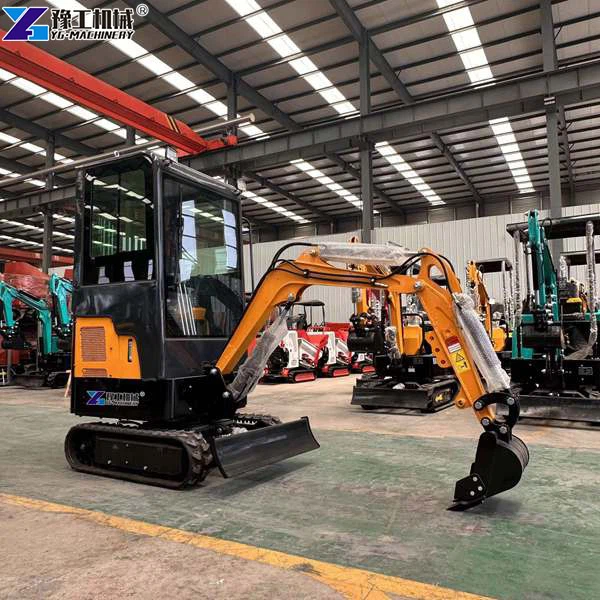
Let's take a look at how the hydraulic flow rate varies across different models of mini excavators. Our 1.8 Tonne Excavator is designed for light - to - medium - duty tasks. It typically has a hydraulic flow rate in the range of 30 - 50 LPM (8 - 13 GPM). This flow rate is sufficient for most common excavation tasks, such as digging small trenches or moving light loads.
The 2 Ton Excavator, on the other hand, is a bit more powerful and is suitable for more demanding applications. It usually has a hydraulic flow rate between 40 - 60 LPM (10 - 16 GPM). This higher flow rate allows it to handle larger attachments and perform tasks more efficiently.
Our Electric Mini Digger offers a unique combination of environmental friendliness and performance. The hydraulic flow rate of the electric mini digger can vary depending on the specific model and its power output. Generally, it falls within a similar range to the diesel - powered models, but with the added benefit of lower noise and zero emissions.
Selecting the Right Mini Excavator Based on Hydraulic Flow Rate
When choosing a mini excavator, it's essential to consider the hydraulic flow rate based on your specific needs. If you primarily work on small - scale projects with light attachments, a mini excavator with a lower flow rate may be sufficient. However, if you need to use heavy - duty attachments or work on large - scale projects, you'll likely need a machine with a higher flow rate.
It's also important to consult with our team of experts. We can help you assess your requirements and recommend the most suitable mini excavator model based on the hydraulic flow rate and other technical specifications.
Conclusion
In conclusion, the hydraulic flow rate is a critical aspect of a mini excavator's performance. It affects the productivity, attachment compatibility, and overall efficiency of the machine. By understanding the concept of hydraulic flow rate and how it varies across different models, you can make an informed decision when purchasing a mini excavator.
If you're interested in learning more about our mini excavators or have any questions regarding hydraulic flow rates, we'd be more than happy to assist you. Contact us today to start a discussion about your excavation needs and find the perfect mini excavator for your projects.

References
- "Hydraulic Systems in Construction Equipment" - A technical manual on hydraulic principles in construction machinery.
- Manufacturer's specifications for various mini excavator models.


