
Sanitation Vehicles
Why Choose Us
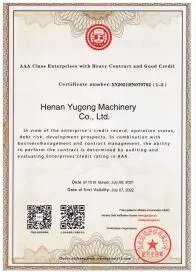
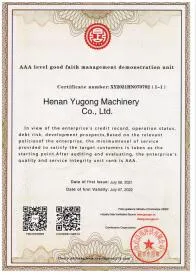
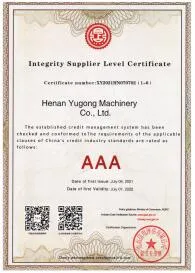
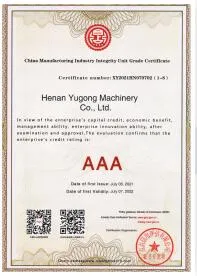
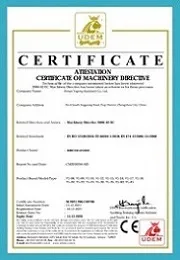
Our Certificate
ISO certification, CE certification, EPA Certification
Product Application
We have 8 product series and more than 100 products, covering industries such as bridges and tunnels, highways, light rail and high-speed rail, and mining.
Production Equipment
We have CNC cutting machines, welding machines, spraying lines, processing machine tools, etc. to ensure the efficient production of various types of construction machinery products.
Production Market
Our machines have been exported to many countries, including United States, Canada, Germany, France, United Kingdom, Greece, Netherlands, Italy, Brazil, Mexico, Argentina, Saudi Arabia, United Arab Emirates, etc.
What is Sanitation Vehicles
Sanitation truck is a kind of special-purpose vehicle, which is mainly used for urban environmental health management, municipal road maintenance, garbage disposal and urban sanitation.


Advantages of Sanitation Vehicles
Easy to move and work continuously
Sanitation vehicles can work across areas and scales, realizing automated work 24 hours a day.
Improved operational efficiency
Compared to manual cleaning, sanitation vehicles are more efficient and can do more work per unit of time.
Personalization
Some sanitation trucks can be customized in color to adapt to different environments and garbage collection needs.
Wide range of applications
The design of the sanitation truck makes it easy to adapt to different environments such as city roads and narrow sidewalks.
Multi-functionality
Not only limited to urban sanitation cleaning, but also can be used in construction field, domestic wastewater treatment, sewer pipe sludge cleaning, etc.
Easy operation
Especially suitable for older sanitation workers, so that they can quickly learn to operate and improve the cleaning efficiency.
Environmental performance
Many sanitation vehicles are designed to take into account the needs of environmental protection, such as the lid of the bucket closed design can prevent odor emission, the bucket can be stacked on top of each other, easy to transport, save storage and transportation space and cost.
Durability and Convenience
Many sanitation vehicles are made of acid, alkali and corrosion-resistant materials, with a one-piece molded plastic structure, which makes the vehicle tough and durable and resistant to all kinds of external impacts, in addition, the vehicle's design is ergonomic, lightweight, durable and flexible movement.
Cityscape Improvement
The extensive use of sanitation vehicles helps to improve the overall environment and cityscape of the city. Through regular cleaning and maintenance work, the garbage and dirt on the road can be effectively removed, improving the overall image of the city and the quality of life of residents.
Sanitation vehicles play an indispensable role in city construction.
Sanitation vehicles, especially pure electric sanitation vehicles, play a vital role in maintaining urban hygiene and city appearance. They are not only responsible for sweeping roads, removing garbage and maintaining the hygienic condition of the city, but also an important tool for realizing green, environmental protection and sustainable development of the city. With the advancement of urbanization and the improvement of people's requirements for environmental quality, sanitation vehicles and their equipment are being integrated, environmentally friendly, diversified, humanized. digitalization and intelligence.
The use of purely electric sanitation vehicles, such as purely electric flushing vehicles and purely electric short barge collection and transportation vehicles, further improves the operational efficiency and energy level, reduces noise pollution and realizes the "silent" cleaning mode. The use of sanitation vehicles, such as pure electric washing vehicles and pure electric barge collection vehicles, further improves operational efficiency and energy level, reduces noise pollution and realizes the "silent" cleaning mode, while reducing exhaust emissions and helping to protect the environment. These vehicles are compact and light, flexible and easy to operate, with the advantages of low energy consumption and low cost, greatly improving the efficiency and energy level of the operation. It also meets the requirements of green environmental protection.
The upgrading of sanitation vehicles also includes development in the direction of digitalization and intelligence to meet the needs of urban modernization and improve the quality of the urban environment. These measures together contribute to the creation of a "green sanitation" city card and the protection of the green ecology of blue water and green mountains.
Sanitation vehicles, also known as a garbage truck or a waste collection vehicle, is a specialized truck designed for the collection and transportation of waste materials from residential, commercial, and industrial areas to the disposal sites. These vehicles play a crucial role in maintaining cleanliness and hygiene in urban areas by effectively managing and disposing of waste.
The current outlook of the Sanitation vehicles market is growing steadily. The increasing urbanization and population growth across the globe have led to a rise in waste generation, thereby driving the demand for efficient waste management systems. Governments and municipalities are focusing on implementing sustainable waste disposal practices, leading to the adoption of advanced and eco-friendly sanitation vehicles.
Furthermore, technological advancements have allowed the development of smart garbage trucks equipped with advanced features such as automated waste collection, real-time tracking, and remote controlling systems, enhancing the efficiency and effectiveness of waste management operations. These vehicles help in minimizing operational costs, reducing environmental pollution, and promoting recycling and waste segregation.


The future of the Sanitation vehicles market looks promising. The growing awareness about the environmental impact of improper waste disposal and the need for sustainable waste management practices are expected to drive the market growth. Additionally, stringent government regulations and initiatives promoting waste recycling and resource recovery are further propelling the demand for advanced sanitation vehicles.
The market is witnessing a trend towards the adoption of electric or hybrid sanitation vehicles, which offer lower emissions, reduced noise pollution, and increased energy efficiency. Moreover, the integration of artificial intelligence and IoT technologies in sanitation vehicles is expected to revolutionize waste management operations by enabling predictive maintenance, route optimization, and data-driven decision-making.
According to the forecasted period, the Sanitation vehicles market is expected to grow at a Compound Annual Growth Rate (CAGR) of 9%. This growth can be attributed to the increasing urbanization, rising waste generation, and the need for sustainable waste management solutions. The market is anticipated to witness significant opportunities and innovations in the coming years, driven by technological advancements and environmental concerns.
What are the Emerging Trends in the Global Municipal Sanitation Vehicle market?
Some emerging trends in the global Sanitation vehicles market include the increasing adoption of electric and hybrid vehicles to reduce carbon emissions and improve fuel efficiency. There is also a growing focus on implementing smart technologies and automation in sanitation vehicles to enhance operational efficiency and optimize waste collection routes. Additionally, there is a rising demand for compact and maneuverable vehicles capable of navigating narrow urban streets. Furthermore, manufacturers are incorporating advanced sensors and monitoring systems to improve safety and prevent accidents during waste collection operations.
Maintenance of Sanitation Vehicles
Cleaning and maintenance
Regularly clean the vehicle body, compartments and mechanical parts, remove garbage residues and dirt, and keep the whole vehicle in hygienic and good working condition.
Lubrication Maintenance
Regularly check and add lubricating oil, including engine oil, transmission oil, hydraulic oil, etc., to ensure good lubrication of all parts and reduce wear and friction. friction.
Tire Maintenance
Regularly check the tire pressure and wear of the tires to maintain proper tire pressure and reasonable wear to avoid excessive tire wear and flat tires.
Battery Maintenance
Regularly check the battery charge and electrolyte level to keep the battery working properly and ensure the normal operation of the starting and power supply system.
Brake Maintenance
Regularly check the working condition of the brake system, including brake pads, brake fluid, brake discs, etc. to ensure the reliability and safety of the brake system.
Engine Maintenance
Regularly replace air filter, fuel filter and oil filter to keep the engine clean and working properly and reduce failure and damage.
Regular Inspection
Regularly inspect all parts of the vehicle, including the hydraulic system, circuit system, transmission system, etc., to detect problems and repair and replace them in time.
Regular Maintenance
Perform regular maintenance and servicing, including replacing parts, adjusting and calibrating the system, etc., according to the vehicle owner's manual or manufacturer's requirements.
Precautions for the Use of Sanitation Vehicles
Checking and adjusting the braking system: In a high-temperature environment, the brake fluid is easy to evaporate and vaporize, forming an air resistance, resulting in brake failure. Therefore, the braking system of sanitation vehicles should be checked and adjusted in time to ensure good braking performance.
Prevent oil and water evaporation: In hot weather, oil and water evaporation speed up, you need to check the water level of the water tank, crankcase oil oil level, brake fluid level in the brake master cylinder and the height of electrolyte density and liquid level in the battery. Electrolyte density and fluid level height, and add and adjust in time.
Prevent fuel gas resistance: Under high temperature conditions, fuel evaporation speed up, easy to form gas resistance in the oil circuit, resulting in insufficient oil supply. The fuel filter should be cleaned in time to ensure that the fuel line is smooth and measures should be taken to prevent gas resistance.
Prevent the mixture from being too thick: At high temperatures, the gasoline flow increases and is easy to evaporate, resulting in too thick a mixture. The volume hole should be adjusted down, the position of the acceleration device connected to the throttle rocker arm should be adjusted, and the height of the oil level in the float chamber should be appropriately lowered in order to reduce the amount of oil supplied.
Pay attention to check the engine combustion: Hot weather, the engine is prone to overheating, should pay attention to the fan belt can not be stained with oil to prevent slipping, and keep the belt loose and tight to the right degree. In order to prevent the engine from being scrapped.
Pay attention to the tire pressure and tire temperature: When driving under high temperature conditions, you should pay attention to the temperature and air pressure of the tires, often check to ensure that the prescribed air pressure standards, if found to be short of air in a timely manner to make up for.
Skillful use of lights and honk the horn: When driving in foggy days, you can not turn on high beams, should slow down and keep a distance between cars, pay attention to check whether the tire pressure is appropriate to affect the life of the tire and driving safety.
Comply with traffic rules: Drivers should comply with traffic rules, do not speed, do not go against the traffic, keep a safe distance and try to avoid collision with other vehicles.
Regularly inspect the vehicle: Regularly inspect the brake system, light system and drive system of the vehicle, etc. to ensure their normal operation. Clean the reflectors and windshields on the exterior of the vehicle frequently to maintain good visibility.
Standardize operation management: Strictly implement the provisions of civilized and standardized operation of sanitation vehicles to ensure safety and operation quality, abide by the provisions of operation time, and avoid operation during peak hours so as not to affect the traffic.
Our factory
Yugong has 8 major factories and many cooperative manufacturers. Our advanced production factory located in a spacious modern industrial park. Our factory facilities and equipment are carefully designed to meet the needs of efficient production and quality products. Yugong is able to provide high-quality, reliable construction machinery products. We will continue to work hard to provide customers with excellent products and services, and work with them to achieve the success of engineering projects.


Certificate