
Spider Lift
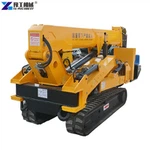
A spider lift is a self-propelled boom-type mobile elevating work platform which is designed to be light in weight, as compact as possible, and uses 4 stabilizer legs to achieve stability and levelling. They are designed for maneuvering high elevations and hard-to-reach spots, like narrow alleyways and uneven ground. Spider lifts can serve both indoor and outdoor applications, seamlessly reaching areas with overhead obstructions and accessibility challenges. Their outreach can exceed their height, letting them work around buildings, trees and other obstacles.
Benefits of Spider Lift
Compact Design
Spider lifts are compact and light, allowing them to fit through standard doorways, navigate tight spaces, climb steep slopes and maintain stability on irregular surfaces. You can work in various terrains and job sites, maneuvering to stable, comfortable and convenient positions to perform aerial tasks. Their compact design also makes them easy to store when not in use.
Stability
Spider lifts feature outriggers that extend from the base of the machine, ensuring stability even on uneven or sloping ground. This stability allows arborists to work with confidence at various heights without compromising safety. Additionally, spider lifts often come equipped with safety features such as emergency stop buttons, platform interlocks, and fall arrest systems, further prioritizing the well-being of the operators.
Flexibility
Spider lifts are adaptable machines. Their arms are equipped with hinges that provide flexibility in applications. Furthermore their adaptable design allows them to navigate around obstacles effortlessly which them suitable for a range of tasks such as tree care and building maintenance.
Versatility
Spider lifts can tackle a variety of tasks, allowing you to complete a wide array of jobs. They also have a low ground pressure, letting them work on soft or uneven surfaces without inflicting damage. For these reasons, spider lifts are used across multiple industries, including landscaping, facility maintenance, stadium upkeep and construction.


Why Choose Us
Product Application
We have 8 product series and more than 100 products, covering industries such as bridges and tunnels, highways, light rail and high-speed rail, and mining.
Production Equipment
We have CNC cutting machines, welding machines, spraying lines, processing machine tools, etc. to ensure the efficient production of various types of construction machinery products.
Production Market
Our machines have been exported to many countries, including United States, Canada, Germany, France, United Kingdom, Greece, Netherlands, Italy, Brazil, Mexico, Argentina, Saudi Arabia, United Arab Emirates, etc.
Our Service
From pre-sales technical consultation to after-sales maintenance, we always put the interests of our customers first and provide customers with meticulous and considerate services. Our dedicated technical team offers professional guidance and expertise.
How Does a Spider Lift Work?
A spider lift typically has four hydraulic cylinders that control the movement of the arm and platform. The cylinders are located at the base of the unit, near the wheels. The operator uses a control panel to extend or retract the cylinders, which raises or lowers the platform. The platform can also be pivoted from side to side on some models, allowing the operator to reach different angles.
Spider lifts are nimble, versatile aerial lifts that are suited for many uses, with working heights from 18 feet up to 160 feet. They are available with tracked or wheeled chassis and capable of 360-degree rotation. A spider lift has “legs” that lock into place, guaranteeing stability on a wide variety of terrain. The legs can be safely positioned on steps, multi-levelled platforms, and gradients from 25% to 45%. The are easy to maneuver to the exact position you need them with the use of articulating booms and jibs. They enable a single operator to easily complete an endless range of jobs in about the same amount of time it would take several people just to construct the scaffolding.
Types of Spider Lift
Standard
Standard spider lifts run on fuel. For outdoor and rough terrain applications where more power and durability are required, such as tree pruning or construction projects.
Electric
Electric spider lifts operate using electrically charged batteries, allowing them to work indoors without pollution concerns. Typically used in noise-sensitive areas such as indoors, for zero emissions and quieter operation.
Hybrid
Combining both electric and diesel power, hybrid spider lifts offer the flexibility of indoor and outdoor use, providing the operator with options depending on the work environment.
Crawler spider lifts
Crawler spider lifts come with rubber or steel tracks that contribute to lower weight and help operators move around on rugged terrain. They are commonly used for indoor applications, such as maintenance work in malls or atriums.
A spider lift and a bucket truck are both types of aerial lifts, but they are designed for different purposes and have distinct features.
A spider lift, also known as a spider boom lift, is a type of aerial lift that is characterized by its compact size and ability to access tight spaces. These lifts have a small footprint and can be driven through standard doorways, making them ideal for indoor work such as maintenance and installation tasks in buildings and warehouses. They are also highly maneuverable and can rotate 360 degrees, which allows for easy movement around obstacles.
On the other hand, a bucket truck, also known as a cherry picker, is a type of aerial lift that is typically larger and is used for outdoor tasks such as tree trimming and power line maintenance. Bucket trucks have a taller reach than spider lifts and can extend to heights of up to 100 feet or more. They are also equipped with a bucket or platform at the end of the boom arm, where a worker can stand to perform tasks. Bucket trucks typically have a larger base and use outriggers for stability.
Another difference is that Spider lifts are often electric or hybrid-electric, this makes them easy to use indoors, where emissions are a concern. Bucket trucks, however, are mostly gas-powered, making them more suitable for outdoor use and longer work sessions.

Application of Spider Lift
Construction: Spider lifts are often used on construction sites to provide workers with access to high places. They can be used to move materials and equipment around, as well as to help workers reach difficult areas such as ceilings in order to fit lighting or carry out other tasks.
Maintenance: Spider lifts can be used to carry out maintenance work on high structures, such as buildings and bridges. They are also often used to maintain streetlights and traffic signs as well as to clean windows in high-rise buildings.
Events: Spider lifts can be used to set up and take down equipment at events such as lighting, speakers and platforms. They can also be used to provide spectators with a bird’s eye view of the action, they can also be used in a more creative way, such as to create light displays or to suspend performers in the air.
Forestry: Spider lifts can be used in forestry applications to help with tasks such as tree felling, thinning, pruning and stump removal. They can also be used to carry out maintenance work on forestry roads and trails.
Landscaping: Spider lifts can be used in landscaping applications to help with tasks such as planting trees, shrubs and flowers, as well as to carry out general maintenance work such as trimming hedges and grass.
Window cleaning: Spider lifts can be used to clean the windows of high-rise commercial buildings, both from the inside and outside. They provide a safe and efficient way to clean windows that would otherwise be difficult or dangerous to reach.
Advertising: Spider lifts can be used to put up and take down advertising banners and posters in high places or can be used for repairing or installing digital advertising boards.
Industrial: Spider lifts can be used in industrial applications to help with tasks such as loading and unloading goods, inspecting equipment and carrying out maintenance work.
Emergency services: Spider lifts can be used by emergency services such as the police, fire brigade and ambulance service to help with tasks such as rescue operations, crowd control and providing access to difficult or hard-to-reach areas.
Cleaning: Spider lifts can be used to clean the exterior cladding or roofs of high buildings, such as office blocks and hotels.
Factors to Consider When Selecting Spider Lift
Height and Reach Requirements
One of the primary considerations when selecting a spider lift is its height and reach capabilities. The height requirements for outdoor sign installations can vary significantly depending on the location and the size of the sign. Ensure that the spider lift you choose can reach the desired height with ease. Consider the maximum working height, platform height, and horizontal outreach of the lift to ensure it can meet your specific needs.
Weight and Footprint
Another crucial factor to consider is the weight and footprint of the spider lift. Outdoor sign installations often occur in areas with limited space or weight restrictions. It is important to select a spider lift that is lightweight and has a compact design to maneuver through tight spaces. This will allow you to access sites that may be otherwise inaccessible to larger equipment. Additionally, check the lift’s ground pressure to ensure it won’t damage delicate surfaces like lawns or pavements.
Maneuverability and Accessibility
Spider lifts are known for their exceptional maneuverability, making them suitable for outdoor sign installations in challenging locations. Look for lifts with advanced features like 360-degree rotation and compact dimensions, enabling you to navigate around obstacles with ease. The lift should be able to access narrow pathways, rough terrains, and even uneven surfaces. Prioritize lifts with track-driven systems for improved stability and traction.
Weight Capacity and Platform Size
Consider the weight capacity and platform size of the spider lift to ensure it can accommodate both the signage and the personnel involved in the installation process. It’s crucial to choose a lift that can support the combined weight of workers, tools, and equipment. Opt for a platform size that provides enough space for workers to move around comfortably and safely. This will enhance productivity and minimize the risk of accidents during installation.
Power Source and Energy Efficiency
Spider lifts are available in various power options, including electric, diesel, or hybrid. Consider the power source that best suits your specific requirements. Electric lifts are ideal for indoor installations or environments with noise and emission restrictions, while diesel lifts offer greater mobility and versatility for outdoor projects. Hybrid models combine the advantages of both, providing increased flexibility and energy efficiency.
Safety Features
Safety should always be a top priority when choosing any aerial work platform. Look for spider lifts equipped with advanced safety features, such as automatic stabilizers, emergency lowering systems, overload protection, and non-marking tracks or tires. These features ensure a secure working environment for the operators and reduce the risk of accidents during outdoor sign installations.
8 Crucial Safety Tips for Safe Spider Lift Operation
Hire Skilled Lift Operators
When operating spider lift, the operator’s competency is paramount. The operator should undergo proper training and certification, which includes understanding the equipment’s controls, limitations, and safe operation procedures. Skilled operators are not only proficient in using the spider lift but also trained to handle unexpected situations.
Maintain a Clear Work Area
Before starting any task, it’s essential to survey the work area and remove any obstacles or debris that could hinder the machine’s movement. A clear workspace allows the spider lift to be maneuvered smoothly, reducing the chances of collisions or entanglements with objects or structures. Additionally, a clear work area facilitates better communication between the operator and ground personnel, enhancing overall safety.
Respect Weight Limits
Every spider lift comes with specified weight limits determined by the manufacturer. It is crucial to adhere to these limits rigorously. Operators should be aware of the weight capacities of their specific spider lift model and ensure that the total load, including personnel and equipment, stays within these limits at all times. Regularly checking and maintaining the equipment’s load-bearing components is vital to prevent overloading accidents.
Prioritize Harness Safety
When working at heights, personal fall arrest systems (PFAS) are a lifeline for Spider Lifts operators and workers in the bucket. PFAS includes harnesses, lanyards, and other safety gear to prevent falls. Operators and workers should be trained in the correct usage and adjustment of PFAS, ensuring that the gear is comfortable, secure, and compliant with safety standards. Wearing PFAS provides an added layer of protection.
No Cliff Edges Sitting
One of the cardinal rules in spider lift safety is never to position the lift close to the edge of a cliff, drop-off, or any unstable surface. The risk of tip-over or structural failure increases significantly when a boom lift is near a ridge or precarious edge. Operators should always maintain a safe distance from such areas to prevent accidents. This rule is especially critical when working in rugged or uneven terrain, as the risk of instability is heightened in these conditions.
Work on Level Ground
Operating a Spider Lift Rental on level ground is not just a suggestion but a fundamental safety requirement. Working on uneven or sloped surfaces can lead to a loss of balance and stability, posing a severe danger to the operator and anyone in the basket. Always ensure the machine is set up on stable and level ground, and use outriggers to maintain stability. Before operation, verify that the floor can support the weight of the spider lift, especially when working on soft or unstable soil.
Proper Lift Operation
Following the correct procedures for spider lift operation is essential for safety. This includes smoothly extending and retracting the lift avoiding sudden or jerky movements that can destabilize the equipment. Operators should be cautious about overextending the lift beyond its maximum horizontal or vertical reach, which can lead to instability. Careful and controlled operation is not only safer but also helps preserve the equipment and extend its lifespan.
Stay Safe in Windy Conditions
Windy conditions can significantly impact the stability and safety of a Spider Lift Rental. It’s essential to monitor weather conditions and avoid operating the lift during strong winds. When winds are gusty, the spider lift is at a higher risk of tipping over or swaying uncontrollably, making it unsafe for operation.
How to Maintain Spider Lift
Daily inspections
Before each use, operators should conduct a visual inspection of the spider lift, checking for any visible damage, leaks, or worn parts. Test the controls, brakes, and safety devices to ensure they’re functioning properly.
Weekly inspections
Once a week, perform a more thorough inspection of the spider lift. Check the hydraulic fluid levels, battery condition, and tire pressure. Lubricate moving parts and clean the lift to prevent debris buildup.
Monthly inspections
Every month, inspect the spider lift's structural components, such as the boom, scissor arms, and platform. Check for any signs of wear, cracks, or corrosion. Test the emergency lowering system and ensure all safety decals are legible.
Annual inspections
Hire a certified technician to perform a comprehensive annual inspection of your spider lift. They’ll check the lift’s electrical systems, hydraulic components, and structural integrity. This inspection is essential for maintaining compliance with OSHA and ANSI standards.
Our Factory
After 20 years of rapid development, the company has strong technical force, complete processing equipment, and complete testing methods. We have CNC cutting machines, welding machines, spraying lines, processing machine tools, etc. to ensure the efficient production of various types of construction machinery products.

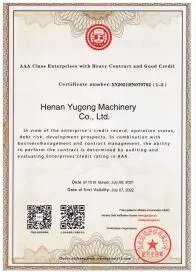
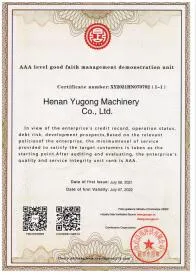
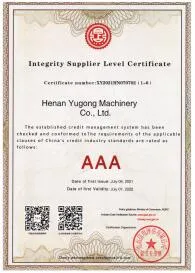
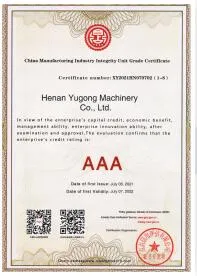
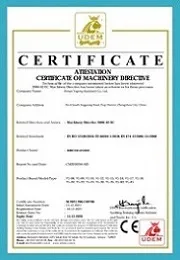
Certificate